DD
MM
YYYY

PAGES

DD
MM
YYYY

spot_img

PAGES

Home Blog Page 6603

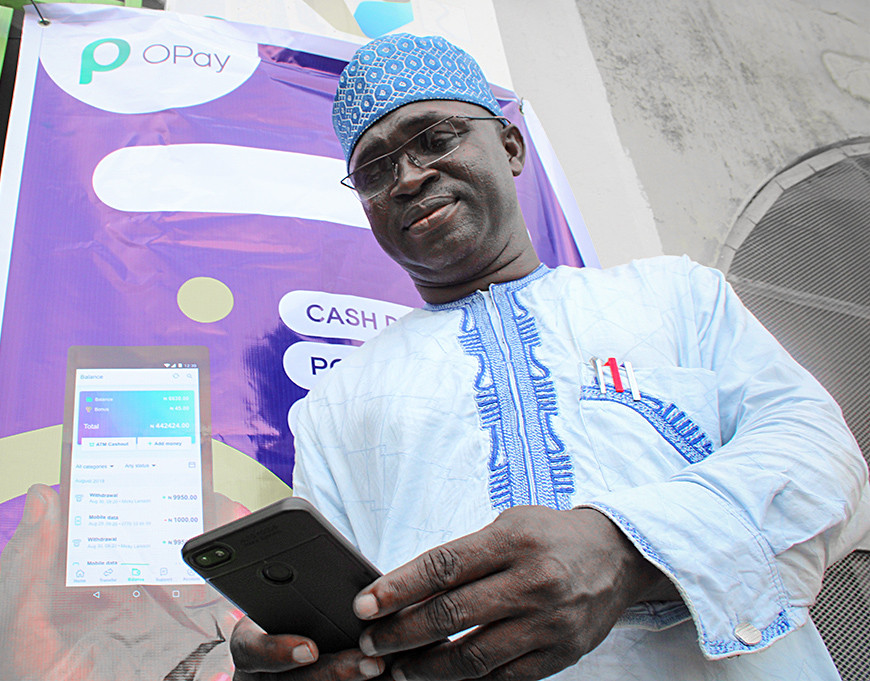
OPay Takes OTrike To Enugu

0

Opera Payment Transport System (Opay) continues to expand its transportation innovation across Nigeria. In Enugu, it has introduced an on-demand e-hailing tricycle service called OTrike. Following the pattern of other e-haling services, you can book a tricycle at the comfort of your home at affordable fare rate.

The introduction of this service came with an enticement of N100 per trip for the month of October, no matter where in the town you are going.

It’s a change in the system that tricycle operators in the state have welcomed with open arms and riders too found a sense of relief in the development.

Commenting on the launch of OTrike in the state, the Chairman, Enugu State Tricycle Riders Association, Mr. Benjamin Ikah, applauded the initiative but noted that the state government has introduced security numbers for tricycle operators in the state.

He said the recent introduction of security numbers has come as a way to minimize the tendency of crime, since it identifies riders and holds them accountable for their actions. He therefore urged those enrolled into the Opay-OTrike system to go any unit of Keke riders in the state to obtain their numbers.

“So we want every tricycle rider to go and get his own security number before the enforcement, which will result in impounding of tricycles at the end of three months,” he said.

The Permanent Secretary of the Enugu State Ministry of Transport, Mr. Ogbonna Idike, who graced the occasion of the launch, also praised Opay for transforming Keke riding services into a dignifying service in the state.

He noted that OTrike will provide a practical alternative to many graduates who have no jobs. He said the launch of OTrike is therefore seen as youth empowerment and job creation by the state government.

Saudi Aramco Is Worth $2 Trillion! – Hello NNPC Plc

4

Saudi Arabia’s Aramco, the world’s largest oil producer, will start trading in Saudi Arabia on December 11, according to the state broadcaster Al Arabiya. Aramco, valued at $2 trillion, plans to raise $100 billion through its offer of a 5% stake.

It aims to raise up to $100 billion from the IPO of a five percent stake of the company, based on a $2 trillion valuation. This valuation could make it the most valuable company in the world. This valuation would put Aramco at a staggering 400 percent greater than the current largest IPO of Ali Baba, which happened in 2014.

In September, Public Investment Fund (PIF) Governor and Aramco Chairman Yassir al-Rumayyan had said that the IPO would not be delayed and could occur anytime within the next 12 months.

The purpose of the IPO is to put Saudi Arabia on the fast track to diversifying its economy away from oil and transforming key sectors including mining, healthcare, and tourism in line with Vision 2030.

“If Aramco is not put for IPO, it means it will take us 40-50 years to develop the mining sector. It will take us 40 years until we develop the local product and it will take us long years to develop logistical services, just like we wasted 40 years in the past while trying to develop these sectors,” Crown Prince Mohammed bin Salman said in an interview broadcast on Al Arabiya back in 2017

Can Nigeria try this playbook to boost transparency in the energy sector? That will not happen because NNPC has no quantifiable value since NNPC is Nigeria! This was my conclusion when I tried to examine NNPC Plc: ‘That is the most unfortunate thing about Nigeria, and the reason why NNPC Staff, the Labour Union and students will say “HELL NO, DO NOT DO IT”’. Yet, there are many benefits for taking NNPC public. Some are:

  • Governance: Taking NNPC public will improve its governance especially if it is listed in a foreign exchange like London Stock Exchange and New York Exchange besides Nigerian Stock Exchange. That improved governance will help its impacts to the Nigerian people. I do think it will return higher value to Nigerians compared to what we get today. But there is risk: you do not want excessive market activism on a national corporation.

  • Liquidity in NSE: The Nigerian Stock Exchange will benefit with a listed NNPC. It will bring liquidity in the exchange. I promise you that NNPC Plc will bring many Nigerian retail investors back to the bourse.

  • Human Welfare: Through better governance and transparency, Nigerians will win through improved human welfare: yes, more money will be remitted and paid to the Nigerian people, on time.

  • Financials: The NNPC financial management will have higher discipline with severe implications, as deviating from standards can be considered a financial crime.

  • Capital Funding: NNPC and Nigeria will likely raise billions of dollars which can go a long way to finance important capital projects. An IPO by NNPC will bring liquidity to modernize our infrastructure. It will be a great moment in our history if the leadership utilizes the money well.

  • Profit-Center: In markets, NNPC will be managed as a profit-center where the leadership will be tasked to run it efficiently so that Nigeria and the investors will make money. Today, it is largely a cost-center with no meaningful balance sheet.

  • Investors Win: I do not have the total reserves of NNPC and the correct books to calculate how much profit it could make in a year, but I know that we could be looking in billions of dollars. Also, we need to know the present revenue and cost elements to model the profits.  But no matter what, NNPC makes money and investors will see glory. If they do not presently make money, no one will be talking of missed remittance into the Federation Account.

Of course, there are grave risks for trying just that for Nigeria as I noted. Saudi Arabia may be executing a game plan; it could be a great exit before that future of constrained oil arrives.  Just today, we are learning that weak oil prices have hit BP’s profits. Weather has also contributed to the lower profit, delivering a double whammy. BP reported a 41% drop in Q3 net profits.

NNPC Plc – Nigeria Should Take NNPC Public To Boost Transparency

How Investigative Journalists and Informants Could Be Protected

0

There’s this news on Sahara Reporters of 27 October, 2019, about one Mr. Afiz Jamiu, who claims that he is threatened by the Department of State Services (DSS) because he revealed to one of the national dailies that one Mr. Abdullahi Ahmadu has been in DSS detention since 2013 without trial and access to his lawyer and relatives. According to Mr. Jamiu, he was able to find out about this unlawful detention because he shared the same cell with Ahmadu when he (Mr. Jamiu) was in DSS custody.

This claim sounds similar to that of Mr. Fisayo Soyombo, who now claims to have gone into hiding because, according to Sahara Reporter of October 22, 2019, “Nigerian security operatives hunt for him”. This “hunt” was declared (if it is so, anyway) because Mr. Soyombo exposed the corrupt practices that exist in Nigerian judicial and executive arms. He gathered this knowledge when spent two weeks as a detainee – five days in a police cell and eight days as in inmate in a Nigerian prison. Unknown to his detainers, Mr. Soyombo is an investigative reporter, who sorts to have a firsthand experience of the corrupt practices that exist in “Nigeria’s criminal justice system,” (Sahara Reporters). 

The ‘bomb’ he released is now asking for his head on a ‘tray’ (I’ve never seen a platter in Naija, so tray is where his head will be displayed). It is believed that whenever Fisayo is caught, he will be tried by whatever, whatever law that is found in Nigerian Correctional Service Act (kindly search for and read up the post on this).

Another claim that isn’t so far from this type is from Kiki Mordi, the undercover journalist that raised the ‘Sex-for-Grade’ dusts some weeks ago. She claimed to have received “subtle” threats since she featured in the documentary. She, however, claimed to have trust in the BBC to protect her. Well, several people have told her not to put all her trust in BBC because they didn’t protect Late Ahmed Hussein-Sule, a Ghanaian investigative reporter who collaborated with the BBC to reveal the rate of corruption among Ghanaian top government officials and other crimes in his country.

I know that attempts to ‘silence’ investigative journalism exist in every country of the world, but it seems Nigeria hasn’t really done much to stop that. Truth is that investigative journalism is very necessary because it is one aspect of journalism that corrupt officials are truly afraid of. But I believe there are other ways through which this job could be done without the undercover journalists being put in danger.

My Suggestions

  1. Hidden Identity

The more I think about these reporters, the more I wonder at their reasons for being exposed. I mean, does it mean they take joy being known for doing such risky jobs? Isn’t it possible that they can reveal these secrets without their identity being revealed? I believe they have lots of lessons to learn from the undercover agents who work as intelligence officers. This group of people (the intelligence officers) live and work in different sectors of the economy as they carry out their investigative roles. They make no noise and they seek for no glory in their work. They have one goal in mind – to get the job done.

Maybe these investigative reporters should keep their vanity aside and think of their security and that of their loved ones. They should focus more on doing their jobs and not creating many followers, because most of their followers may not be their fans but their predators.

If their employers are the ones that insist that their identity be revealed (obviously to avoid lawsuits), then they (the reporters) should consider working with other media houses that will protect them, or look for other subtle ways to reveal their information. There is no need for exposing themselves to danger – even their employers and numerous ‘fans’ won’t protect them.

  1. Responsibility of Media Houses

I believe it is wrong for media houses to reveal the identity of their undercover reporters. Now, let’s look at this. What is the essence of being an undercover agent when the world knows you already? How can you go back into investigative journalism when the ‘harm’ you caused has been tagged on you?

I don’t really know if I’m making any sense here, but I believe the careers of these revealed undercover reporters have been ruined – at least to a large extent. Unless these people go for serious plastic surgery that will change all their physical features, they are stuck with ‘normal’ news reporting, where they may have to run after events. Besides, they are going to face hostilities from their respondents because people will be wary of them. In other words, the reports they will gather may not be authentic because it is possible that their respondents may ‘doctor’ what they reveal to them.

So, I’ll suggest that media houses – in whatever form they come – should open columns and programmes for anonymous investigative reports. The only thing I will say is that they should make sure that these reports have enough evidence to prove them correct so that they can avoid facing some legal music and dance.

  1. Constitutional Backing

This one may not really hold water because if the interpreters of the law are themselves the law breakers, I don’t know how this will work out. But it is worth a try. So, let Naija enact a law that will protect these journalists – I mean investigative reporters. I don’t know if a law like this already exists, but it should be reviewed and necessary additions and subtractions done to it. For example, there should be a law that demands that every media house puts something in place to protect their reporters from harm. There should also be laws that will ban reporters using their names in publishing high-risk information (whether the name is real or not, it is still a name).

I know some people will say that some of these reporters enjoy the ‘adventure’ that comes from the risk of being revealed to the world as undercover agents that dealt the massive blow, I still want to state it here that these reporters aren’t the only ones facing the risk. Most of their close relatives that have no ‘hand’ in the investigation are also affected. For that, there is a need to protect these reporters, whether they like it or not.

The GTBank’s Gift to Students

0

A student once narrated how he was counting on the last N1000 in his account to survive the weekend at school. He got to the ATM to discover that about N200 has been taken from the money for transaction charges, and that proved to be one of the longest weekends he’s ever had at school. Unfortunately, it’s an experience that so many other students can relate with. But that’s about to be changed, there is good news.

The Guaranty Trust Bank (GTB), is changing the story of multiple transactional charges that Nigerian banks are known for. With its GTCRea8 Account, GTB is offering students a waiver in the cost of banking services.

The bank has removed all charges for undergraduates between the ages of 16 and 25 using its GTCRea8 Account. This is part of the bank’s commitment to support academic pursuit of young people, which has been displayed through other offers like the Education Support Grants, digital training, masterclasses etc. all powered by the academic oriented GTCReat8 Account.

In the latest development, account holders who are within the age range have had their transactional charges forgiven. Bank transfer charges, transaction notification charges and every other inter-bank related charges. Undergraduates have also been excluded from charges emanating from 737 transactions.

There is also relatable discount for other services obtainable on GTB’s platforms, like music and video streaming through Habiri, shopping, bill payment, messaging etc.

The gesture has attracted encomiums from many, especially students who have had to deal with the painful experiences of having their funds taken by the banks in the name of transaction charges.

Segun Agbaje, GTBank’s CEO said the bank has for long found delight in making life easy for young people, especially graduates.

“Empowering young people in every way we can is the most valuable investment that we can make for the future. That is why we have taken the bold step to cover the cost of all their banking charges, not just to allow them to the bank for free, but also to inspire them to imagine a world free of all limits to their ambitions, and in which they can achieve their greatest dreams,” he said.

Other banks have been urged to emulate the example set by the Guaranty Trust Bank in easing the burden of Nigerian students. One of the major challenges the students face has been fund and the banks helping them to manage the little they have, by quashing the transaction charges as part of their Corporate Social Responsibility, will bring the students a sense of relief.


The press release

GTBank removes all Bank Charges for Young Undergraduates on its GTCRea8 Account Product

If you are an undergraduate, between the ages of 16-25, then you can now bank for free with Guaranty Trust Bank (GTBank). The leading, youth-focused, financial institution has announced that it will cover all charges on transfers, USSD transactions and bank alerts for holders of its GTCrea8 Account, a bespoke banking product for young undergraduates between the ages of 16-25.

GTCRea8 has been a core part of the GTBank’s value proposition to deliver value adding banking services to young people whilst empowering them to pursue excellence in their academics and respective interests. Over the years, tens of thousands of university undergraduates have benefited from GTCrea8 concerts, masterclasses, digital trainings, Education Support Grants, and several other initiatives championed by the bank to ensure students have a more rewarding campus experience. Now, millions of students across the country will be able to bank for free following the Bank’s commitment to cover the cost of all banking charges for GTCrea8 account holders. 

Some of the bank charges that GTCrea8 account holders will no longer have to pay include charges on bank transfers, even when the transfer is to other banks. Undergraduates will also not be charged for using 737, the bank’s industry-leading USSD service, nor will students be charged for transaction alerts received whether via SMS or email. GTCrea8 account holders will also enjoy special offers and discounts when they make use of GTBank’s trendsetting digital platforms, such as Habari, which offers access to music and video streaming, shopping, messaging, and bills payment all in one place. 

Commenting on the Bank’s removal of bank charges for young undergraduates, the Chief Executive Officer of Guaranty Trust Bank, Segun Agbaje said, “Empowering young people in every way we can is the most valuable investment that we can make for the future. That is why we have taken this bold step to cover the cost of all their banking charges, not just to allow them to bank for free, but also to inspire them to imagine a world free of all limits to their ambitions, and in which they can achieve their greatest dreams.”

He further stated that “At GTBank, we will continue to find innovative ways and create new initiatives to give young people all the motivation, support and platform that they need to thrive. This is the reason we have made banking free for young undergraduates, and it is also the reason we are organizing the GTBank Fashion Weekend, the biggest fashion event in Africa, on November 9-10, 2019 to champion the talent, creativity and endeavours of our young entrepreneurs.” 

Guaranty Trust Bank plc has been at the forefront of supporting education for all and champions several initiatives that provide undergraduates with various avenues to learn, interact and have fun while in school. The Bank is also regarded by industry watchers as one of the best run financial institutions across its subsidiary countries and serves as a role model within the financial service industry due to its bias for world class corporate governance standards, excellent service quality and innovation.

Uber Goes Big on Fintech in Nigeria

0

From Mastercard data, out of $301 billion consumer transactions in Nigeria, about 98% were done with cash as at 2018. Simply, digitizing financial services is the gold rush as we enter a decade of application utility in Nigeria. That is why fintech is hot in Nigeria, and investors are deploying capital in the sector. If you win, glory awaits, massively.

That would take you to the primary source, Mastercard.com, where it notes “According to research done by The Fletcher School and Mastercard Center for Inclusive Growth, of the $301 billion of funds flows from consumers to businesses in Nigeria, 98 percent is still based on cash.”

When OPay executed a massive unification with OBus, ORide, etc, all linked to a payment system, a double play strategy was made evident. Other companies are learning fast, and Uber is in the game; “Uber Money provides financial products that help you access, manage, and grow your money, putting opportunities you want within reach”.

Uber Nigeria has the following products:

  • Uber Debit Card: Access earnings after every trip, and grow your money with real-time cash-back savings.