The Head of Nigeria’s tax agency has spoken: online 5% VAT is coming next year. The Federal Inland Revenue Service (FIRS) Chairman, Tunde Fowler, was clear, “We are thinking that maybe early next year, we will advise banks to start deducting five percent VAT for all online purchases done locally.” Forget that “maybe”, this is a concluded matter; banks will hit you 5% for any transaction processed online via your Nigeria-issued debit/credit card.
“With the existing laws in Nigeria, we can appoint the banks as agents. First of all, all those who make payments for purchases online using bank cards and instruct their bankers to pay, we will tell the banks that, going forward, everyone who gives instructions for service for purchase online, they should deduct five per cent VAT,” he said.
“We are thinking that maybe early next year, we will advise banks to start deducting five percent VAT for all online purchases done locally,” he added.
This is good for Nigeria but would be challenging for digital companies and online-anchored fintech companies. People, why pay 5% more online when open markets (Alaba, Ariara, Kano) sell without collecting VAT from customers. Simply, 5% more will be a privilege to buy online in Nigeria!
But Nigeria needs this money, and we cannot afford the American experiment where they tactically “waived” collection of taxes by ecommerce companies like Amazon to help the then-nascent sector blossom. By not requiring them to collect sales taxes, buying online became artificially cheaper when compared with brick-and-mortar (physical) stores.
See it this way: if you shop in Best Buy, an electronic store chain, for a $1,000 laptop, you will be expected to pay extra $80 as sales tax in some states with 8% sales tax. But buying from Amazon, that tax is not collected and you just pay $1,000 for the same product. With Amazon free shipping and next day delivery, you have saved $80.
Due to this, physical stores evolved into showrooms to many Americans. Yes, visit them to see the items and then buy online to save taxes. Of course, governments expect you to declare and pay that tax when filing your annual tax returns. Unfortunately, few people do that. As the online redesign accelerated, many physical stores started collapsing in America because they could not compete on price!
But U.S was fine until they got ecommerce to the level they needed.Today, that regulation has been updated and Amazon now collects sales taxes for governments in most jurisdictions.
Between the growth of the digital economy and more tax revenue, Nigeria is going for more money right away. The ecommerce market will shrink marginally once this is implemented. Most smaller ecommerce players will collapse because if you have money in Nigeria, the problem is never where to shop; paying extra 5% to wait may not work for many people!
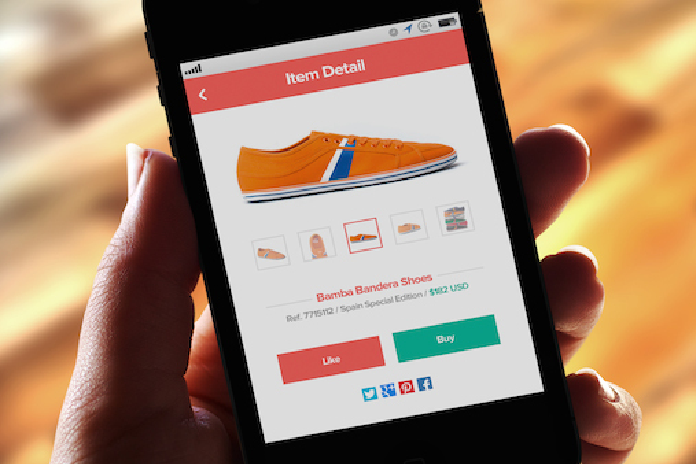
The ecommerce sector will experience a minor slowdown as government begins implementing automatic and direct collection of VAT on online transactions in Nigeria. See it this way: if a physical open market sells electric iron for N8,000 and Jumia sells the same for N8,000, because Jumia’s customer will be required to pay VAT (5% of cost), the price will jump to N8,400. This extra N400 for online purchase will inflate the price against the open market which typically does not collect VAT. (In U.S., the reverse was the case: ecommerce firms were originally not required to collect taxes unlike physical stores even though the ecommerce companies expect customers to self-report during tax filing. The non collection of online taxes helped Amazon significantly when it started.)
Simply, ecommerce firms will lose many price sensitive customers, and some online payment fintechs may have to be concerned also. But Nigeria needs this, as a poor nation, and we cannot allow the privileged few to shop untaxed! I do not care about the sector-growth: whether it is online or offline, it is all commerce. We just have to grow while paying the taxes required to power Nigeria.