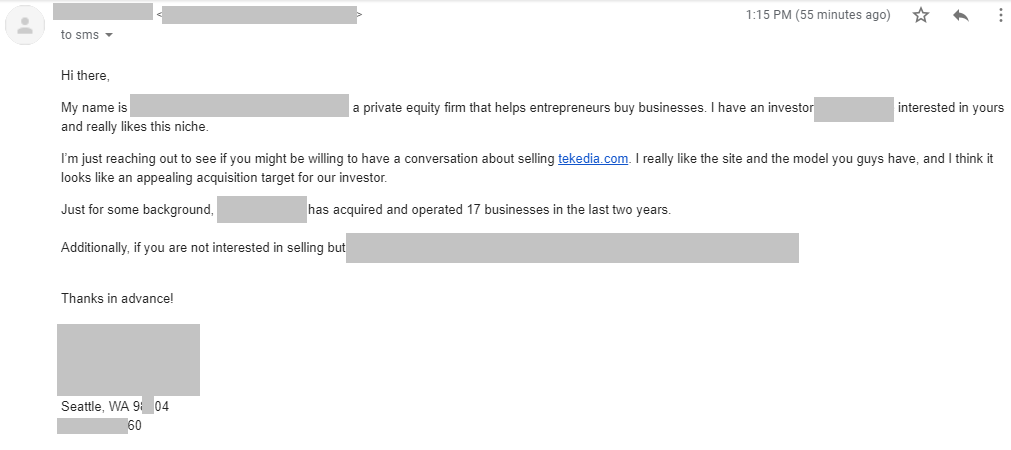
Do we sell Tekedia? They have been proposing really good numbers which can help anyone interested in a chieftaincy title to take one. I have no interest in selling my blog to any investor. But I want to challenge all the young people here: everything in this world is money, if you do it well.
For a blog, you just need to have a process, to respect the readers by showing consistency. Do not be lazy where you post today and then next week you lazily post again. While LinkedIn and Medium are great, the fact is this: you cannot turn them into assets that people can buy into and invest. Branding is strategic and critical.
I started writing about 24 months ago at scale, and over that time, have enabled a decent community that I could exit comfortably. But selling is not an option as they would probably not allow me to write again!
As usual, we have told them “No Interested”. But you may write to say “I am interested to sell”. Pursue anything you do with energy and commitment, and see how all connects into your mission. Do not come here wasting time; make it a useful moment.
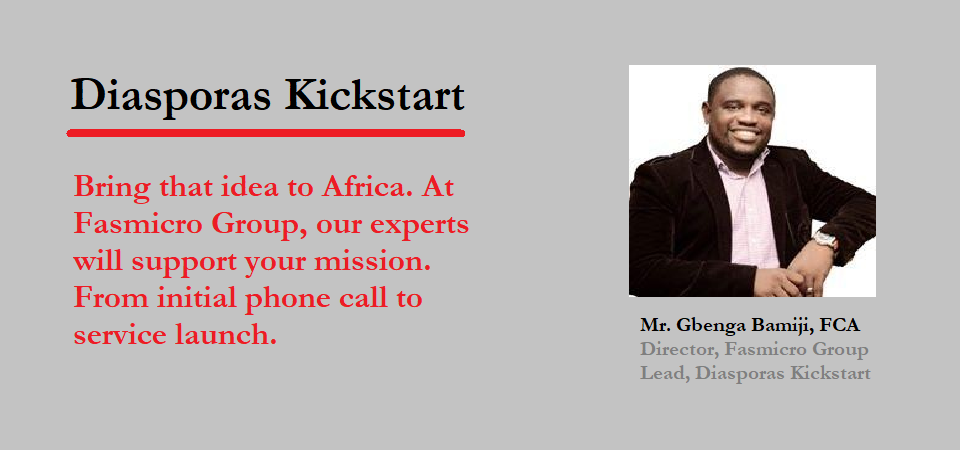
If you are an African Diaspora living or working anywhere on earth, and planning to start a business or even invest at home, and somehow not sure how to begin, we will like to help. My colleague, Mr. Gbenga Bamiji, FCA, a Director in our business, will be happy to speak with you.
Mr. Bamiji is a Fellow of Chartered Accountants of Nigeria and leads our Diasporas Kickstart unit which helps us work with diasporas to establish ventures at home. We begin that process from a phone call, through a roadmap, to product launch. Where a technology needs to be built, our engineers will build the portals, releasing the IPs to you, and making sure you get started. More so, we provide supports on those early contacts. You will get access to a team member that will guide you, on hiring, etc.
As we do that, we stay invisible to help you take your moments.
Diasporas Kickstart does not raise fund for people; we focus on diasporas with some money looking for opportunities back home. Most times, you already have ideas; our job is to make those happen. If interested, Mr. Bamiji will like to speak with you. Of course, I am here and will be happy to understand the friction you want to address in the beautiful continent. We understand this continent at deeper level, and will be your partner, if you choose to work with us. Our capabilities cut across many domains. We are Africa-enabled.
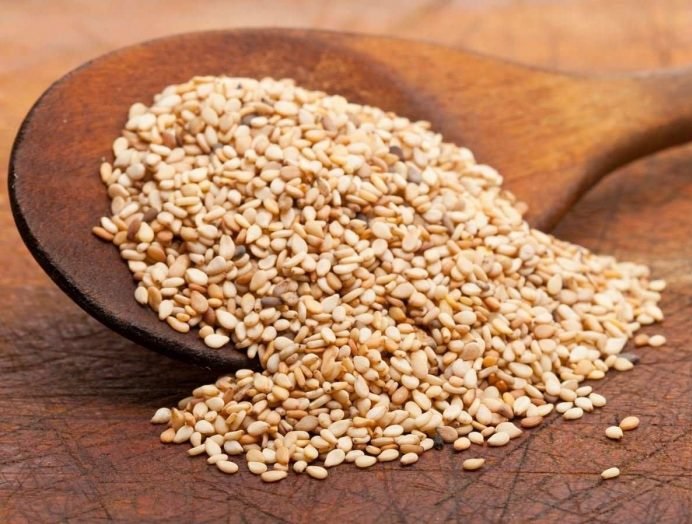
Before venturing into Sesame seed farming especially as an economic activity, it is necessary to understand the value and statistics of this agricultural activity. The sesame seeds are mostly produced primary as a source of cooking oil. Sesame seeds are also roasted and taken solely, or mixed with groundnuts as a snack. The young leaves of sesame may be eaten in stews and its dried stem used as an ingredient in soap making.
Commercial, Sesame is used in a number of forms. It can be directly processing it into oil; used in pastes, meals, confectionery and bakery products; used as a good source of protein for animal feeds; its press is used for food enrichment of infant weaning; it is also used for medicinal purposes such as treatment of ulcers and burns.
Sesame is ranked second in terms of economic value in Nigeria with Cocoa being first. There are major companies that buy the harvested sesame seeds and export them. However, even with this being the case, the market is still predominantly traded by middlemen who tour the rural areas buying from the farmers. Sesame is then transported from the rural areas to towns; bulked up in stores and sold to agents of the major exporters.
Profitability is the end goal for any farmer looking at sesame farming as an economic activity. As a farmer, you have to ensure that you farm efficiently covering all direct and indirect costs and leaving a significant margin for profit. Entering the sesame farming is good enough but successfully remaining in the industry for long is even better.
Even with the demand of sesame increasing each year, farmers are still not fully reaping the benefits of their farming. Intermediaries eat a big chunk of the profit that is meant to be going to the farmers. To counter this, most countries are forming organizations and cooperatives to protect the interest of the farmers by helping them maximize profit and minimize costs.
Like any business, it is therefore crucial for you who is looking to join the farming industry for the long run, it is important to take account of all the fixed and variable costs that you will incur. This will help you determine the best prices for your produce that will meet your cost and leave a profit margin.
Death is inevitable, but it is always disheartening when a person killed himself or another person. Suicide occurs every day throughout the world, affecting the rich and the poor. From developed to developing countries, suicide rates are incredibly diverse with many reasons adduced for it. Six months to the end of this year, available statistics have shown that Lithuania, Russia, Guyana and South Korea have recorded significant numbers of suicide cases. In the Eastern Europe, Belarus, Suriname and Kazakhstan are leading the race. While the narrative on suicide rages on in those countries and others, suicide has been reported to be almost unheard of in Bahamas, Jamaica, Grenada, Barbados, Antigua and Barbuda.
In Africa, the story is not quite different as countries on the continent have their share of the global percent of suicide rates. Though, getting data on cases such as suicide incidents are difficult, the recent reports have further emphasised that suicide is real. For 2019, Nigeria is expected to have 9.5 of its 100,000 people committing suicide, while it would 11.6 in South Africa. Existing data also indicate that Ghana, Egypt and Kenya will have 5.4, 4 and 3.2 of 100,000 people committing suicide respectively.
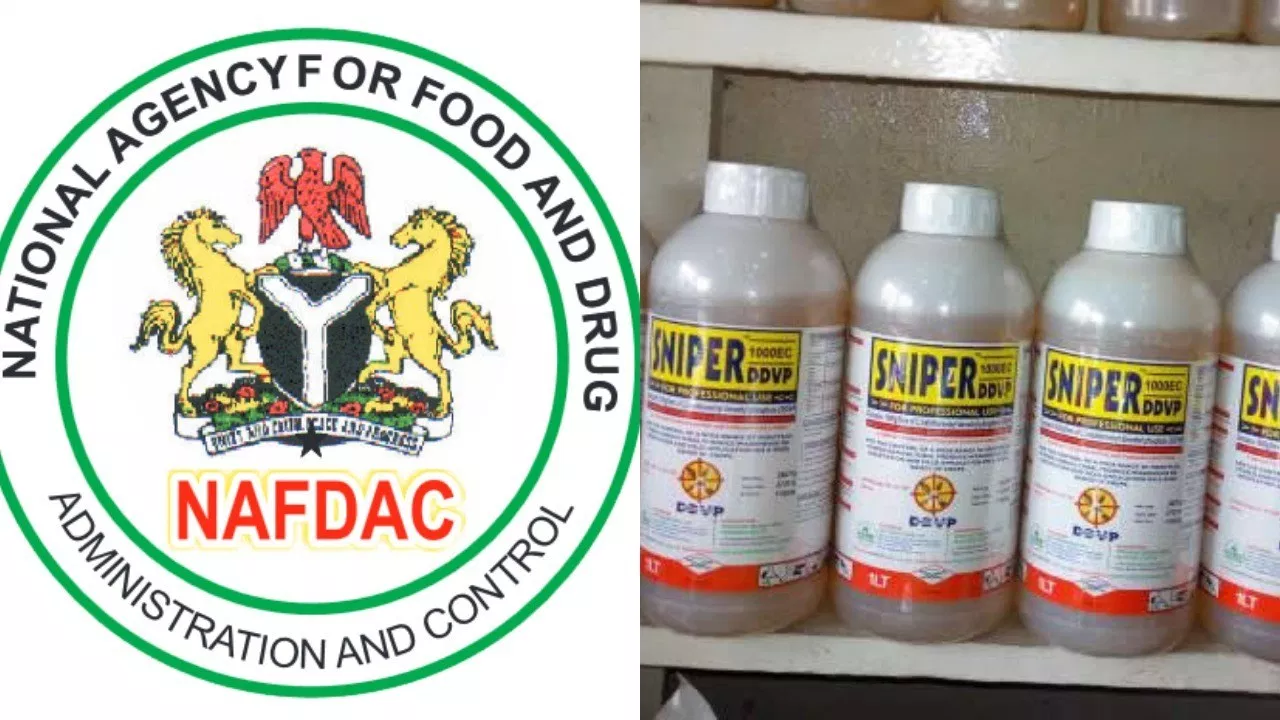
Like other continents, suicide is considered a masculine behaviour, affecting mainly young males in recent years. For this year, 9.9 of the 100,000 expected to commit the offence are projected to be males, while females would be 9.2. In South Africa, it is 18.7 of the males and 4.7 for the females. When suicide cases occurred, hanging, poisoning, diving into rivers and the use of firearm have been recorded as preferred methods. However, the recent incidents where Sniper and Hypo were used have added a new narrative to the methods being used. The narrative has been both counter-narrative and alternative narrative. Some Nigerians believe that banning the two brands would reduce the rate of suicide in the country. To the public analysts and social workers, banning the brands is not the right solution to the problem.
Nigeria bans Sniper
Beyond the materials being used to commit the offence, governments, concerned stakeholders and individuals need to collaborate on developing workable plans towards addressing various socioeconomic challenges in the country. This articles leverage soft and hard data to understand specific trends shaping the suicide rates in Nigeria.
In Search of Happiness, Life Expectancy, Information about Suicide
Being happy and live long are the two things everyone wants. When the first one becomes elusive, depression begins, which has been discovered to be one of the factors contributing to suicide incidents. Having the second depends on the number of years God has recorded for individuals to spend on earth. Apart from this, the presence of the right facilities, especially medical ones, could increase people’s livability.
From 2015 to 2019 Nigeria’s average life expectancy has been 53.9 years, while global happiness ranking is 90.4. The lowest life expectancy and high score on the happiness ranking are pointers that Nigerians will not hesitate to seek for information on how to better their life. While doing this, attention could be shifted significantly to understanding happiness and life expectancy in the country in relation with other countries.
As the media continue reporting suicide cases across the country, from January to June, 2019, analysis indicates that people in Taraba, Akwa Ibom, Borno, Katsina and Plateau have sought knowledge about happiness than any other state in the country, using the Internet. Osun, Enugu, Oyo, Edo and Lagos states, including Abuja are the places where people have searched about life expectancy, with a view of knowing the reasons behind the country’s status in the world and how governments could address the socioeconomic problems contributing to the decline life expectancy rate (in age). Data indicate that people in Bayelsa state only interested in understanding suicide. This could be linked to the high suicide cases reported in the south region of the country recently.
The search interests provide new data for understanding the suicide rates in the country. Leveraging this, analysis indicates that people’s interest about happiness from January to June, 2019 connects with the country’s 4 years and less than 5 months happiness ranking by 52.5%. The result is alarming, when the trending life expectancy was analysed along with the life expectancy. The trends and the real life expectancy in terms of age resonate by 68.7%. These insights have shown that people will continue to understand and seek for knowledge on the two issues based on the earlier information had through global and national reports.
Analysis further shows that a one percent increase in the people’s interest about suicide decreases interest about happiness by 0.8%. This is quite different for the life expectancy. Analysis reveals that one percent interest in understanding suicide increases interest about life expectancy by 1.7%. These results have established that when people do not possess what they want in life, suicide could be seen as an alternative. On the other hand, understanding the consequences of committing suicide and seeing governments’ efforts towards better living conditions could prevent people from committing suicide.
Key Forces Shaping the Trends
The key tool to achieving happiness and live long (as God wishes) is for people to meet and solve common needs and problems during specific periods. This cannot be attained absolutely without recourse to the right value system. To achieve the desired results, each one must be ready to participate actively and generously. Nigeria is a country with a lot of challenges that need collective solution mechanisms. However, the relationship between governments and citizens seem complex. Among the people, fostering strong relationships could be difficult when socioeconomic status becomes a key factor in initiating and building the relationships. In these situations, addressing social and economic problems leading to suicide would be difficult.
Using Nigeria’s national value scores, analysis reveals that people’s interest in knowing suicide links with the scores by 58%, while the interest about life expectancy connects with the scores by 28%. Over 33% of the interest about suicide was as a result of the scores, while 7.8% was recorded for the interest about life expectancy. Considering the interest about the life expectancy and the yearly status, analysis establishes that the scores facilitated the interest by 31.3%, while the yearly status connects with the scores by 56%.
What is at Stake?
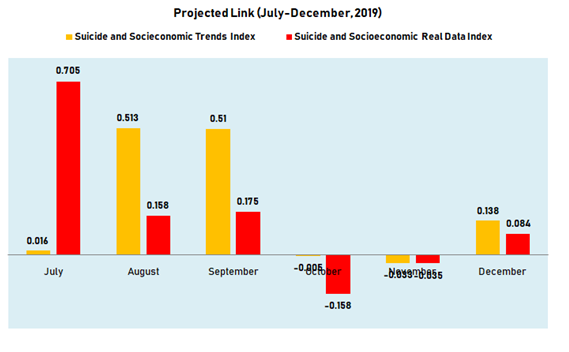
From the data and further analysis, it is clear that both the trends and real data need to be used by the governments and other stakeholders to tame the suicide rates in the country. The linkage between the interest in understanding happiness and life expectancy with interest about suicide will continue in the next three months. It will dip in October and November and expect to increase in December, 2019. There is no doubt, suicide is not seen by governments as a public health problem which needs a national prevention strategy. Nigeria needs the strategy. The strategy must holistically address issues associated with older age, not married, low occupational group, depression, anxiety, somatic symptoms and disability.
The U.S. tech firms innovate at scale, now legally. Yes, they have figured out how to do business with Huawei, the Chinese company which was largely banned by the U.S. government. Intel, Micron, and others are shipping to Huawei. The fact is this: some U.S. tech IPs are held in tax-havens outside U.S. They can call those entities non-U.S. entities and legally do business with Huawei. Yes, they have thrown the laws back to the U.S. government – and saying, if you think I am breaking the law, sue me, and I will explain while this Irish company that holds our IP should not comply with the U.S. ban.
U.S. tech firms, such as chipmakers Micron and Intel, have decided there are legal ways to continue supplying Huawei, to an extent, despite the American blacklisting of the Chinese telecoms giant. The loophole? The U.S.-headquartered companies are able to classify their technology as foreign, thanks to their overseas subsidiaries and operations (Fortune)
Now, the U.S. government will have to sue Intel Ireland, not Intel Corp. since some of these subsidiaries are structured in ways that give them “loose” legal separations even though financially they are entwined. Provided Intel Ireland is complying with Irish laws, they have openings to work with Huawei while complying with the general U.S. Export Control rules. These companies are very confident as some have even started shipping to Huawei without clearance from U.S. firm.
American technology companies have resumed selling certain products to Huawei Technologies Co. after concluding there are legal ways to work with the Chinese telecom giant in spite of its inclusion on a Trump Administration blacklist.
Micron Technology Inc., the largest U.S. maker of computer memory chips, said on Tuesday that it had started shipping some components to Huawei after its lawyers studied export restrictions. Intel Corp., the largest microprocessor maker, has also begun selling to Huawei again, according to a person familiar with the matter. It’s not clear how many other suppliers have reached the same conclusion.
The lesson is this: when you make rules, typically by say 10-15 people, expect a factor of 10 lawyers figuring out how to get around the rules. It seems the brilliant American lawyers have figured out Trump Administration ban on some Chinese companies. You cannot stand between American companies and more U.S. dollars.