DD
MM
YYYY

PAGES

DD
MM
YYYY

spot_img

PAGES

Home Blog Page 6873

Huawei Goes with Double Play Strategy, Asks US Firms to Begin Paying Patent Royalties

0

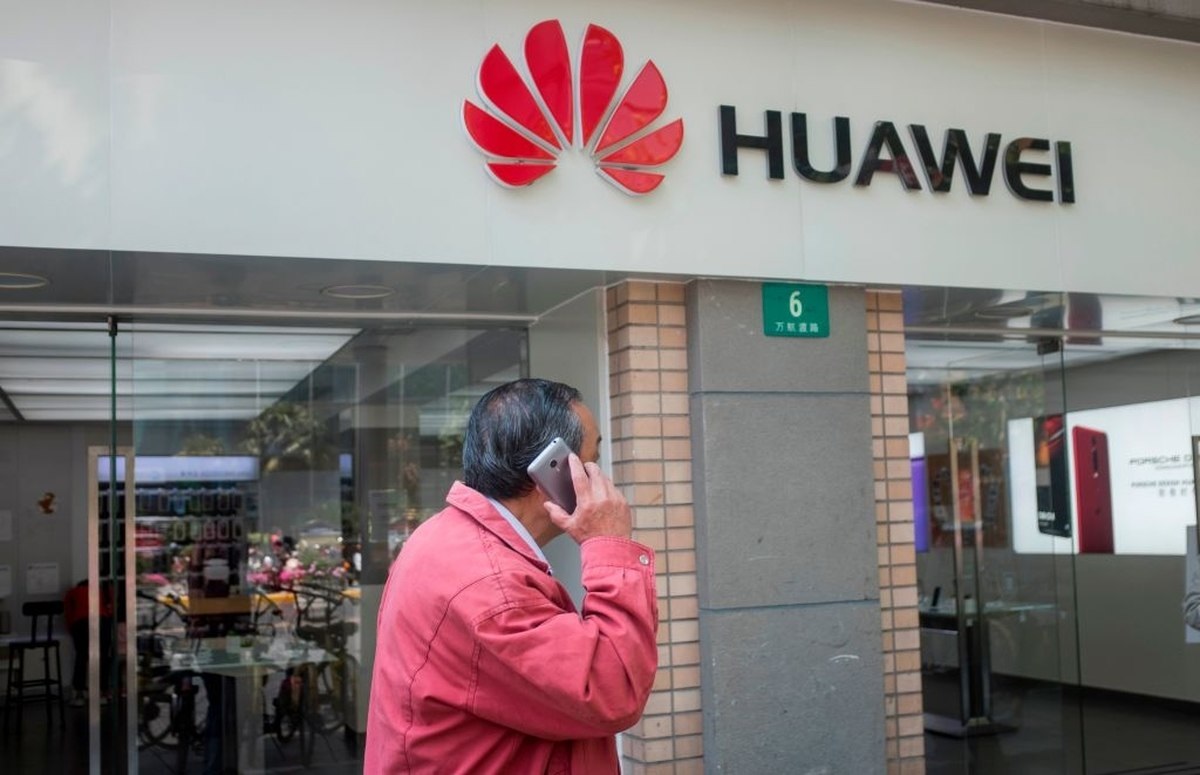
Huawei had estimated that it would lose about $30 billion internationally as a result of the bans in U.S. But it seems the company will cover a good part of that money by asking American companies which license its patents to pay more royalties, CNBC reports; Verizon, a leading telco, could be owing $1 billion.  Of course, doing that could be seen as using “monopoly” power [think Apple and Qualcomm legal case], but I am not sure who will make that call right now: ‘CEO Ren Zhengfei says he “may try to get some money” from firms using the company’s intellectual property’..

Huawei may demand more royalties from U.S. firms for technology they’re using that’s been patented by the Chinese telecom giant, experts say, as the beleaguered firm looks to fight back against continued pressure from Washington.

It would mark a big shift in strategy for Huawei, which typically is not seen as especially litigious in terms of intellectual property rights (IPR), even though it holds some crucial patents that underpin the world of telecommunication.

Last week, Reuters reported that Huawei had asked Verizon to pay $1 billion in royalties for more than 230 of Huawei’s patents. The Wall Street Journal reported that the patents related to Huawei range from core network equipment to so-called internet of things technology — defined as physical devices that are linked to one another over the internet. The Verizon case is not a legal case at the moment.

According to WIPO, Huawei filed most patents in 2018 in the world. Huawei filed 5,405 patents, Mitsubishi came second at 2,812 with Intel third at 2,499. CNBC reports that “Huawei owns the highest number of so-called “standard essential patents” for 5G in the world”. Unless the U.S. Congress updates its laws, Huawei can use U.S. Courts to pursue its claims.

China-based telecoms giant Huawei Technologies, with a record number of 5,405 published PCT applications, was the top corporate filer in 2018. It was followed by Mitsubishi Electric Corp. of Japan (2,812), Intel Corp. of the U.S. (2,499), Qualcomm Inc. of the U.S. (2,404) and ZTE Corp. of China (2,080). ZTE Corp., which was the top applicant in 2016, saw a 29.8% drop in the number of published PCT filings in 2018, its second straight year of declines. The top 10 applicant list comprises six companies from Asia, two from Europe and two from the U.S.

If you check clearly, this is double play strategy.
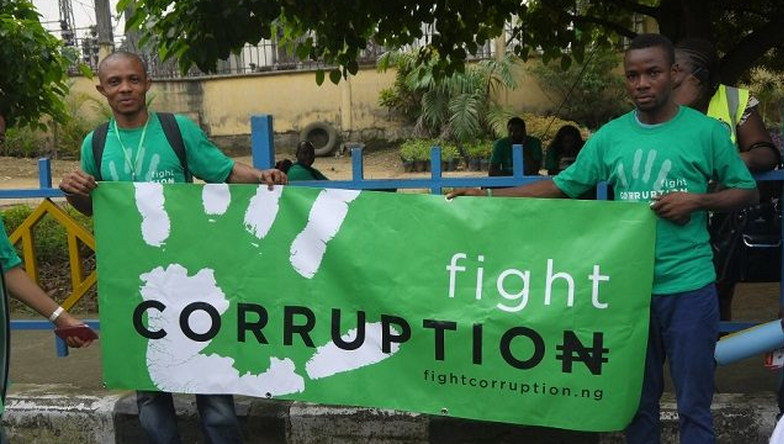
How Foreign Aid Shapes Media Coverage and Eventual Nigeria Ranking on Corruption

0

By Mutiu Iyanda

 From the north to the south, professionals, public analysts and government officials have accused leaders in the south for not delivering good governance to the people even though good governance is entrenched in the constitutions of most countries comprising the global south.   Ensuring good governance in the south, governments and philanthropists in the global north believe that independent media and freedom of the press must be deep-rooted in the region. Over the last three decades, this notion among others, have been the factors for the flow of aid to the region with a view of removing obstacles such as low professional journalistic standards, funds paucity, weak technical skills and legal frameworks preventing independent media from reporting corruption, crimes among other sensitive socioeconomic and political issues.

From the United States government, the European Union, USAID to the Japanese government through Japan’s International Cooperation Agency, media aid in terms of funding and training are entering global south’s countries every year. In most cases, governments in the global north do dissociate their foreign policy objectives from the donors’ philosophies. Though the percent of media aid from the general aid flowing into the south is less than 0.4%, independent media and professionals are making a significant impact after receiving financial assistance and training towards the coverage of the issues threatening good governance.

Aiding Coverage of Sensitive Issues

In 2017, in line with its objectives of helping to fight corruption in Nigeria, the John D. and Catherine T. MacArthur Foundation declared about $9 million in funding to advance accountability and anti-corruption efforts. My colleagues and I investigated the impact of the funding and others received in 2014 by Premium Times, The Cable and others. Our analysis of the issues reported by the journalists trained through the funding indicates that the journalists covered accountability, corruption and crime issues after the training more than when the media received no fund and journalists trained.

Flow of Aid for Global Rankings Surge

Since the donors released the grants to assist reportage of sensitive issues, in our second study, we analysed Nigeria’s global ratings in the specific areas within the time that the donors released the money to private media agencies for the training and empowerment of journalists to cover critical areas of corruption, crime and the economy. Our results show that the high coverage of corruption linked with Nigeria’s scores on diversion of public funds and, irregular payments and bribes. Analysis further indicates that corruption and accountability coverage by the media contributed to the country’s poor corruption and accountability ranking by 69.1% and 15.5% respectively.

Like other scholars and researchers, our conclusion is that media in Nigeria and other countries in the global south would continue to follow practices or models of the media in the global north as long as soft (training) and hard (funding) aid continue to flow to the independent media. However, this should not be seen as a total threat to the region. It should be seen as a reality everyone in the region has to contend with as long as the despotic leadership remains.

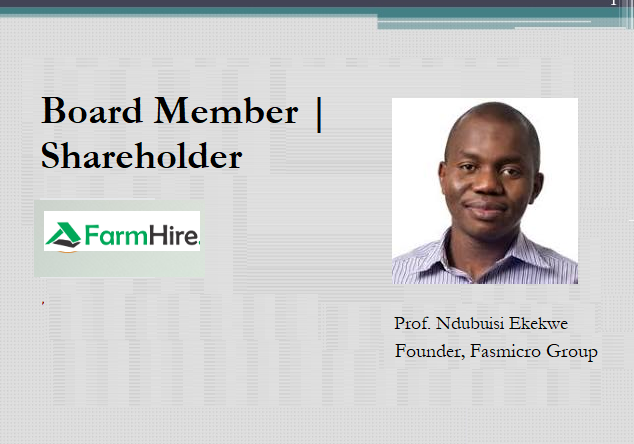
Ndubuisi Ekekwe Becomes FarmHire Shareholder, Joins Board

0

I am a big farmer who does not farm. Yet, from RIFAN to Seeds association, we are like families.It was a beauty earlier in the year walking into the reception hall of Intercontinental Hotel Lagos to see many farmers shouting “Professor, gaisuwa”. They were there for an executive meeting. Months before, we gave them Zenvus Boundary which cut something that used to cost N270,000 to N7,000, helping many to comply with a Central Bank of Nigeria land requirement documentation to access the Anchor Borrowers Fund.

Yet, despite our progress, we continue to see major frictions: too much information asymmetry on the farm equipment nexus. Fascinatingly, we saw a company doing something in that space. So, people, I am happy that I have joined FarmHire.ng as a Board member and shareholder.

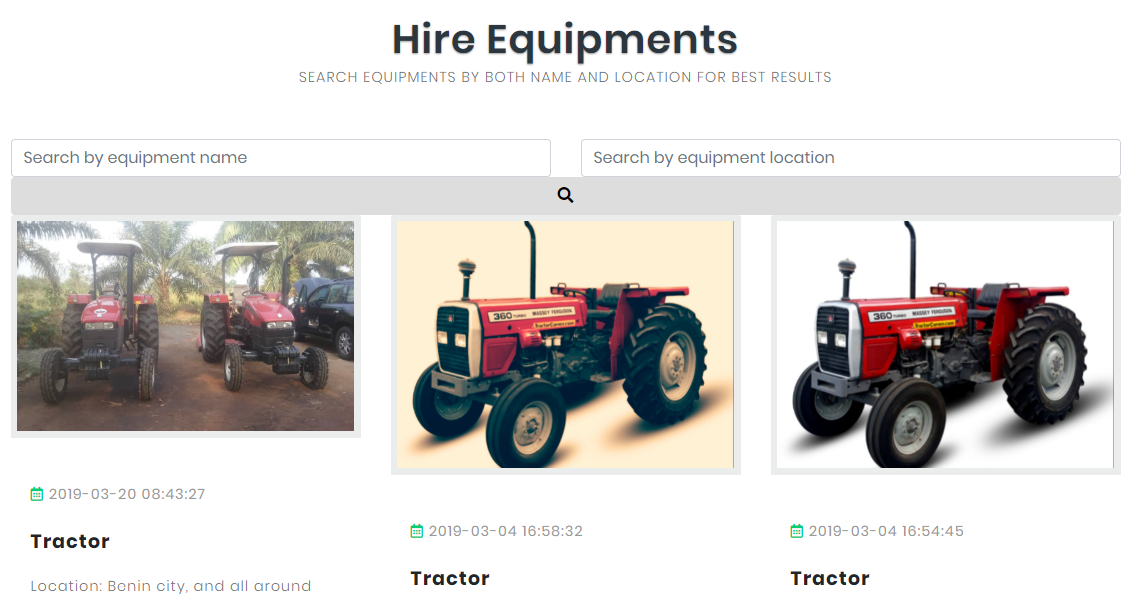
FarmHire does one thing well: link owners of farm equipment and broad farm inputs, and farmers. We will bring our resources to help make it better – they are already amazing.

You can buy tractors, and broad farm equipment, and put in the portal for guaranteed monthly income. Of course if you already own farm equipment, FarmHire will like to have them in the portal. Oluseyi Agbola is leading this mission – an amazing young man who is possibly in a farm as I write.

FarmHire.ng is Nigeria’s number one website providing an online platform for farmer to farmer equipments and job hiring. Equipment owners and government agencies can add their equipments and hiring price to connect with farmers that need to book them. Also, any agricultural related job an be easily posted to get qualified professionals to apply. There is also an opportunity for farmers to post free ads about their products, equipments and land for sale and interested persons can contact them. Farmers’ forum allows farmers to post their questions discovery or questions, comment and get comments from other farmers. The platform solves many problems at a time and keep farmers well engaged for products, equipments and skill sharing.

source: farmhire.ng

Yamaha Invests in Nigeria’s Motorcycle Ride Hailer MAX .ng Which Raised $7 Million

0

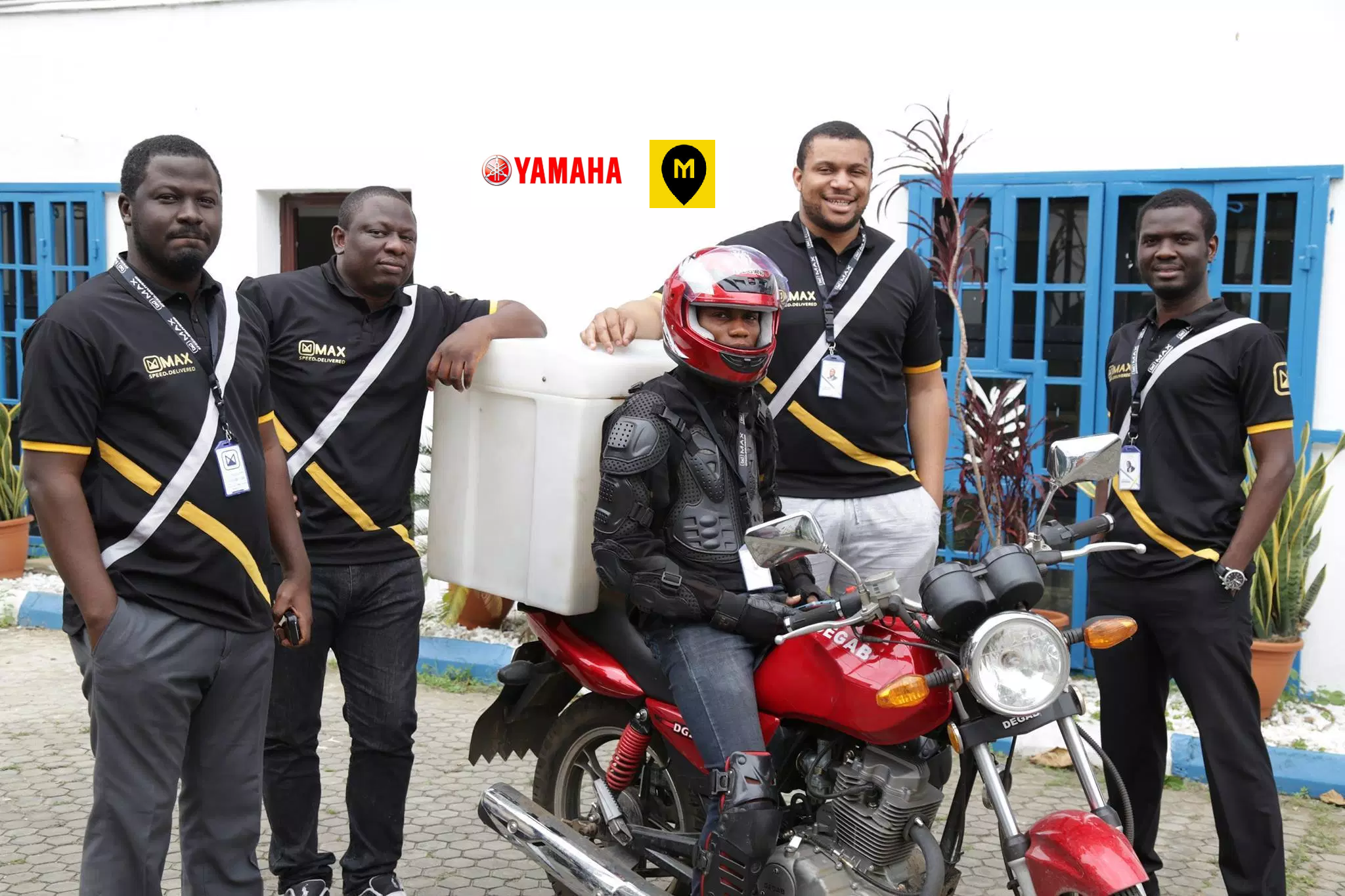
I have said it that transportation / logistics is the next big thing in Nigeria after fintech. The money rain is falling and many are wet. I am already in through Zido, West Africa’s largest keke aggregator.  Max .ng just confirmed what I wrote few days ago that it raised $7 million. The fascinating thing in the press statement which they just released is that Yamaha, the global motorcycle maker, invested in the round.

There is a major shift: transportation startups are raising tons of money right now in Africa. Gokada raised $5.3 million few weeks ago, and has now added boats in its business. Today, we are learning that Max .ng, a motorbike ride-hailing startup, has raised up to $7 million. As that happens, ORide from Opera, has $100 million to dip from as they work to fix the logistics friction in Nigeria. These companies are overlaying technology on what has been with us – informal motorcycle taxis  – and they hope to “win market share by offering trained, accountable drivers and the convenience of booking rides through a mobile app”, as Reuters notes.

Great numbers there: MAX. ng has completed over 1,000,000 trips and is one of Jumia’s largest delivery partners in West Africa. The logistics element is a big deal; in coming weeks, Zido will plug into the last mile delivery ecosystems across major Nigerian cities.

The Press Statement

MAX.ng, the pioneering Nigerian mobility startup, announced today that it has raised $7 million from an elite group of strategic and financial investors from the US, Europe, Asia and Africa.

The investor group includes Novastar Ventures, a Nairobi and Lagos-based VC firm, Yamaha Motor Co. Ltd, a world-leading Japanese motorcycle and marine hardware manufacturer, Breakthrough Energy Ventures, an investor-led fund backed by some of the world’s leading business executives, Africa-based Zrosk Investment Management, a regionally focused multi-asset investment management company, and Dutch investor Goodwell Investments’ uMunthu Fund, a €100mn inclusive growth fund for Sub Saharan Africa (via its West Africa co-manager Alitheia Capital).

This round brings MAX.ng’s total fundraising to $8.5m. Existing investors include Techstars, Olive Tree Capital, Venture Garden Group, RightSide Capital Management, Shell Foundation and angel investors such as Greg Schroy and Michael Lazerow.

Adetayo Bamiduro, MAX.ng CEO and Co-founder, said, “MAX is building technology infrastructure and financial services to make mobility safe, affordable and accessible to 1 billion Africans. This isn’t just about building mobile apps. It is about creating financial, technology and operating infrastructure where it never existed”

Yoshihiro Hidaka, President, Chief Executive Officer and Representative Director of Yamaha Motor Co. Ltd., spoke about his excitement at MAX.ng’s potential during a recent visit to MAX.ng’s HQ in Lagos.

MAX.ng plans to use the funding to expand to 10 cities across West Africa, scale its technology infrastructure, deploy mobile payments in partnership with Mastercard, introduce an electric fleet and deploy new vehicle categories, including 3-wheel tuk-tuks.

MAX.ng plans to scale its operations and engineering teams to accelerate growth in user adoption, said CFO Guy-Bertrand Njoya. He added: “This is where the adventure begins. We are excited by the opportunity to foster widespread financial inclusion for the unbanked and underbanked across the continent through the development of our transportation-finance platform.”

MAX.ng, which has a strong presence in South-West Nigeria, intends to grow its geographic footprint rapidly, adding customers across Nigeria, Ghana, and Ivory-Coast. “MAX.ng is uniquely positioned to revolutionize the way Africans move whilst also empowering thousands of motorcycle-taxi drivers. By innovating quickly, we are thrilled to transform Africa’s mobility space at an accelerated pace,” said Chinedu Azodoh, CGO and Co-founder.

About MAX.ng

Founded in 2015, MAX.ng is a mobility platform that connects users to vetted professional motorcycle-taxi drivers (known as MAX Champions) via a mobile app.

MAX.ng increased the amount of rides by 17x in 2018 and targets a $80 billion market across sub-Saharan Africa. It provides safe, affordable and accessible rides, helping its customers weave through Africa’s mostly unpaved and congested roads quickly and safely. MAX.ng has completed over 1,000,000 trips and is one of Jumia’s largest delivery partners in West Africa.

Connecting Airbnb Heritage Travel with 23andMe Genomics is Perception Demand

0

This is a new level – connecting DNA to sales dollars in America. Heritage travel is a type of travel where people visit villages, cities or countries with the intention of connecting to their ancestral homes. Interestingly, Airbnb, the asset-light room aggregator, is partnering with 23andMe, a biotech startup that does genomics for people, helping on health issues and family history, to make heritage travel happen. Simply, this is perception demand, creating something in the minds of customers to make sales happen. I cannot imagine a more stimulating way to get people to spend, and be on the road in order to rent that room. But it is all capitalism.

Ever heard of heritage travel? It’s when folks pilgrimage to uncover family histories in their forebears’ home cities, towns, and countries. According to a recent survey, about 89% of people in India and 69% of those in France and the U.S. have traveled to at least one country of their ancestry, and many travelers in Australia, India, the U.K., and Brazil say that visiting a place connected with their relatives will be the most important consideration when planning their next vacation.

To facilitate these types of trips, global hospitality marketplace and service company Airbnb … announced that it is teaming up with 23andMe, the biotech firm perhaps best known for its personalized genomics reports about family history and health, to incorporate heritage travel recommendations into their respective user experiences. Specifically, 23andMe customers will soon be able to click through to their ancestral populations to find Airbnb Homes and Experiences located in their ancestral countries, and Airbnb now has dedicated pages that correspond with 23andMe’s genetic populations in Sub-Saharan Africa, North Africa and West Asia, Central America and Mexico, South America, East and South Asia, and the Caribbean and Europe.

Yes, you do your DNA analysis via 23andMe, and notice you are from Nigeria, at any level of generational transition. You plan a trip through Airbnb to visit Nigeria from New York. For this trip, there is a higher purpose; you are not just visiting Nigeria, you are going to the land of your ancestors. That creates a new level in your mind that nothing can stop this trip from happening.

It is a new domain where your DNA can be used to activate sales at scale: Heritage Travel is now invented. Like the old Intel Inside campaign (read this my Harvard Business Review piece for insight), this new redesign can move markets if applied across sectors. Your ancestors were great wrestlers, visit Las Vegas to experience live the sports of your ancestors. Your grandparents lived near that great lake, a show is coming, and it will be fun if you finally splash that water body which supported their lives. In all these cases, DNA is used to customize your experiences through perception..