DD
MM
YYYY

PAGES

DD
MM
YYYY

spot_img

PAGES

Home Blog Page 6876

DHL is now Jumia’s Main Competitor in Africa

0

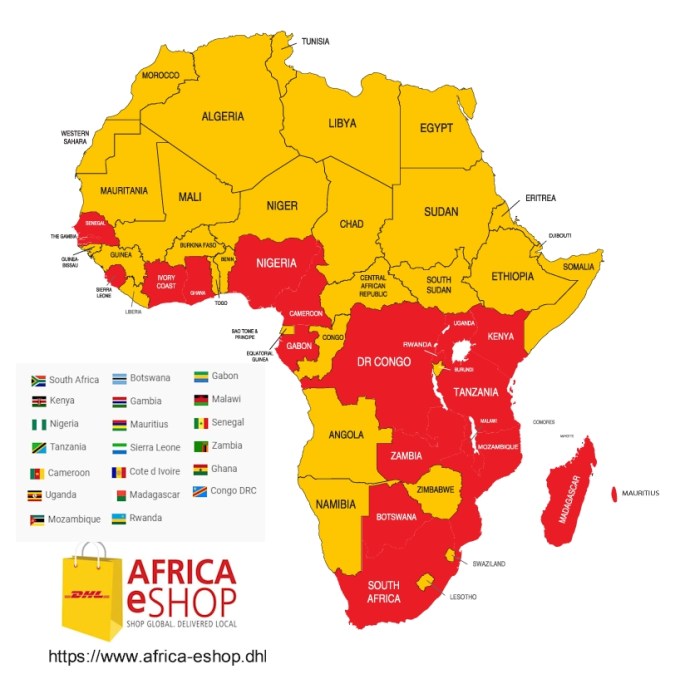
DHL is scaling its eShop in partnership with MallforAfrica. Jumia operates in 14 countries – DHL eShop is in 20 countries. The biggest competitor Jumia has now is DHL. It has brought excess of 200 U.S. and European top brands like Neiman Marcus and Carters online to Africans. If you take DHL’s supply chain advantage through its existing delivery structure built over decades, you can see that its claim that it is “Africa’s Largest Online Shopping Platform” makes sense.

Why? Ecommerce in Africa will be won on logistics as that is where the marginal cost issue required for scaling is domiciled. According to McKinsey & Company consumer spending will hit $2.1 trillion by 2025, with e-commerce accounting for up to 10%, in Africa. Many will put money in this sector but if you do, do not ignore what DHL is doing as it is mopping the best online sellers – typically foreign brands – at scale.
All Together

When you look at the whole elements, ignoring the open market [the one everyone wants to take down], and Facebook and Instagram which are auxiliary competitors, the main competitor to Jumia now is DHL. With DHL’s logistics capability, it has the easiest route to become the Amazon of Africa that can help people buy things on Kenyan e-stores and get them next two days in Lagos. Those e-stores could be DHL eShops and that is why its positioning is strong in the continent’s ecommerce sector.
Amazon’s Exit from Restaurant Delivery Shows Startups Can Win with Upstream Capabilities

0

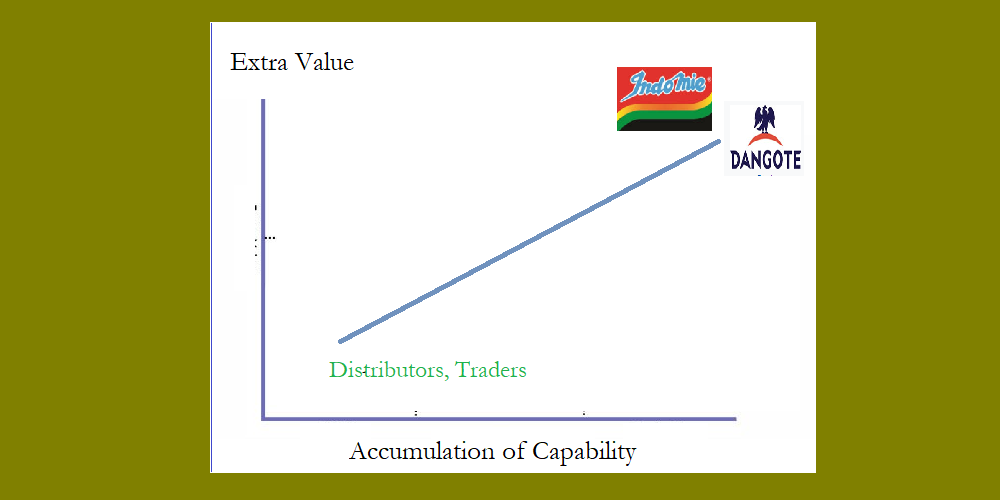
Companies must develop and accumulate capabilities in order to compete in the marketplace. From Google to Dangote Group, when companies accumulate capabilities, they see themselves operating in the segments of markets with higher value (usually upstream) compared with where many lower-grade competitors usually operate (usually downstream). Dangote Group can deploy massive assets and technical know-how in cement production, making it harder for new entrants and rivals.

Yet, Indomie Noodles won over Dangote Noodles by deepening its capabilities thereby making it impossible for Dangote Group to find opportunities in the noodles business in Nigeria.

I explain how the makers of Indomie noodles used the same strategy Dangote Group had deployed across industrial sectors to defeat Dangote Noodles. The  accumulation of capability which Dangote Group uses to crush competitors did not work because Dufil Prima Foods (makers of Indomie) did the same thing from electricity generation to production, for its noodles business. With their vertically integrated business, there was no left efficiency which Dangote could exploit to improve quality and reduce price. At the end, an established brand won and Dangote Noodles could not dislodge them. Dangote Group later sold its noodle business to Dufil Prima Foods. This shows a practical model anyone that wants to compete against Dangote Group can deploy. Beware: you need to be very solid!

This principle is universal: Amazon is exiting the restaurant delivery business in London and US, as it has failed therein. The pioneering startups are already operating at the upstream with supreme accumulated capabilities. Despite Amazon’s capital, it could not crack the markets – and has to exit. Building moats in your category will ensure you become a category-king and rule for years.

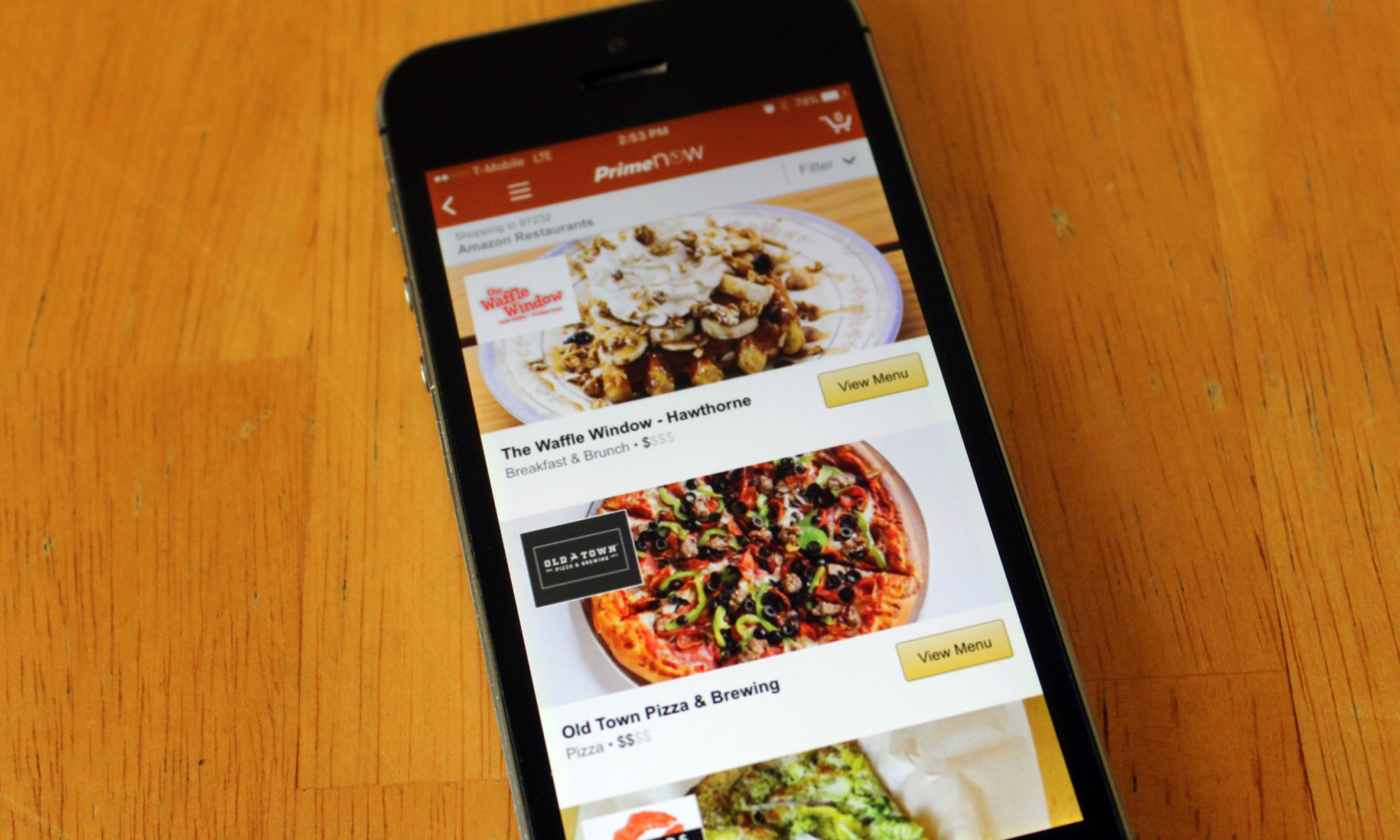
Following November’s closure of Amazon’s restaurant delivery business in London, the company is now shutting down operations in the U.S. The service, which was launched back in fall 2015, was designed to give Prime members another perk — a way to order meals, not just products and groceries — through the e-commerce giant.

But the service has faced much competition, including from local rivals like Grubhub, Uber Eats, DoorDash and Deliveroo (which Amazon invested in) in London, among others. In some cases, they would even discount their services in order to win market share. Amazon, meanwhile, has largely failed to establish itself as a significant player in restaurant delivery in both market share and consumer mindshare. It’s not the first name people think of when they’re looking to order food for lunch or dinner, and the logistics of delivering hot meals in a timely fashion introduces a different set of concerns that go beyond Amazon’s core focus areas.


How To Beat Dangote Group: How Indomie Noodle Did It

The Unilever’s Open Modern Market on Jumia

0

For decades, Nigeria’s open market was the core channel to reach customers for FMCGs players. Across the nation, these markets are in many varieties – 4 days, weekly or 8 days in most rural areas, and daily in cities. Then you have the security guard tents and the traffic stop boys. Supermarkets and megastores like Shoprite are new inventions. Most companies in the broad domain of FMCGs won by mastering how to win on those open markets.

But time is changing. Unilever now has a director for modern trade, and companies like Konga and Jumia are providing new channels to reach customers. Open market will remain with us but we are going to have versions on the web. Jumia has one – and Unilever just signed up. Jumia makes a section of its website dedicated for Unilever. There, it will host its products and brands for customers.

Yes, fast moving consumer goods manufacturer, Unilever, has joined the ranks of multinationals leveraging the huge potential of e-commerce to create more visibility for their brands in Nigeria. Unilever has officially launched its store on Jumia – jumia.com.ng/unilever-store. The online store houses some of the company’s fast-selling brands, such as Close-up Red Hot and Herbal lines, Knorr, Lifebuoy, Lux, Pepsodent, Sunlight, Vaseline, and Shea Moisture.

“We are pleased to partner with Jumia to make our products available to our customers and consumers by leveraging on technology through e-commerce channels. This is in line with our commitment to continuously seek innovative ways to make our products available and accessible to shoppers. Our message to consumers is that we will continue to live up to the commitment of making sustainable living commonplace through our brands and operations. Apart from our relaunched Lifebuoy soap, newly launched Pepsodent sensitive expert range and Shea Moisture, we have exciting new products planned for the year. Our shoppers on Jumia will be duly informed as we launch,” said Iqbal Farrukh, Modern Trade Director, Unilever. (press release)

This strategy is not new – Amazon.com has been doing it, working on strategic partnerships with major brands like Canon, Sony and P&G to maintain noticeable presence in the portal. Bringing the major brands in Nigeria within the ecommerce platforms will remove the risks of customers buying counterfeits and fake products. I expect the model to blossom.  Yet, do not leave the atom-based open market because that is where the trades happen in Nigeria.

Yobe Senator, Ahmed Lawan, is Nigeria’s Senate President; Ovie Omo-Agege is Deputy

0

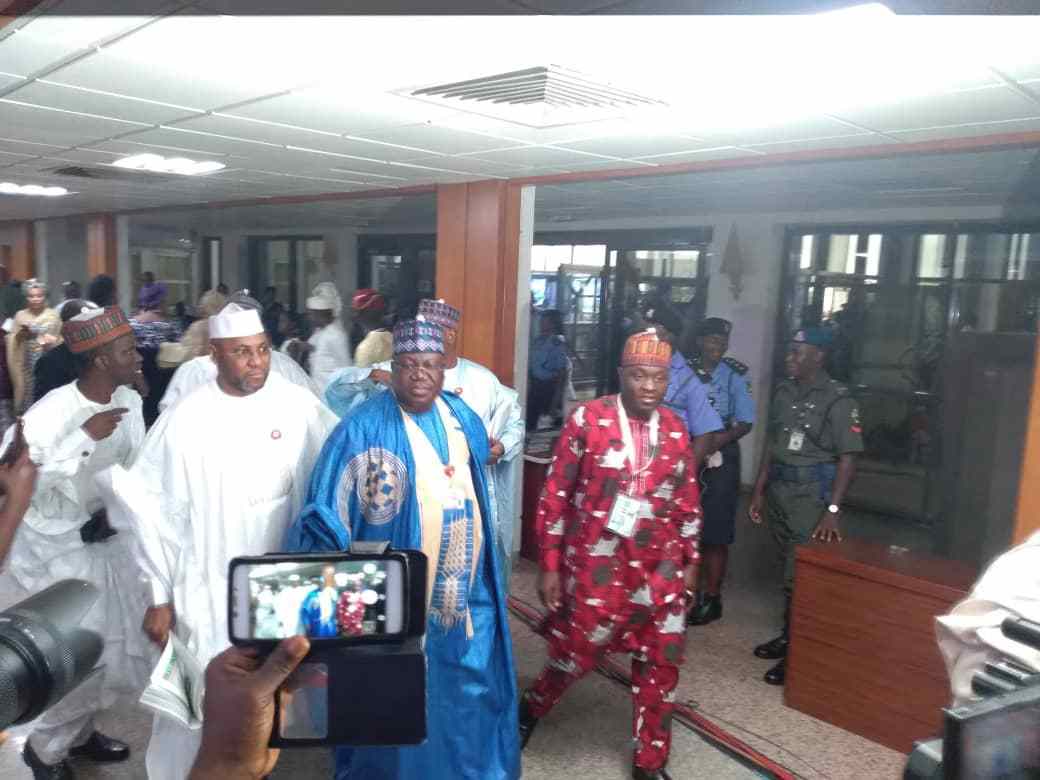
Yobe Senator, Ahmed Lawan, is Nigeria’s Senate President. Also, Delta Central Senator, Ovie Omo-Agege, has emerged Deputy President of the Nigerian Senate. Time to serve begins. Congratulations.

Yobe North Senator, Ahmed Lawan, has been announced as Nigeria’s Senate President.

Mr Lawan polled 79 votes to beat his closest rival, Ali Ndume, who garnered 28 votes.

The Election of Senate President was held at the first session of the Senate on Tuesday.

After a secret ballot voting, the clerk to the National Assembly, Mohammed Sani-Omolori, announced Mr Lawan’s victory to the cheers of Senators and others in the chamber.

Mr Sani-Omolori said 107 senators cast their votes.

“It is my pleasure to announce that Senator elect, Ahmed Lawan, having scored the highest number of total votes cast is hereby returned duly elected as Senate President of the Federal Republic of Nigeria,” he said.

Ahmed Ibrahim Lawan is a Nigerian senator who represents the All Progressive Congress in the Yobe North Constituency of Yobe State. He became a senator in 2007. In 2019, he emerged the new Senate President of the 9th National Assembly with 79 votes cast to beat Senator Mohammed Ali Ndume with 28 votes.

[Apply, free] Utiva Unveils Data Analytics for Professionals and Entrepreneurs, Lagos

0

Let’s talk about the top skills that are needed for the future of work. By the way, have you read the future of work Nigeria? Usually, when we mention the future of work, people usually think it’s all about automation and loss of jobs. But it’s more than that.

One of the many things that will happen in the future is that employers will hire more people with skills and capabilities that are relevant to the dynamics of the time.

So, what will be relevant in the future? I can tell you for free that the way business leaders will make decisions will change.

It’s going to be data-driven. Less personal sentiments and opinions.

Data Data Data!

So if you want to be super relevant in the future, get in the space of data analytics. Be a data scientist.

You can join Utiva in a 3-hour data analytics introductory session.

This session will show you three things:

1. The models of data analytics
2. 2 hours on what Power BI can do
3. The power of SQL for data analytics.

It’s strictly by invitation for those who register. Only 70 slots are available.

Register here: https://forms.gle/vFrkZ3GHVn88nCd18

Date: June 22, Lagos.