DD
MM
YYYY

PAGES

DD
MM
YYYY

spot_img

PAGES

Home Blog Page 6880

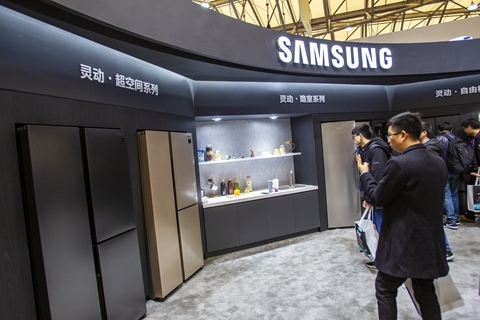
Samsung’s Market Share in China Drops from 20% (in 2013) to 1%

0

Call it huge competition – Samsung’s market share in China drops from 20% (in 2013) to 1%. The South Korean giant has been priced out by local competitors. Consequently, the company is cutting jobs and production at its last remaining plant in China, moving production to Vietnam and India where it sees more opportunities. Yet, the company will continue to build a multi-billion dollars semiconductor plant in China. The reality is that most of the local smartphone makers rely on Samsung chips – a situation I have called the double play strategy.

Samsung, the world’s largest smartphone producer, is cutting jobs at its last phone manufacturing facility in China, reflecting slowing sales and heating competition in the No.1 smartphone market, Caixin learned.

The layoffs at Samsung’s plant in Huizhou, Guangdong province, are being carried out on a voluntary basis. Employees agreeing to leave with compensation will need to sign up by June 14, according to a company document seen by Caixin. It is unclear how many people will be affected by the job cuts.

Samsung faces rising costs and stiffer competition in China. Meanwhile, the global smartphone market is slowing after years of rapid expansion. In 2018, worldwide shipments of smartphones declined 4.1% to 1.4 billion units, according to market information provider IDC. Shipments by Samsung dropped 8% to 292 million units, although the company remained the largest smartphone vendor in the world.

In Africa, Samsung has lost out to Transsion, the makers of Tecno, Infinix and itel, as the #1 mobile device brand in the continent. But do not weep for Samsung, provided these entities continue to order its memory chips and components, the company will be just fine to a certain level.
The WeChat Police of China

0

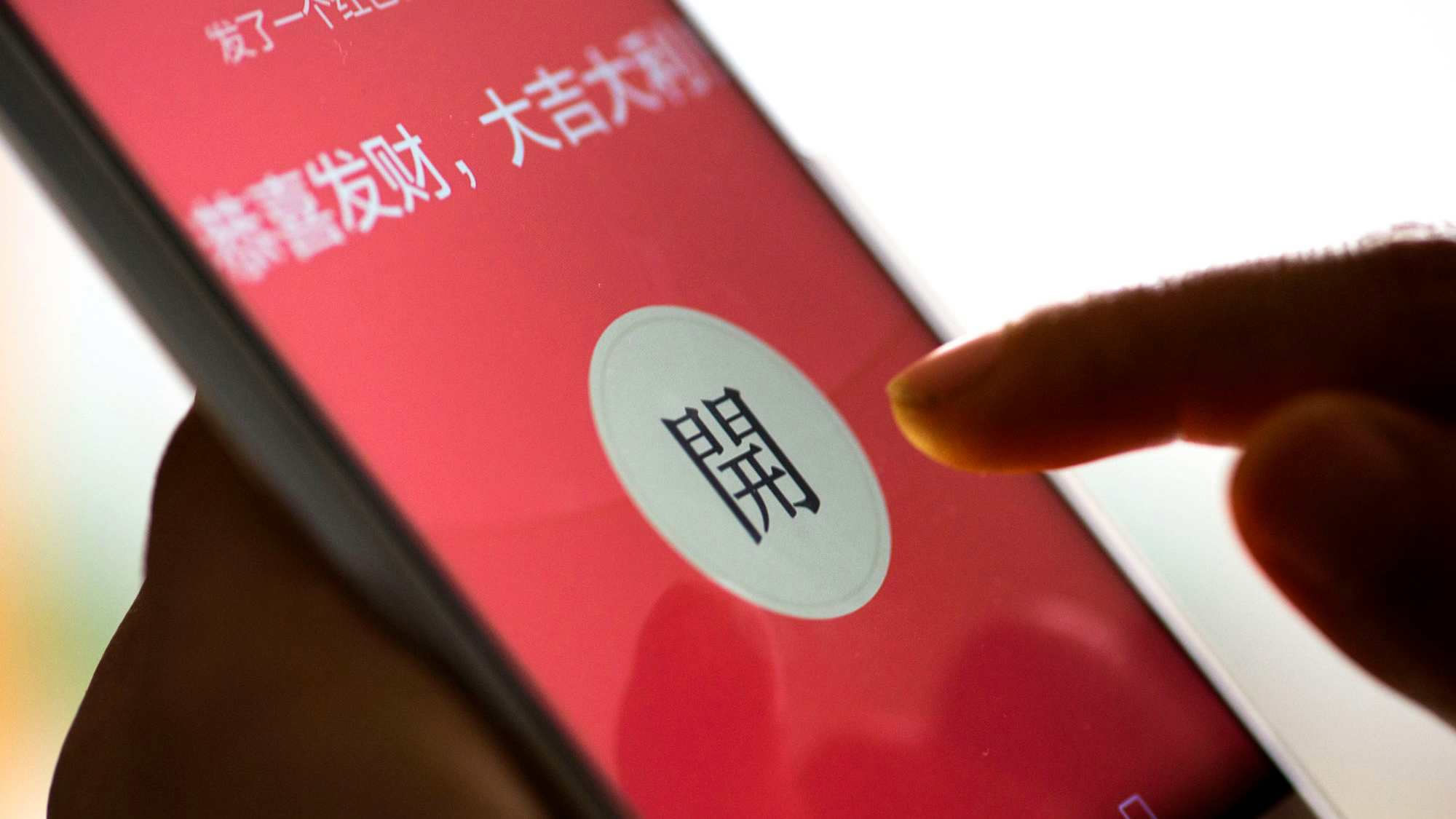
This is simply unbelievable on how WeChat, China’s superapp, can execute such at scale. This is from Fortune newsletter (apologies for posting at scale here). This implication is simple: WeChat can become SSS, Police and agent of commerce at the same time. Read below, especially the bolded section.

I’ve written a lot about the wonders of WeChat, the multi-functional “super app” operated by China’s Tencent Holdings. I’m not alone in considering WeChat one of the world’s most innovative digital platforms. Launched in 2011 as a messaging service similar to WhatsApp, WeChat has emerged as China’s dominant messaging app and rapidly morphed into an all-in-one platform for social networking, mobile payment, money transfers, ride hailing, food delivery and much, much more.

In February of this year, Tencent announced that WeChat had amassed more than 1 billion monthly active users. As CEO Daily readers who have visited China recently will know, WeChat (or Weixin, ??, as it is known in Chinese) has become an indispensable part of everyday life in modern China. It’s been called China’s “one app to rule them all.”

But WeChat has a creepy dark side—one explained simply and clearly by a recent blog post from BBC Beijing correspondent Stephen McDonnell. Earlier this month, McDonnell travelled to Hong Kong to cover a candlelight vigil marking 30 years since the People’s Liberation Army was ordered to open fire on student protesters in Tiananmen Square. The event drew a record crowd this year, with some estimates ranging as high as 180,000 people. McDonnell took photos of the event with his mobile phone and posted some on his WeChat Moments account.

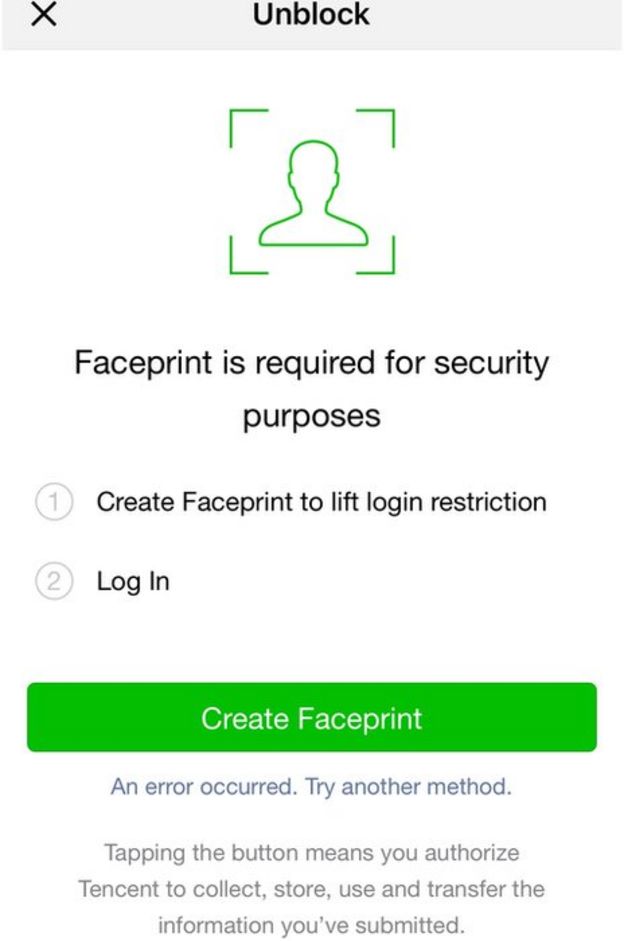
McDonnell waited a day for his WeChat privileges to be restored. When he next tried to log in, he was instructed to tick an “agree and unblock” box confessing that the reason he had been blocked was for “spreading malicious rumors.” He agreed, and was then instructed to hold his phone up, take a photo of his face, and read a series of numbers around in Mandarin. After his face and voice had been successfully captured, he received a big green tick confirming that his request to regain access to WeChat had been approved.

A recent study by the University of Toronto’s Citizen’s Lab found WeChat is not only capable of filtering keywords and but can detect and block images deemed sensitive without users’ knowledge. The prospect that WeChat can not only recognize such images but then force users to add themselves to a database of suspicious users is a terrifying one—and not only for journalists. I know many senior IT executives at large financial institutions in Hong Kong who adamantly refuse to download WeChat even though (or perhaps because) they travel regularly for work on China’s mainland


WeChat notifcation

The main differences between secured and unsecured loans

0

If you want or need to borrow some cash a loan is a popular route to go, and there are two main types of loan to choose between; secured and unsecured. Although they do share some common points there are also some quite major differences between them, and before you pursue either it’s really important that you understand exactly what they are.

First, let’s look at the main features of both types of loan.

Secured loans 

  • Secured loans are tied to something valuable that you already own, such as a property or a car, (known as collateral). You maintain full control of everything, but if you don’t keep up the repayments the lender is legally allowed to take the collateral and sell it – or force you to sell it – to cover the outstanding debt.
  • It’s usually easier to get a secured loan, even with a poor credit history because there is less risk to the lender.
  • Interest rates are generally reasonable.
  • It’s possible to borrow a decent amount of cash.
  • Usually have lengthy repayment periods.
  • In some cases the collateral won’t raise enough to cover a large debt, so you could still end up in debt if you default.

Unsecured loans

  • Usually come as car finance packages, personal loans and student loans.
  • Failure to keep up with repayments can negatively affect your credit score, and legal action may be taken against you.
  • Interest rates tend to be quite high.
  • You need a decent credit score to qualify.
  • Generally good for borrowing sums between £7- 15,000.
  • Some offer repayment breaks.
  • Most lenders expect applicants to have a stable income.

Key differences between secured and unsecured loans

 How decisions are made

In most cases the decision to grant a secured loan secured loan revolves around the prospective borrower being able to offer decent equity, which could be their home (if there is enough free capital after any outstanding mortgage is paid), a car (if valuable enough), or something else such as stocks and shares. On the other hand, decisions about whether or not to grant an unsecured loan are often based on the applicant securing a good score when their income, outgoings and credit history are assessed.

Collateral

You don’t need to risk losing your property or possessions with an unsecured loan, but you should always be aware you could lose what is offered as collateral with a secured loan.

Ease of borrowing

Secured loans are easier to get, especially if you have a poor credit history, or a low credit score for some other reason.

Loan amounts

These are generally higher for secured loans, but there may be a minimum level of borrowing which is above what you actually want to borrow. It can be tempting then to over-borrow as a result.

Interest rates

Secured loans generally have lower interest rates, although anyone with an excellent credit score may qualify for an unsecured loan with a competitive interest rate.

Repayment schedules

In general secured loans offer lengthier repayment plans than secured loans.

Top 10 Startup Funding Deals in Africa – 2019* vs. 2018 (updated)

0
Top ten African deals

The table presents the Top 10 Startup Funding Deals in Africa – 2019* vs. 2018. To qualify, a startup must be:

  • headquartered in Africa OR
  • have Africa as its main market OR
  • is incorporated in Africa

Only private entities – Jumia excluded because it is now a public company. We might have missed some, feel free to list using the comment section below.


Build Your Professional Webinality

0

In this digital era, it is no more what you know but what people think you know that really brings progress. Get over the shyness, write your first professional article, and see how things will open up. Here, I have listed some suggestions on how to build your professional webinality (web + personality).


Your Webinality Inc.