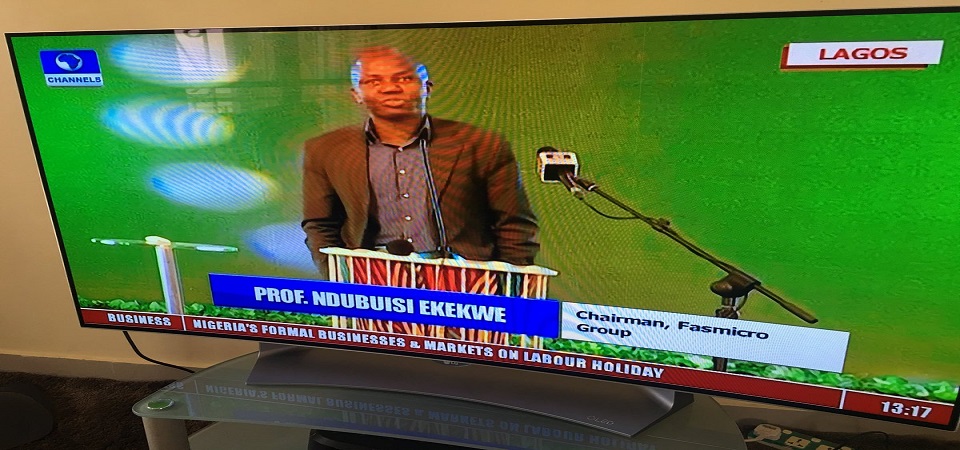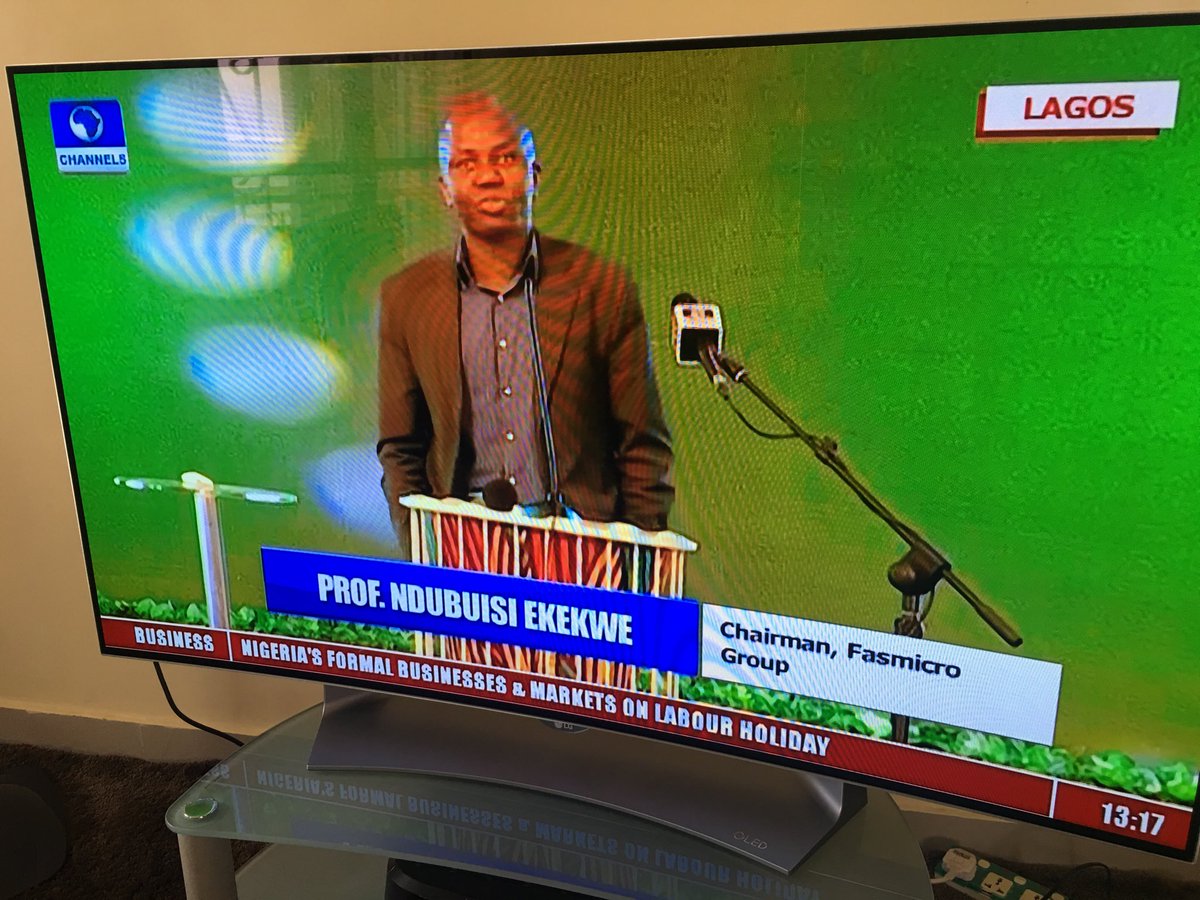
I began the day today with Arise TV, speaking with Reuben Abati, co-anchors, and David Alozie on Innovation and Nigeria. It was a live TV program.
Innovation = Invention + Commercialization
Innovation enables a new basis of competition, offering firms and nations the opportunities to create a separation by anchoring new trajectories in markets and territories. Until ideas have been tested and the hypotheses validated in markets, within demand-supply frameworks, the term “innovation” cannot be used.
In my book – Africa’s Sankofa Innovation – I have explained different types of innovation [section reproduced below]: disruptive or breakthrough innovation, sustaining innovation, incremental innovation, discontinuous innovation, continuous innovation, open innovation, closed innovation, Hybrid innovation, grassroots innovation or “bottom of the pyramid” innovation, Sustainability innovation, inclusive innovation, social innovation, and user innovation. Then, there is Sankofa innovation.
Box 1.1: Different Forms of Innovation
Innovation is important in commerce and industry owing to its specific capacity to improve competitiveness and position institutions for success. There are many kinds and forms of it: disruptive or breakthrough innovation is one that changes the basis of competition in an industry — for example in watches, Swatch change the basis of competition from accuracy to fashion; sustaining innovation is one that perpetuates the current dimensions of performance —for example, Tesla making electric cars that can go further before recharging; and incremental innovation focuses on small improvements on existing products, services and processes.
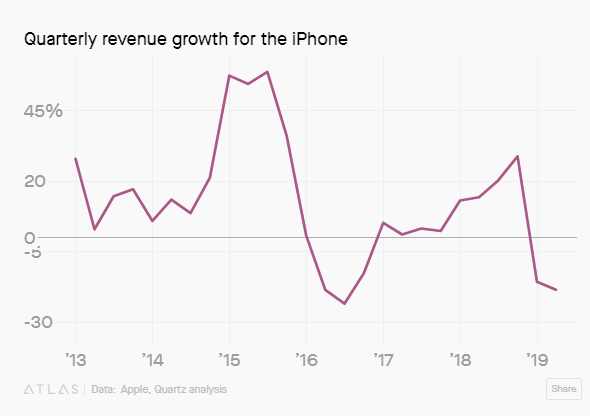
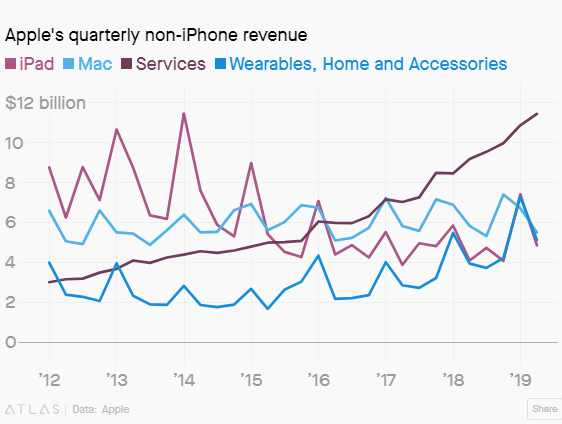
Disruptive innovation is the most consequential as it redesigns markets through transformational impacts enabled by the technologies. The evolution of smartphones like iPhone has been termed disruptive. It brought new social systems like the sharing economy made possible by mobile apps. Also, the wealth created by Apple is well documented besides the economic and political consequences its impacts have exerted on the economies that hosted the industries its technologies have disrupted (think of job losses in Nokia home country Finland).
Innovation can also be examined within the direction of change: while discontinuous innovation breaks paths to move to significantly new directions, continuous innovation follows a sequence without deviating from the status quo. When innovation takes place in a form that it draws insights that lie outside the boundaries of the firm, it is called open innovation and when the system is highly internally controlled and sequestered from outside, it is said to be a closed innovation. Hybrid innovation where companies keep their internal R&Ds with controlled intellectual properties but open some R&Ds components to get insights from external stakeholders has become common.
Recently, innovations by the billions of global citizens living on less than $2 per day (the poor) and stakeholders of traditional form of knowledge mainly from the informal sector have been categorized as grassroots innovations or “bottom of the pyramid” innovations. Sustainability innovation combines sustainability — environmental preservation, protection through renewal, maintenance, and sustenance — with innovation. For inclusive innovation, the focus is reduction of inequality — poverty, disability, distance and others — and driving growth that considers every stakeholder. This is very close to social innovation which while considering owners/investors equities in enterprises also pushes for serving the society and improving the lot of the poor. And finally, when innovation is led by users — user firms, user communities, end users — and not by suppliers or manufacturers, it is user innovation.
Then, there is Sankofa innovation which is “reach back and get it” type of innovation that emphasizes continuous improvement by looking back and learning from past experiences.