DD
MM
YYYY

PAGES

DD
MM
YYYY

spot_img

PAGES

Home Blog Page 6947

The Transformation of Microsoft Azure and Amazon AWS as Car Manufacturing Platforms of the Future

0

I noted many months ago that winning in the automotive sector will mean focusing on the edges of the smiling curve. Yes, the companies that just focus on making cars will not be the ones creating most values in the industry. The ones making the intelligent solutions for future transportation will transform the sector. So, Intel is a better car company than Ford because Intel is investing in making better computing systems for future cars. Those devices are specialized systems, and more premium, than the boxes we know as cars, which unfortunately are increasingly commoditized.

Evidently, car companies have understood this redesign and are now investing in technology with companies known for innovations and technology-anchored transformations. Yes, BMW and Microsoft are going to work together to develop and build an Open Manufacturing Platform to seed the future of intelligent manufacturing. GE had called that industrial internet, and it is going to be the defining elements of future manufacturing where factories become intelligent as all the elements will be smartly connected.

Today, at Hannover Messe, Microsoft Corp. and the BMW Group announced a new community initiative to enable faster, more cost-effective innovation in the manufacturing sector. In manufacturing today, production and profitability can be hindered by complex, proprietary systems that create data silos and slow productivity. The Open Manufacturing Platform (OMP) is designed to break down these barriers through the creation of an open technology framework and cross-industry community. The initiative is expected to support the development of smart factory solutions that will be shared by OMP participants across the automotive and broader manufacturing sectors. The goal is to significantly accelerate future industrial IoT developments, shorten time to value and drive production efficiencies while addressing common industrial challenges.

Built on the Microsoft Azure industrial IoT cloud platform, the OMP is intended to provide community members with a reference architecture with open source components based on open industrial standards and an open data model. In addition to facilitating collaboration, this platform approach is designed to unlock and standardize data models that enable analytics and machine learning scenarios — data that has traditionally been managed in proprietary systems. Utilizing industrial use cases and sample code, community members and other partners will have the capability to develop their own services and solutions while maintaining control over their data.

This is Microsoft Azure at work just as Amazon has partnered with Volkswagen. What is happening with cloud is an industrial design where future cars will be built on Microsoft Azure and Amazon AWS. Of course, Google Cloud is powering Waymo, the autonomous car company within Google’s parent holding firm (Alphabet).

https://youtu.be/YHY1o6ijJ5I
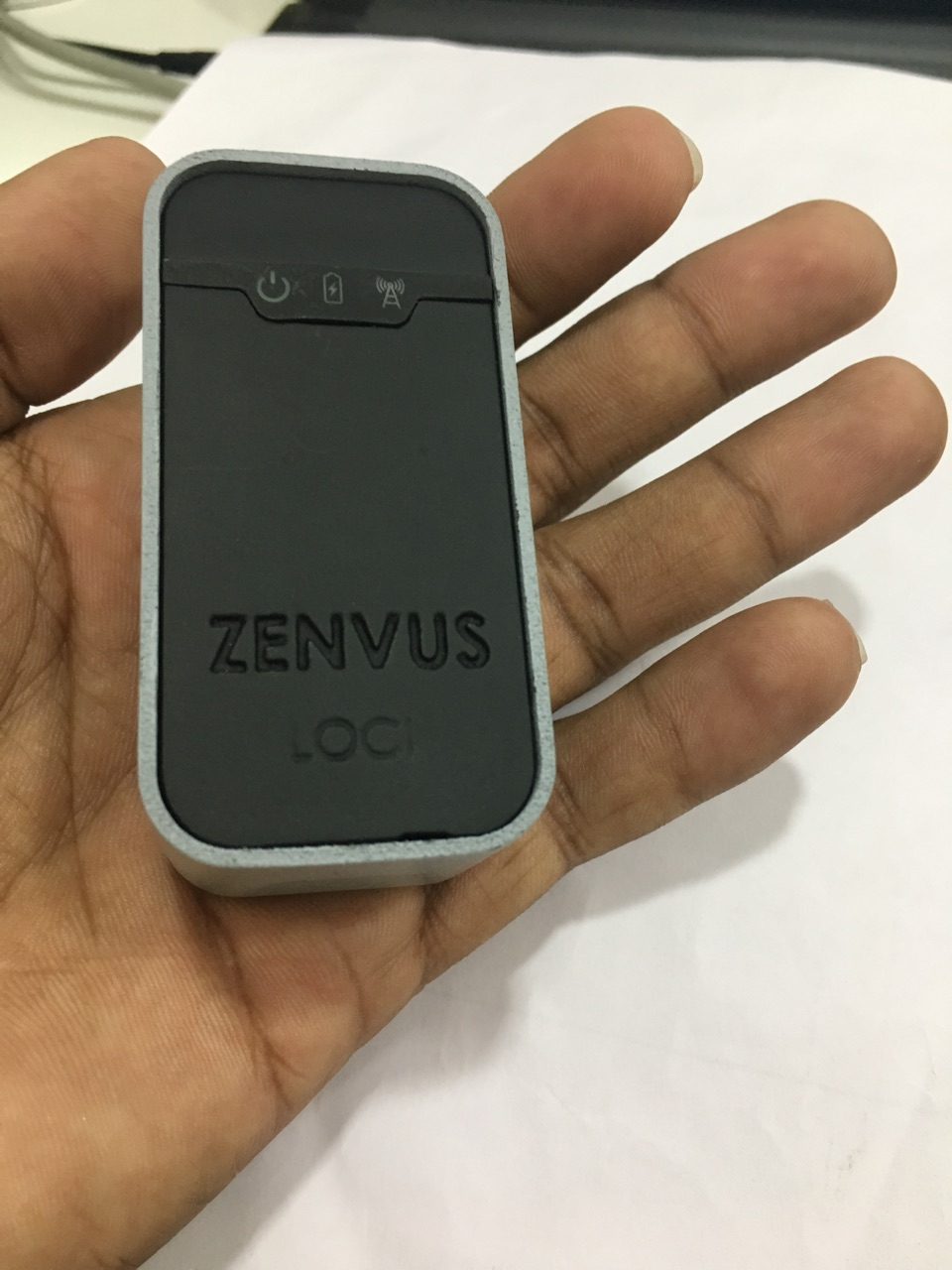
This is Zenvus Loci

14

I was in Ibadan to celebrate the retirement of a major client. We had worked to prepare his son to take over the business by offering a solution that gives founders and CEOs unrestricted access to me. The man gave me a letter. In that letter, he wrote (partly): “your humility is unprecedented and I commend your parents for raising an honorable man for this nation”. I said my mother will read this one, and decided to send the letter to her.

Unfortunately, the luxury bus we had used – Young Shall Grow Motors – did not deliver to Umuahia. As I write, they do not know where the parcel is, and I am confident no one intentionally stole it. Yes, there was nothing to steal because the letter has no value except to me and my family.

So, as typical, I saw a huge opportunity: would it not be good to have a very affordable package GPS that can last up to 7 days on a single USB charge, for important packages? Driven by that, we started drawing, designing and making.

Download the slide here:Zenvus Public Video

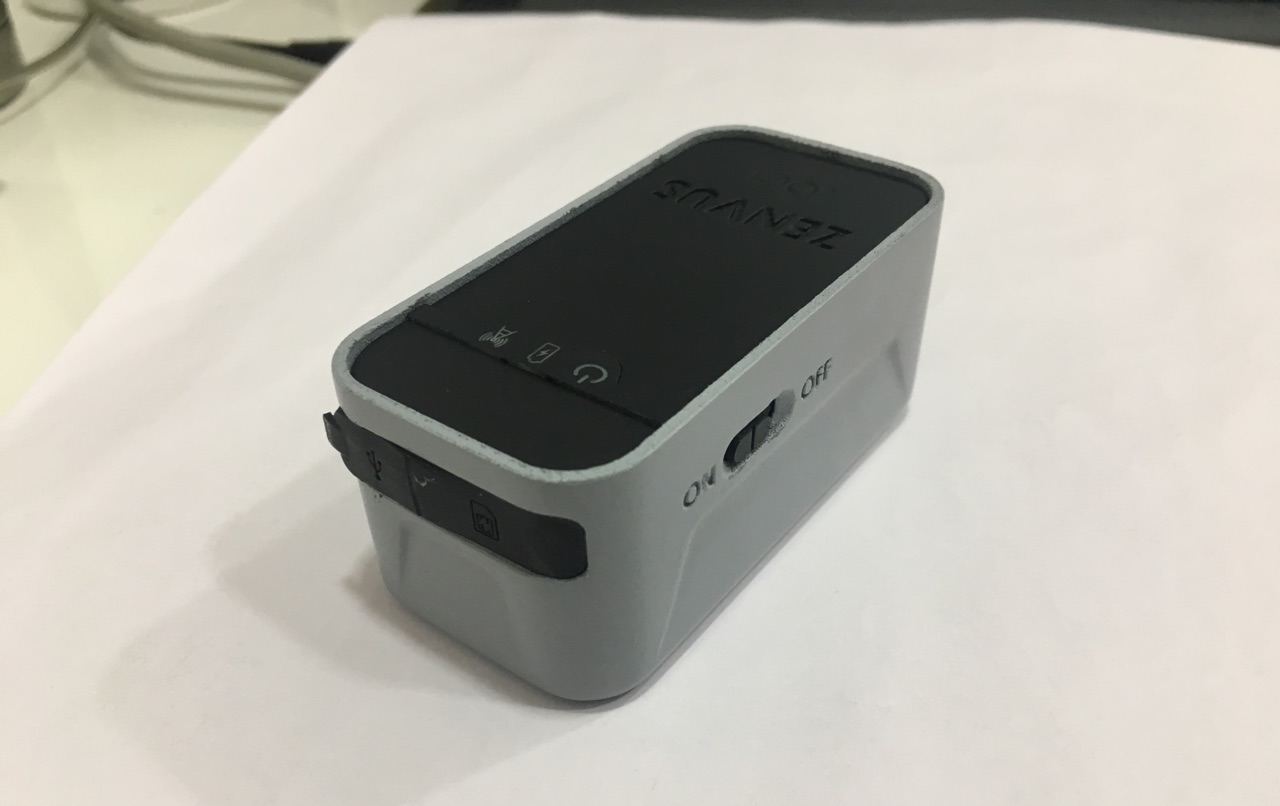
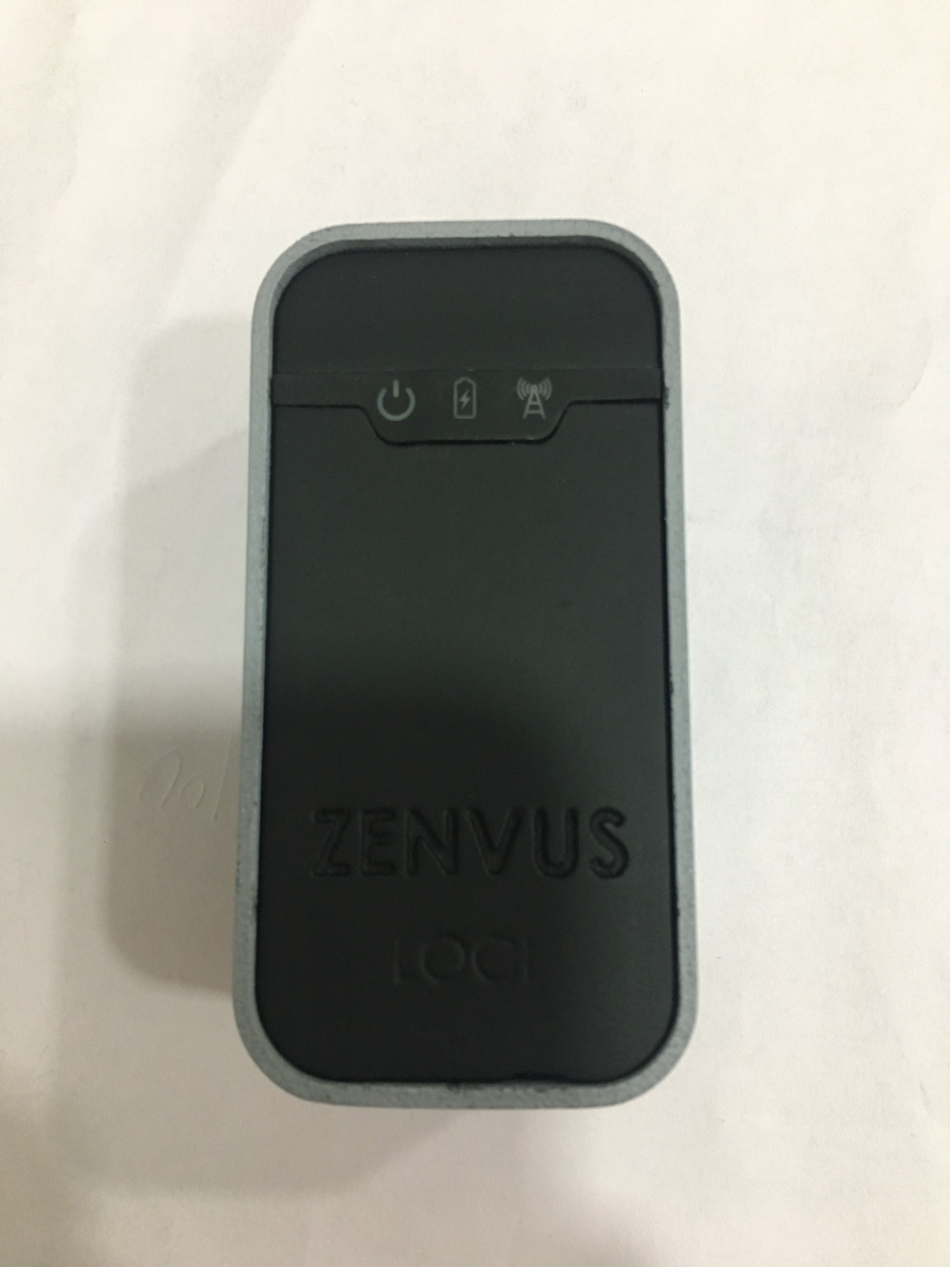
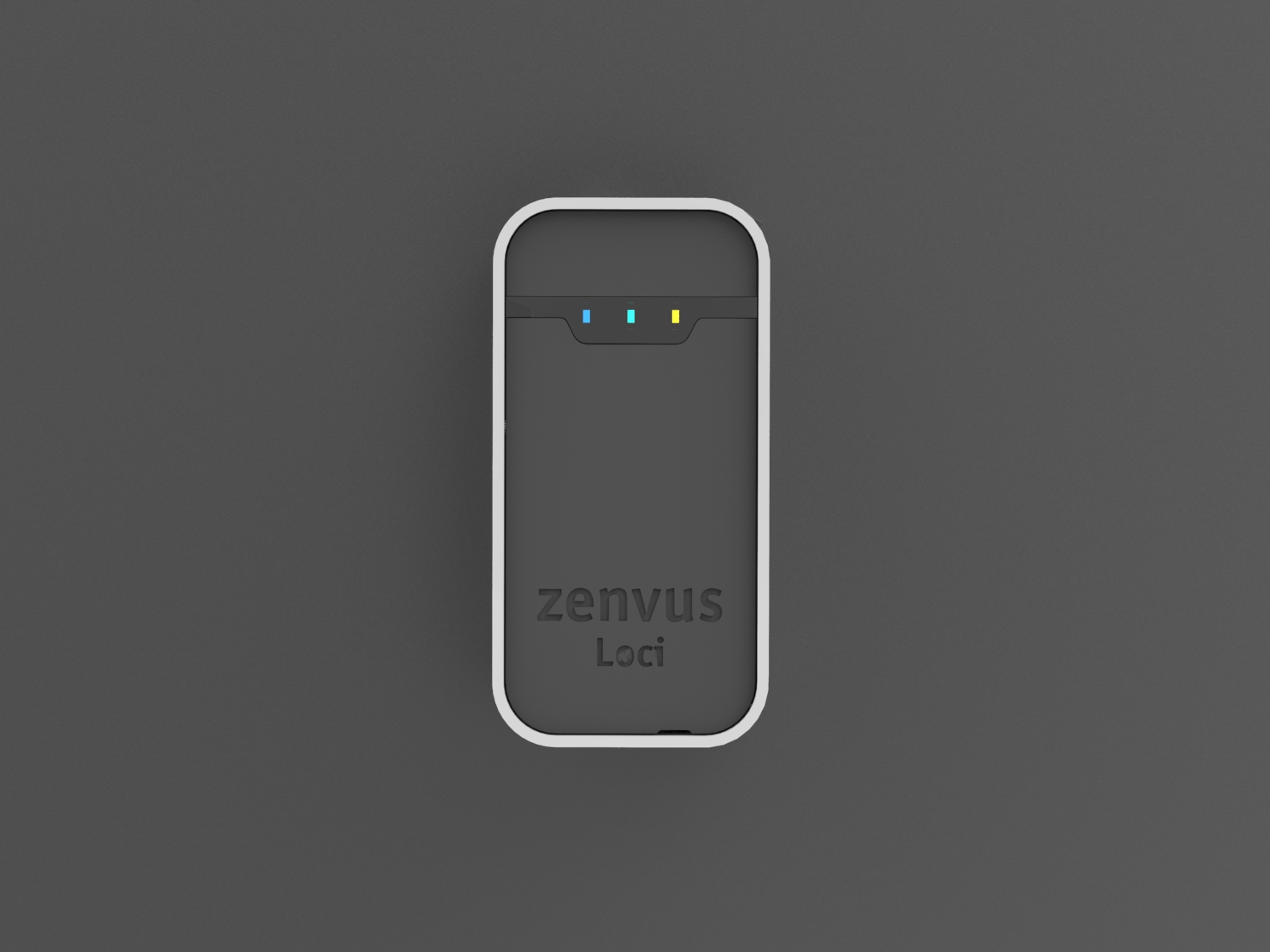
Today, we have Zenvus Loci. I am very happy to introduce Zenvus Loci. Zenvus Loci is a largely disposable package tracker but engineered to be re-usable. Two versions, operating days on full charge (one hour reporting):

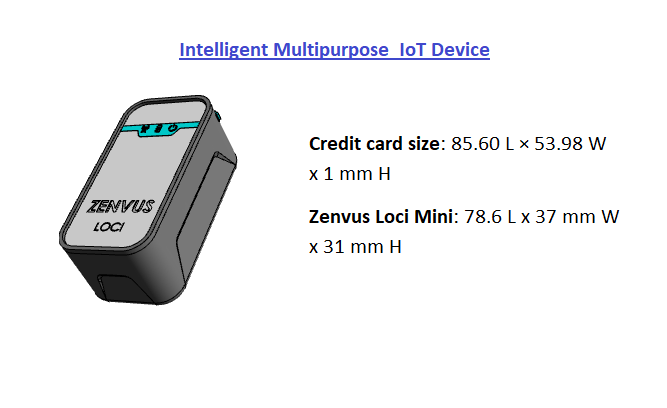
  • Loci Mini (3 days); Loci Max (7 days)
  • Recharge is via USB.

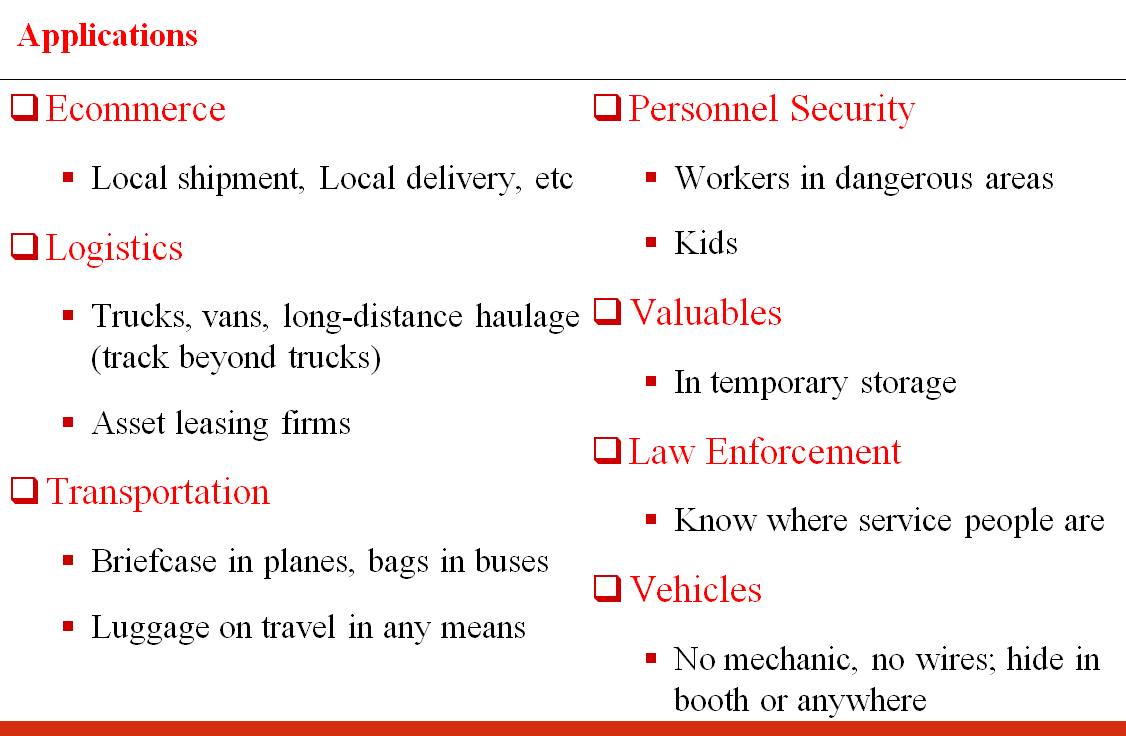
Loci is a disposable or reusable package GPS that you can put in a briefcase, cargo, personnel, etc and monitor in real time its location. We see opportunities in tracking the specific cargoes (not just the trucks), ecommerce shipments, security guards, equipment on transit, law enforcement (police, army, etc), human (child, oil workers, etc), luggage (individuals shipping via buses, personal air travel luggage, etc), vehicles (no installation), etc. It is cheaper than anything in the market and it is rechargeable with USB.

For example, to track a car, one does not need a mechanic for all the complex wiring: just drop it anywhere inside the car (booth, under seat, etc) but make sure say every week to recharge it. And if you are sending a package using a luxury bus (like ABC Transport in Nigeria), you can put the device inside the package to know where it is on the way. It requires extremely affordable monthly subscription to use. Loci is an ecosystem with analytics, API and inventory management solutions.

To apply to become a distribution partner, email tekedia@fasmicro.com

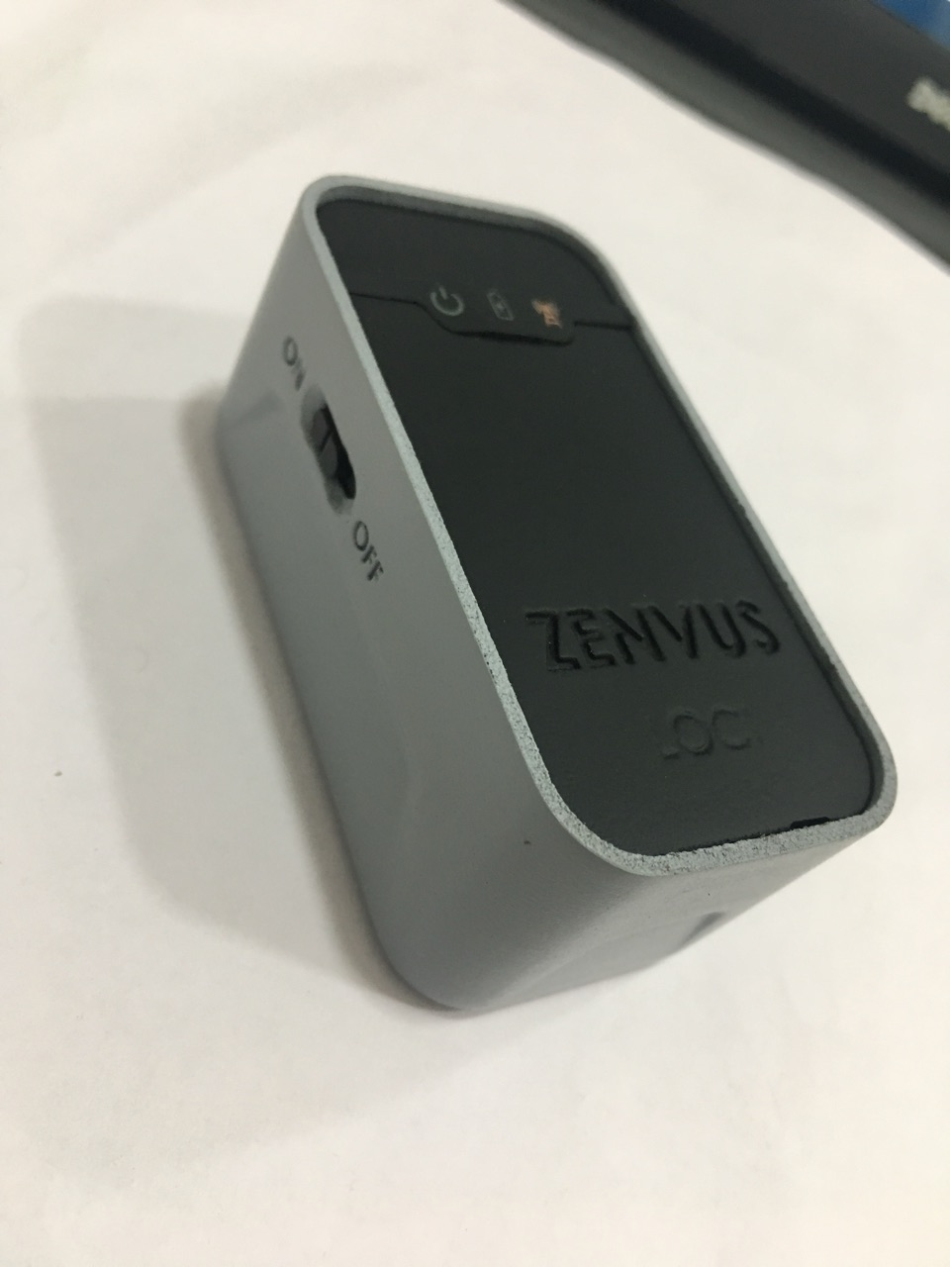
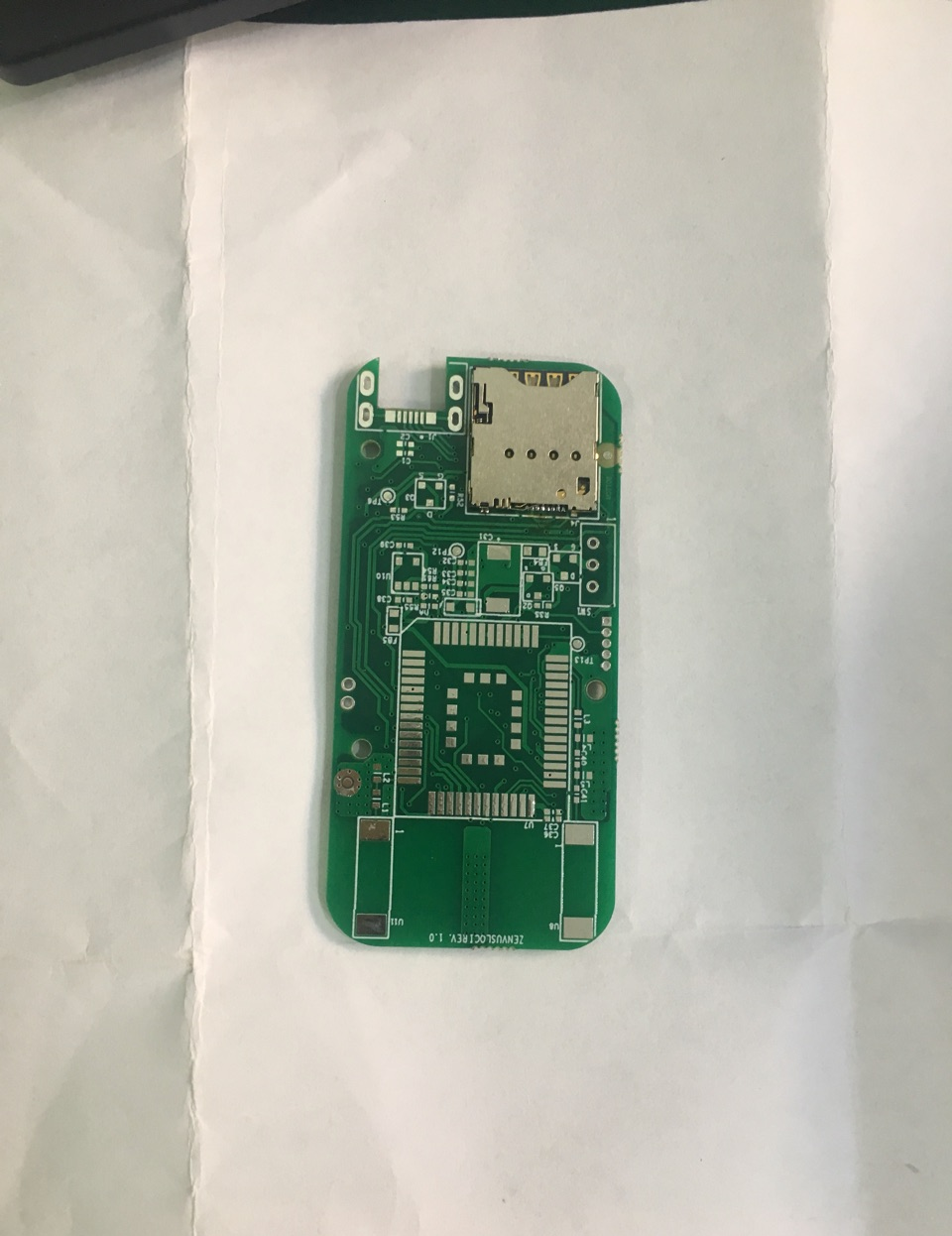
3D printed. Mass factory production will be neater and smoother


Zenvus Loci application areas


Zenvus Loci Product


Zenvus Loci 3D model
Dimension comparison with debit card

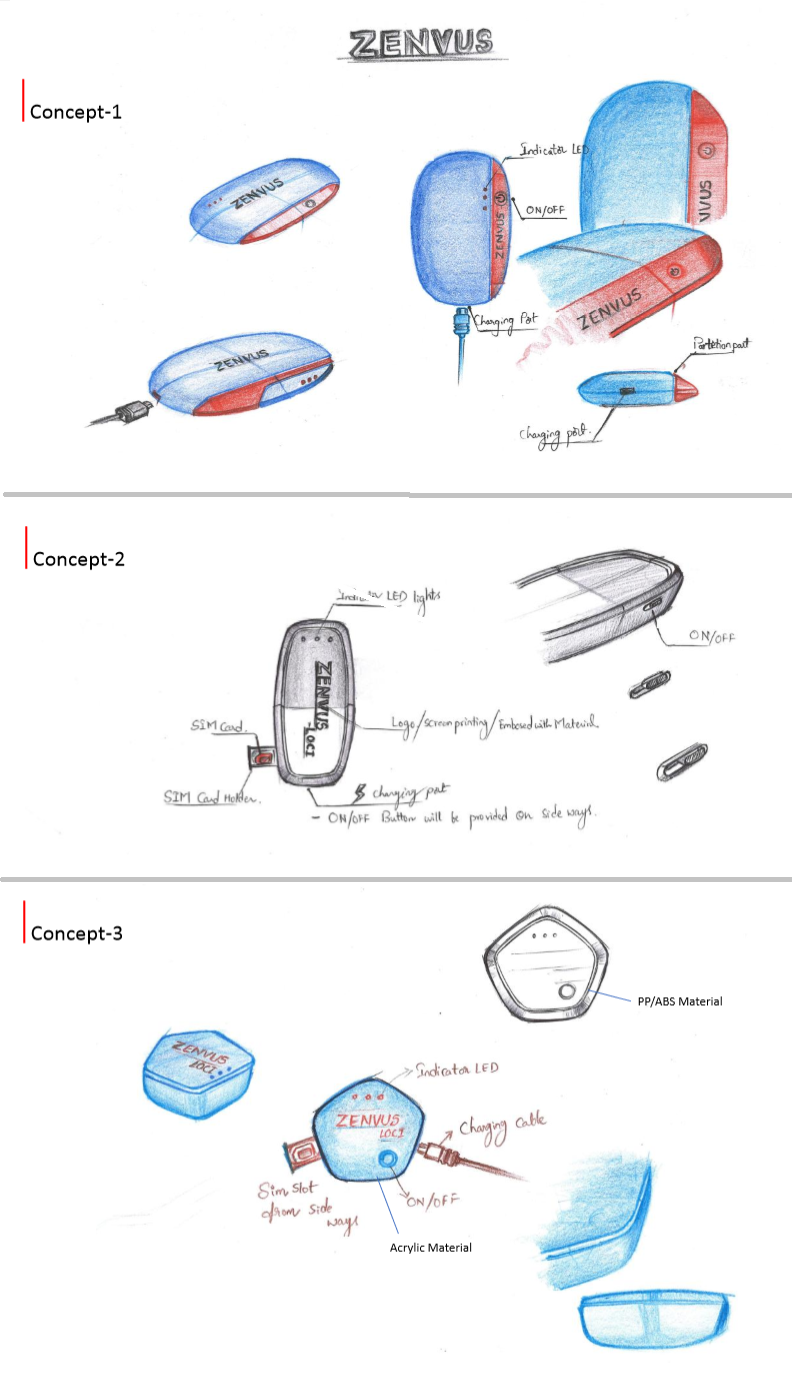
Zenvus Loci Sketches

Uganda’s Xente Shows Why Nigeria is Africa’s United States For Entrepreneurs

0

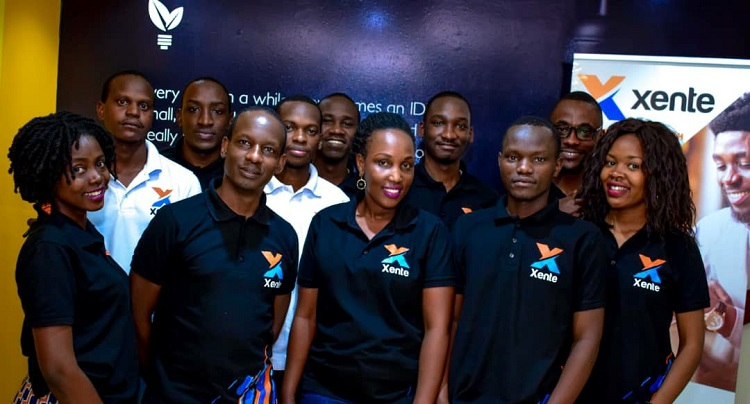
This is a very fascinating vision – a company that makes it possible for Nigerian customers to buy goods from Ugandan merchants and pay over time. The firm, Xente, explores Nigeria, out of its Ugandan root, just as Nigerian startups like to link into United States and United Kingdom.

Largely, if Nigeria gets itself ready, it can become the American to many Africa-nations entrepreneurs and startups. They see the big market and they are ready to roll in Nigeria. It is simply fascinating that someone will structure a deal to make it easier for Nigerians to buy from Ugandan businesspeople; give credits to these young entrepreneurs!

Ugandan startup Xente, which allows customers from all over the world to buy products from Ugandan merchants and pay in instalments with cards or mobile money, has expanded to Nigeria.

Mobile payments and shopping app Xente enables consumers and African businesses to transact efficiently and safely on any mobile channel without the need to use cash.

The startup has now made Nigeria its first market outside of Uganda, allowing users there to, among other things, purchase airtime from all major networks, pay for utilities such as electricity, water and pay-TV services, and pay for physical products at partner stores using their Xente wallet.

“We are proud to have a second home, nothing makes us more happy than to sit in Africa’s fastest growing economy. We are more than happy to provide every Nigerian citizen with a secure, convenient and stress-free online buying experience,” said Xente chief executive officer (CEO) Allan Rwakatungu.

Xente is Africa’s Alipay. Using Xente, customers in Uganda and, Nigeria can make payments in country and cross border for 100 + use cases using mobile money, bank cards, as well as on credit.

Grow With Kobo360 and Zenvus – #Kobo360Startups; Receive Growth Capital

0

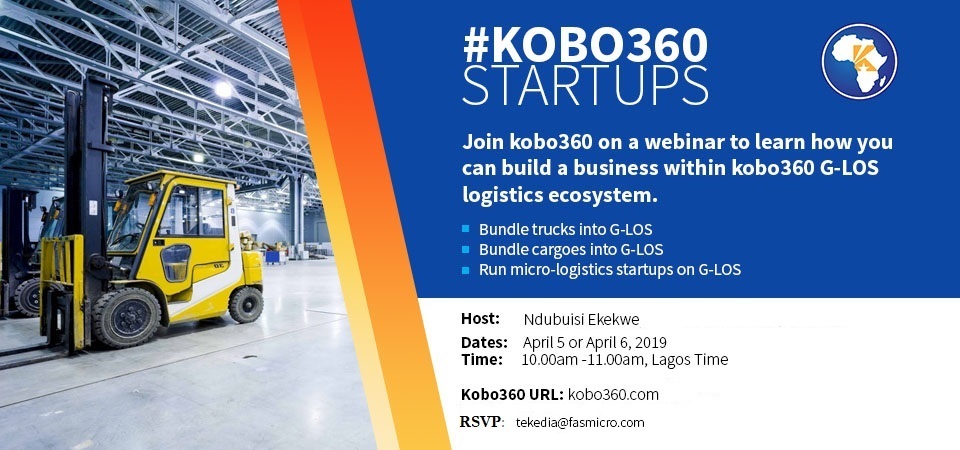
We have a very amazing opportunity which I am inviting the community. Simply, we are looking for partners that can bundle cargoes, trucks and run micro-logistics business on top of Kobo ecosystems. Partnering with Kobo provides a path for injection of capital into your micro-logistics business besides other benefits.

Through #Kurfman (Kobo Urban Rural Feeders Micro-Aggregation Network), we guarantee farming communities zero post-harvest waste if they integrate into the Kobo ecosystem. And through the same #Kurfman, we expand market opportunities for manufacturers of all sizes.

In Zenvus, we have realized that besides producing more in farms, you need ways to send produce to the cities or processing plants. #Kurfman, relying on Kobo G-LOS (global logistics operating system), fixes post-harvest waste in African farming communities.

On this Friday and Saturday, I will hold a webinar to explain the opportunities//benefits. You know someone who owns trucks, we want the trucks on Kobo G-LOS. You know investors [people with money] – we ask them to buy trucks and drop into Kobo G-LOS. And in your local community, you can run a startup, aggregating cargoes and farm produce, and put into Kobo G-LOS.

RSVP with my team – they will share the free webinar link.

Kobo360 is a tech-enabled digital logistics platform that aggregates end-to-end haulage operations to help cargo owners, truck owners and drivers, and cargo recipients to achieve an efficient supply chain framework. Through an all-in-one robust logistics ecosystem, Kobo uses big data and technology to reduce logistics frictions, empowering rural farmers to earn more by reducing farm wastages and helping manufacturers of all sizes to find new markets. Kobo enables unprecedented efficiency and cost reduction in the supply chain, providing 360-visibility while delivering products of all sizes safely, on time and in full. The Kobo mission is to build the Global Logistics Operating System that will power trade and commerce across Africa and Emerging Markets.

How Solomon King Benge is Preparing the Next Generation of Ugandans

0

By Nnamdi Odumody

Science education in many African and developing countries relies more on the theoretical aspect of imparting knowledge, aimed at cramming, rather than the practical one which builds problem solving, and critical thinking skills. This results to poor overall classroom performance, poor skills development, low job and career prospects, and weak economic development.

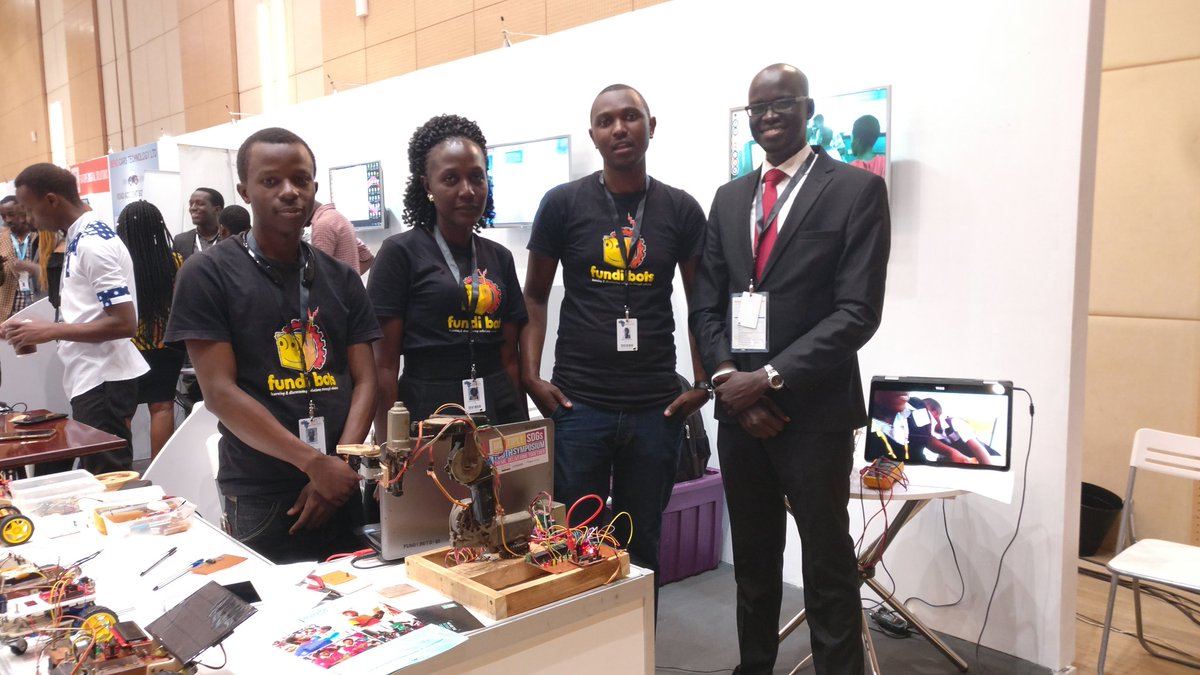
Fundi Bots, founded by a young Ugandan, Solomon King Benge, is on a mission to use robotics training in schools to create and inspire a new generation of problem solvers, innovators and change makers. Its hands on approach bridges the technology divide, between the classroom and the real world, providing training that is in line with recent developments, across the globe, to students, inside and outside formal academic institutions.

We provide hands-on, practical Science, Technology, Engineering and Maths (STEM)) education to children and youth in classrooms, communities and universities.

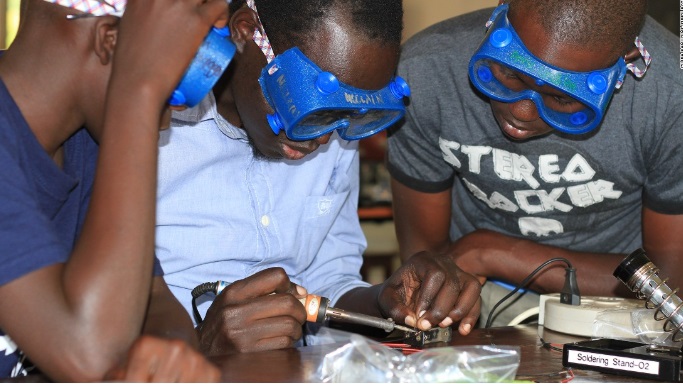
Our students learn how to build robots, which radically improves school curriculum knowledge, classroom performance, provides hands-on vocational skills and career development and empowers students to be forces of change in their communities.

The Fundi Bots learning model is practical, fun, engaging and puts students in a collaborative and exploratory learning environment that inspires them to think beyond simply passing classroom examinations.

Fundi Bots wants students and non-enrolled youths to learn practical skills and resources from day one and pass through an education, and career path, that teaches them to be excellent students in the classroom, innovative problem solvers in the real world, experienced and knowledgeable employees and exceptional technology entrepreneurs.

Fundi Bots session

Its school outreach focuses on providing awareness, knowledge and access to training and resources at the school level, and includes hands on robotics training workshops, speaker presentation, science project assistance and guidance, career and skills development, and mentorship.

Fundi Bots Integrated is a version of its enriched science curriculum that’s deeply integrated within the official government or school curriculum. It addresses the same topics and subjects that the school is following, but adds more layers of practical lessons, projects and deeper immersion within the sciences. The Fundibots After School Program is a special science club for students who want to go the extra mile in learning science beyond their classrooms and for parents who want their children to explore practical science education, beyond the standard curriculum.

Fundi Bots programmes have impacted 4,500 students across 75 schools, and it has 2 regional centers in Uganda.

Kudos to Solomon King Benge and his team for preparing the young ones with STEM skills which will help transform their nation in the Fourth Industrial Revolution.

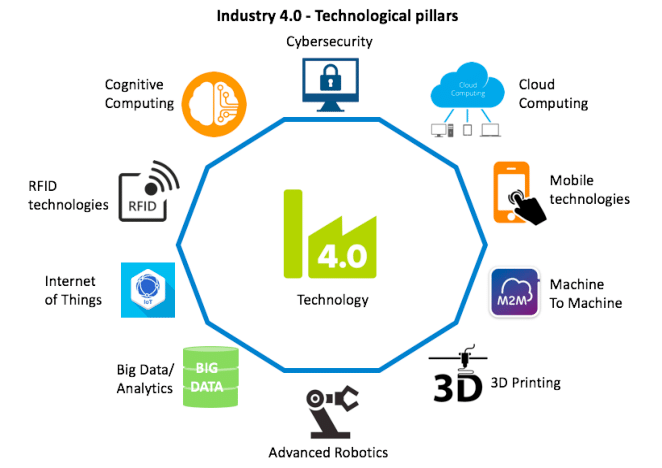
Technologies for industry 4.0 (source: researchgate)

Creating Jobs for Nigerian Youth in the Fourth Industrial Revolution