DD
MM
YYYY

PAGES

DD
MM
YYYY

spot_img

PAGES

Home Blog Page 6963

As Nigeria Now Subsidizes UK Healthcare Through Exodus of Its Doctors

0

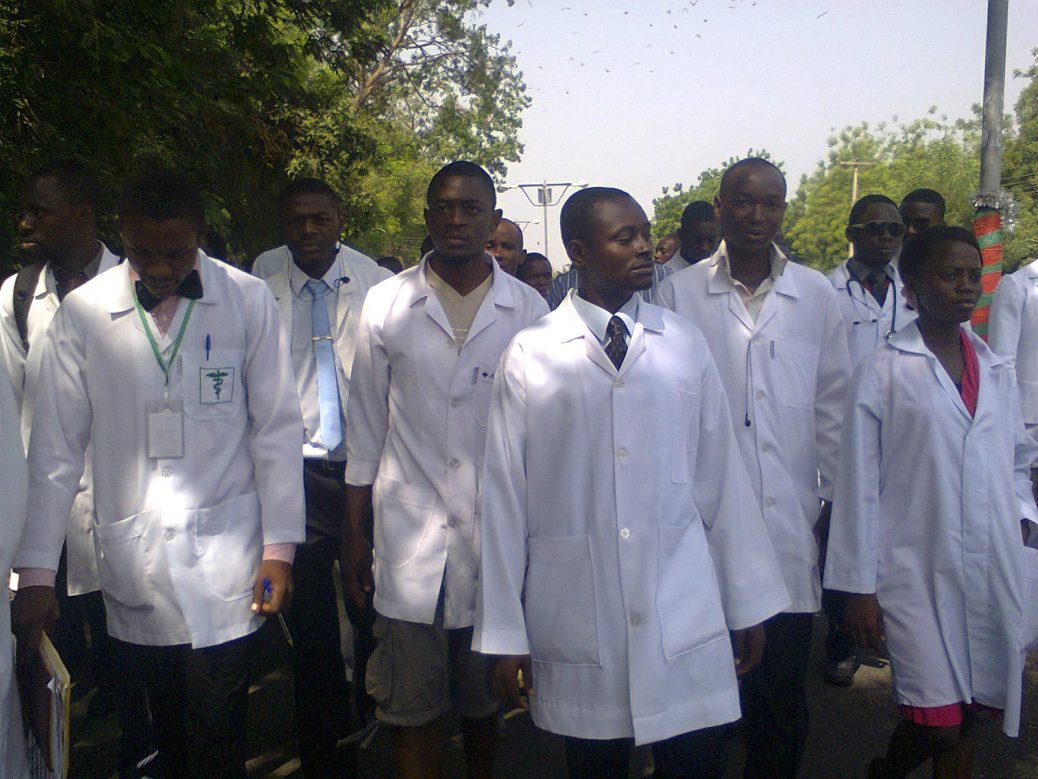
On March 14, 2019 about 6,244 Nigerian medical doctors will write UK PLAB 1 exam. That exam is the first step on the journey to emigrate to United Kingdom. Though data is not maintained by Nigeria (UK certainly has the numbers), Nigeria has about 5,000 medical doctors working in UK. In South Africa, we have also more than 5,000 medical doctors working there. Australia has its share, and Canada is enjoying a boom!

If you look at it from another angle, Nigeria is simply subsidizing UK healthcare system (and others) since medical education in Nigeria is heavily subsidized by government.  I estimate that it costs Nigerian government $100,000 to train a medical doctor in Nigeria, through subsidizes, and as soon as the doctors are trained, the nation loses them to UK and Canada.

This emigration is not happening as a result of over-capacity in supply – it is largely an economic immigration. Government has since neglected doctors. In Abia State, some doctors have not been paid for months. Under that challenging working environment, these extremely brilliant people leave the nation for better opportunities.

Our government must set up a task force to ensure the conditions of service of our doctors improve. A healthy nation is a wealthy one. We cannot afford to lose these doctors as the impacts are huge: many rural clinics and general hospitals in remote local governments have closed because of lack of doctors. This fight affects every Nigerian.

Nigerians’ Big Exodus To Canada

LinkedIn Comment on Feed

Comment #1. Maybe the only workable solution is for Nigerian government to make deals with the countries the doctors are emigrating to, by having part of their salaries repatriated; since it’s illegal to stop people from emigrating. The cost of education here is too cheap, but it’s very easy to argue that the sector is in ‘comatose’ or ‘nothing to write home about’, yet its products are good enough to work in developed nations; what a super irony!

The argument of better remuneration may no longer hold water, because if we really want to be sincere, the current remuneration is not justified by the productivity outputs in most of the government owned hospitals. We see these things, and there are cabals in every sector in Nigeria.

The government will never have enough money to meet all demands, so in order not to keep losing in all fronts, it’s either the cost of education is appropriately priced, or the beneficiaries that emigrated must make a mandatory repatriation of part their earnings in any country they are; so that the government will continue to train others to join them as well. Almost all the citizens of Nigeria are helping in finishing Nigeria off, and yet we keep pointing fingers at the ‘leaders’. Everyone is culpable here!

Comment #2. So this is the irony of the Nigerian working class, and particularly southern Nigerians. While Indian doctors are moving into Nigeria for opportunities, Nigerian doctors are looking elsewhere in UK, Australia and Canada. By the way it’s not like the productivity of these Nigerian doctors are that awesome or humanly. Good riddance….

Until Nigerians learn that Nation building is neither one man’s job (Government) nor another person’s responsibility, but a commitment to progress by all stakeholders, this emigration paranoia will see no end.Hopefully from a population of 200 million Nigerians UK, Canada, US accommodate 100 million or may 180 million Nigerians. Then it will hold water that indeed, emigration is a substitute for Nation building.

Again this brings to the front burner, the question of superiority of the white man’s sapient and whether indeed blacks or Africans really do matter.

Jumia’s IPO In U.S. Imminent As Basketball Superstar Andre Iguodala Joins Board

0

It is very evident that Jumia will like to list in U.S. as early as possible. How? It has brought Andre Iguodala into its Board. Andre plays for Golden State Warriors, an NBA team. I do think with Andre, Jumia will lift its brand in U.S. as it pushes for the journey to IPO, possibly in U.S. I do not think it makes sense to list Jumia in Germany since Rocket Internet, a part-owner of Jumia, is also trading in Germany.

Andre has a Nigerian root; his father is a Nigerian. He has invested in more than 40 technology companies. I do believe he might have invested in Jumia.

The Jumia Press Statement below.

Andre Iguodala, a member of the three-time reigning NBA champion, Golden State Warriors, has joined the Board of Directors of Jumia, the leading e-commerce platform in Africa. As Jumia’s ambassador charged with promoting business development and technology in Africa, Iguodala will bring his network in the technology industry, interest in Africa and vast experience as an athlete on one of the most successful teams in NBA basketball history.

Because of my Nigerian heritage, Jumia’s use of technology to deliver innovative online services to consumers and improve the quality of everyday life in Africa is very important to me,” says Andre Iguodala. “I’m thrilled to be a part of this unique enterprise that is shaping the future of digital Africa

In addition to his numerous basketball achievements, Iguodala is widely recognized for his interest and knowledge in technology and e-commerce. He has invested in over 40 companies through F9 Strategies, including GOAT, Zoom, HIMS, Lime, Walker & Co., Thrive Global, AllBirds, Casper, STANCE and Carta, to name a few. Iguodala has also partnered with Bloomberg to create the annual Players Technology Summit, which convenes top executives and leaders in the technology, venture capital and sports communities.

Noting the influence and appeal that the NBA star brings to the board, Jumia Co-Founders Sacha Poignonnec and Jeremy Hodara said: “Andre is a role model to many of us, and we are very proud to have him join Jumia and help us drive the company forward. We appreciate his commitment and passion for the tech industry and for Africa, and we can’t wait to collaborate and accelerate our impact on the continent. Finally, having Andre join our board sends the world the message that Africa has successful companies and great entrepreneurs, and that athletes can play a key role in contributing to their success.”

The Lesson from Gombe State on Development

1

By Nnamdi Odumody

The Northern Eastern Savannah region of Nigeria is a region which spans 30.8 percent of Nigeria’s landmass, with Chad Republic to the East, Niger Republic to the North and shares boundaries with Jigawa, Kano and Kaduna States to its NorthWest, and Plateau and Benue States to its SouthWest. With 15.3 percent of Nigeria’s total population, it has a density of 96 people per square kilometer compared to the national average of 219 people per square kilometer which has made it the most sparsely populated region in the country. Its life expectancy is 46 years which is the least in the country and GDP per capita of 171,000 naira is also the least in the country.

These factors coupled with a shrinking Lake Chad has forced herdsmen who depend on it for survival of their cattle to migrate down to other regions, and the Boko Haram menace which has plagued the region, for over 10 years, has compounded its woes, making it to contribute less to national productivity as investors will not invest in a place where insecurity is the order of the day.

But in this troubled zone, Gombe State under the visionary leadership of Dr Ibrahim Hassan Dankwambo, a former Accountant General of the Federation, has been transformed to the beautiful bride of the region despite receiving the second least federal allocation of all the states.

Gombe on Nigerian map (source: Wikipedia)

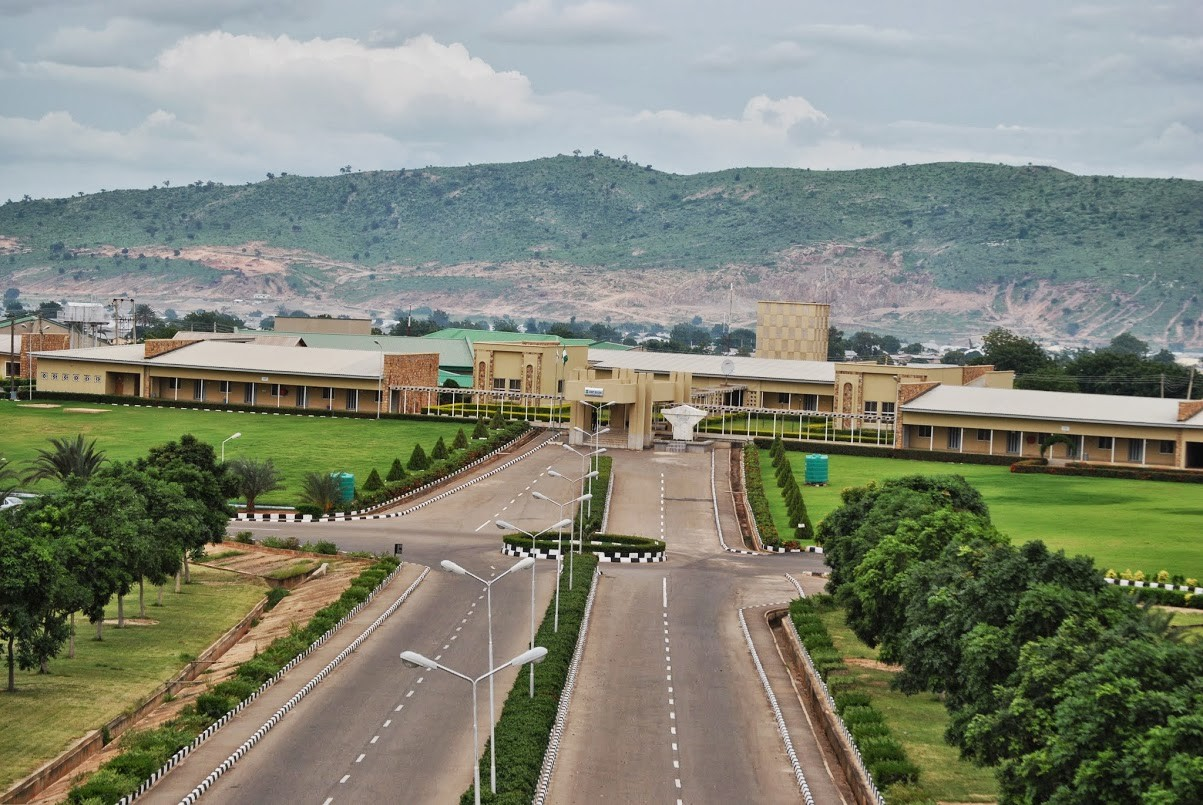
On resumption of office on May 29 2011, he declared Education as one of his cardinal objectives. He constructed over 502 classrooms across the state and recruited over 1,000 degree and NCE graduates into the state’s educations sector and then trained over 5,000 teachers to increase their productivity. To boost access to tertiary education for the citizens of his state, he established Gombe State University of Science and Technology (Kumo), College of Education (Billiri), Gombe State Polytechnic Bajoja which will provide manpower to the Lafarge Cement owned Ashaka Cement manufacturing company, and College of Legal and Islamic Studies Nafada. These institutions are equipped with modern facilities such as e-libraries, e-learning centres, ICT Centres, laboratories, expansive and conducive classes, etc. Also 25 indigenes of the state were sponsored by him to India and the United Kingdom for Maritime Studies.

In Healthcare he upgraded the Urban Maternity in Idi to a Children and Women Hospital, completed a newly constructed Dialysis Centre within the Gombe Specialist Hospital, constructed College of Nursing and Midwifery at Dukku, Snake Bite Treatment and Research Centre, Kaltungo to tackle the prevalent scourge of snake bites in his state, and other parts of the region. Patients from Cameroon even come down to Gombe to receive treatment at the centre.

To make his state a destination for Meetings, Incentives, Conferences and Exhibitions, he constructed a 3,500 capacity Gombe International Conference Centre. This conference centre is currently ranked among the top three in the country with state of the art facilities and a parking space for 2,000 vehicles at a go to make your event memorable. Also, he built a state of the art tankers parking bay to prevent accidents caused by indiscriminate parking of petroleum trucks which Lagos can learn from. Lagos continues to experience paralyses petroleum tankers perpetuated on its roads especially in Apapa axis and environs.

To tackle the scourge of youth restiveness which was prevalent in his state with the Kalare Boys, he established Talba Youths Reorientation and Rehabilitation Programme which saw over 1200 of them being turned to become useful citizens in the society. Also repentant Boko Haram members are de-radicalized and trained in different skills in Gombe. Over 3200 youths have been trained by his administration in six different professions at the four skills acquisition centres located across the state. A total of 330 supervisors were trained at the Citizenship and Leadership Training Centre in Jos, and over 1500 youths were recruited to serve as traffic, environmental and security marshals in Gombe.

In Social Security he empowered 1500 poorest of the poor through the Conditional Cash Transfer and also for the physically challenged beggars in the state with cash, and making sure they send their dependants who assist them to school.

To also boost Job creation in his state, he established in conjunction with private investors, the first tricycle assembly plant in Nigeria while Gombe has been earmarked as one of states that will have a Special Economic Zone for the North Eastern Region due to its peaceful environment as part of the Federal Government’s plan to diversify the economy through industrialization.

The crisis-ridden states of Northern Nigeria and some in the South should learn from the Jewel Of The Savannah why peace is the foundation for sustainable development.

The Emerging Disruption of Cattle Industry

0

By Nnamdi  Odumody

Recently, Nigeria has turned into a theatre of bloodshed, as the survival of cattle reared by Fulani herdsmen in the predominantly Northern region has led to loss of lives. This paralysis is partly a result of the shrinking Lake Chad, in the Chad Basin Sahel Region, leading to herders migrating down to the fertile plateau of the Middle Belt and the coastal Southern Region. Also, rapid urbanization has led to the loss of previous grazing reserves that were mapped out by colonial administration for cattle farmers.

All over the world, countries that are economically dependent on cattle to an extent like Botswana, Uruguay and Argentina have adopted advanced technologies to boost cattle rearing. But in Nigeria, the reverse is the case here due to the fact that Fulani cattle farmers are not educated to utilize and adopt these methods which have transformed the  sector around the world.

But while we in Nigeria are still dependent on cattle, as our primary source of protein, the future of cattle is bleak, as environmentalists and food technologists concerned about climate change have created a paradigm shift, because if cattle were their own nation, they would be the world’s third largest greenhouse gas emitter. Beef uses 33 percent of all water for farm animal production which is not sustainable in a region threatened by desertification that has led to loss of arable land. Twenty five  percent of earth’s land area is pastureland while the demand for beef is projected to grow by 95 percent in 2050.

A company known as Memphis Meats develops technology to engineer real meat, without animals, by farming animal cells in a lab without the need to feed, breed and slaughter livestock. Its technology requires up to 90 percent less greenhouse gas emissions, land and water than conventionally produced meat.

Also in replacing cattle leather, Modern Meadow applies advances in tissue engineering to produce cultured leather that requires no animal slaughter and much lower inputs of land, water and chemicals than conventional methods. The process is called biofabrication. It uses living cells to grow collagen, the same natural protein found in animal skin, assemble it into a sheet of synthetic leather and finish the aesthetics with a tanning process.

Biofabrication (source: Lexology)

With the two examples above, it is evident that the demand for cattle, globally, will shrink in coming years due to environmental concerns as people are becoming more conscious of practices which are harmful to the environment causing carbon emissions.

The Miyetti Allah Kautal Hore group which is the umbrella body of all the Fulani herdsmen needs to study global developments which are aiding smart cattle rearing using advanced technologies like the Internet Of Things and Blockchain. They technologies help to notify farmers of changes in weather patterns which could affect their cattle from getting access to food and water as they move from one location to the other while tracking their cattle in real time, and responding to threats like cattle rustlers, etc. Government has a role to help these farmers to redesign their processes to ensure the endless killings stop in Nigeria.

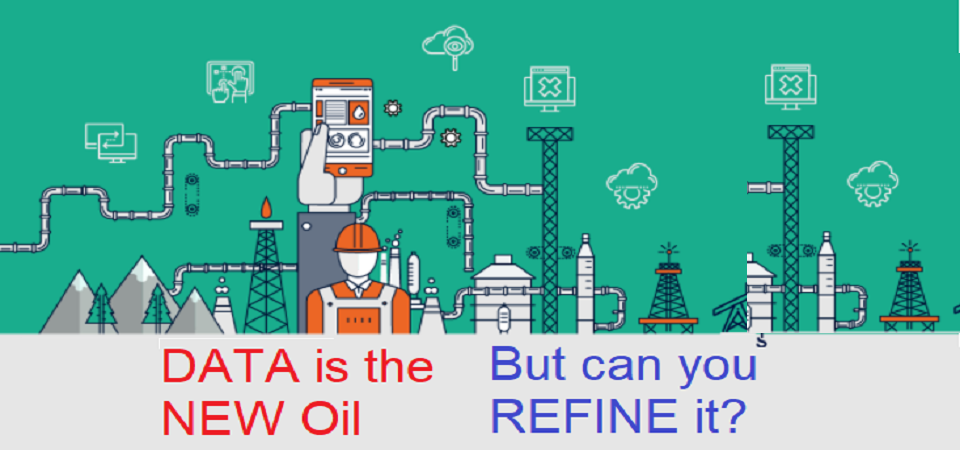
Data as Differentiator for Effective Digital Transformation in Oil Industry

0

By Emmanuel Udeh

Digital transformation is a predominant trend impacting today’s global business. Historically, the Oil and Gas Industry has always been a leader in the application of technology to achieve business value. However, the implementation of digital solutions has been slow in the oil sector even though it has transformed other sectors like Banking, Healthcare and Sports.

With the decline in oil prices since 2014, the oil industry has aggressively pursued several measures to help the industry return to profitability. Oil and gas companies have started adopting digital solutions to gain operational efficiencies through improved use of technology. This is evident in the increased innovation and collaboration throughout the industry, which has created new revenue opportunities for both operators and service providers alike.

Digitalization has the potential to transform the upstream industry’s fortunes by substantially improving capital efficiency, lowering production costs, and reducing the time it takes to deliver new oil. To effectively capture the value of digitalization, the oil industry needs to look beyond embracing specific digital capabilities but implement a comprehensive roadmap towards digital transformation centered around people, processes, technology and of course data!

Digitalization and Digital Transformation

Digitalization, according to Gartner, Inc., is the process of employing digital technologies and information to transform business operations. Whether by optimizing production rates to improving ultimate recovery factors or by reducing equipment downtown through predictive analytics of data, the industry is already seeing examples of companies that are applying digital solutions in smart, innovative ways to transform and generate tremendous opportunities for their business.

One of this is Chevron’s seven-year strategic partnership with Microsoft. This digitalization initiative aims to leverage Microsoft’s powerful cloud computing and analytics to drive efficiency and streamline production operations.  Another  good example is Equinor’s use of a digital twin to  maximize production, cut costs and ensure safety on its massive Johan Sverdrup field which will account for 20 to 25 % of Equinor’s total offshore production in the plateau period.

To tap transformational benefits, upstream companies need to understand the current challenges they face, decide the potential impact of digitalization on their business and how best to benefit from it. Of course, digital technologies are nothing new to the oil industry. Technology has been used for several decades in our industry in automating and simplifying processes. Sophisticated sensors on drilling and facilities equipment are already standard tools, reservoir modeling and simulation software are used to analyze current and historical data to select the most economic method of developing a field.

Effective implementation of a strategic digital transformation program will help Oil and gas businesses re-align core business processes, which will integrate operations and analytics in a smart and simple approach to accelerate innovation, harness assets and drive real-time insights. This will, in turn, lead to lower costs, greater efficiency and increased collaboration between their partners, suppliers and customers.

A recent study by market research and analytics firm Kimberlite found that offshore oil and gas operators experience, on average, $49 million annually in financial impacts due to unplanned downtime. For the worst performers, the negative financial impact can be upwards of $88 million. The effective use of digital technologies in the oil and gas sector could reduce capital expenditures by up to 20% and cut upstream operating costs by 3-5%, according to a report by consulting group McKinsey

Impact of Data

Data is not just a key part of digital transformation. It remains a constant denominator across the entire process of achieving both specific and enterprise-wide digital transformation goals such as improving operations, innovating or realizing competitive advantages. Whether it’s used to optimize performance forecasts, enhance oil recovery, or implement predictive maintenance, data is required to make critical decisions which can help oil and gas businesses gain a competitive edge over their industry peers.

Just as organizational decision-making requires data, digital transformation needs digital and digitized data. However, Forbes estimates that 7 out of 8 digital transformation programs fail and that may be because they do not start with data. Most organizations begin their digital transformation journey without thinking about the data which is the lifeblood that connects systems, processes and technology. Whether it is workflows improvement, predictive analytics, asset integration and optimization, high-quality data is the critical defining factor for any successful digital transformation.

The oil industry generates and analyses data for numerous specific purposes, most times applications of digital technology on data have been directed in solving specific challenges or optimizing identified opportunities in specific parts of the business. A data centric approach towards digital transformation, which seeks to collect, integrate and utilize vast amount of data in a holistic manner is critical for oil companies to remain profitable and gain operational efficiencies through improved use of technology.

For the oil and gas industry to succeed in its digital transformation journey, it needs to start off by comprehensively defining a data driven roadmap towards digital transformation. This usually requires an in-depth understanding of their current position in the digital value chain, the associated technology critical in this journey and from there, map the data requirements that will potentially impact both internally and externally this organizational change process.

A revised approach that starts with data will ensure that digitization and digital transformation deliver the expected results and help companies streamline, automate and optimize business processes to become smarter, faster, and simpler!