DD
MM
YYYY

PAGES

DD
MM
YYYY

spot_img

PAGES

Home Blog Page 6996

Coca-Cola Acquires Nigeria’s Chi Ltd, Maker of Chivita and Hollandia; Plans To Scale Brands

0

Coca-Cola has acquired Nigeria’s Chi Ltd, the maker of Chivita juice and dairy brand Hollandia. Chivita is a category-king brand which actually knocked out Five-Alive brand in Nigeria. It has the best advertising model in the nation and continues to deepen its “freshness”.

Yet, in the short history of FMCG in Nigeria, when multinationals acquire our local brands, those brands rarely survive. I am hoping that Coca-Cola will deliver a different result with Chi. Chi Ltd has been in business since 1980 and has actually done well despite the challenging operating environments.

North and south, this is something to celebrate because it means from Atlanta USA, many still believe in Nigeria despite whatever CNN is breaking now as hard news on the nation.

The Coca-Cola Company today announced that it has completed its acquisition of Chi Ltd. in Nigeria. Coca-Cola first announced a minority investment in Chi three years ago and, as planned, has now acquired full ownership of the company.

Chi is recognized in West Africa as an innovative, fast-growing leader in expanding beverage categories, including juices, value-added dairy and iced tea. The company, founded in Lagos, Nigeria, in 1980, produces juice under the Chivita brand and value-added dairy under the Hollandia brand, among many other products. Coca-Cola acquired a 40 percent stake in Chi in 2016 from Tropical General Investments Group, the holding company for Chi Ltd. Juices and value-added dairy categories rank among the fastest-growing beverage segments in Nigeria and Africa.

This acquisition further signals Coca-Cola’s optimism about Africa’s consumer opportunity and a commitment to its long-term investment and growth plan on the continent, where it has been present for more than 90 years.

“Coca-Cola is continuing to evolve as a total beverage company, and Chi’s diverse range of beverages perfectly complements our existing portfolio, enabling us to accelerate expansion into new categories and grow our business in Africa,” said Peter Njonjo, president of the West Africa business unit of Coca-Cola. “We will support the Chi management team in building on the company’s remarkable heritage and achievements, while using the scale of the Coca-Cola system to replicate their success in more markets across Africa.”
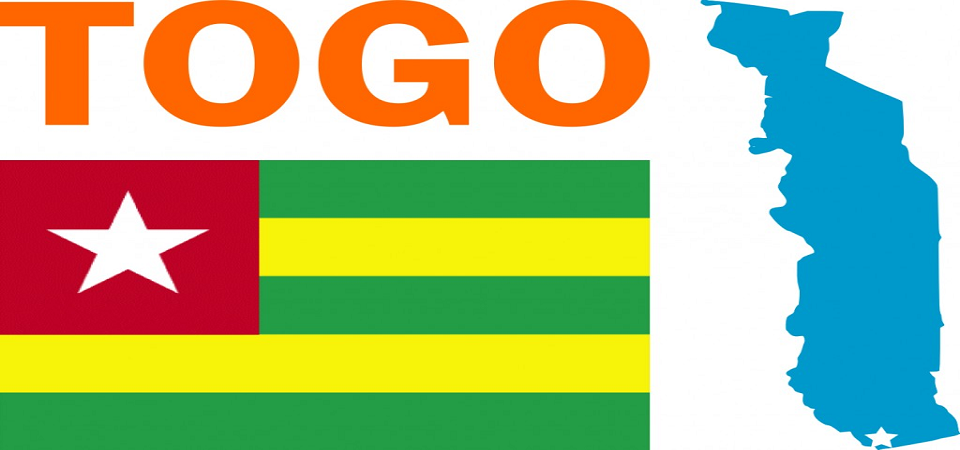
Kobo360, Nigeria’s Digital Logistics Pioneer, Arrives Togo

0

Ndubuisi Ekekwe had since resigned from Kobo360 board.

It is official – Kobo360, the African digital logistics pioneer, is now in Togo.  This is coming after raising $6 million from World Bank IFC last month.

Kobo360 is a tech-enabled digital logistics platform that aggregates end-to-end haulage operations to help cargo owners, truck owners and drivers, and cargo recipients to achieve an efficient supply chain framework. Through an all-in-one robust logistics ecosystem, Kobo uses big data and technology to reduce logistics frictions, empowering rural farmers to earn more by reducing farm wastages and helping manufacturers of all sizes to find new markets. Kobo enables unprecedented efficiency and cost reduction in the supply chain, providing 360-visibility while delivering products of all sizes safely, on time and in full. The Kobo mission is to build the Global Logistics Operating System that will power trade and commerce across Africa and Emerging Markets.

From the KoboSquard Commandant, Obi Ozor (Kobo CEO):“This is part of our expansion across Africa which has been in effect since 2018….Our mission is to build the global logistics operating system that will power trade and commerce across Africa and emerging markets. Togo is a key part of that drive.”

We are coming Ghana, Kenya, etc…

I seat on the Board of Kobo360 as an Independent Director.

iPhone Reaches 900 million Installed Base

0
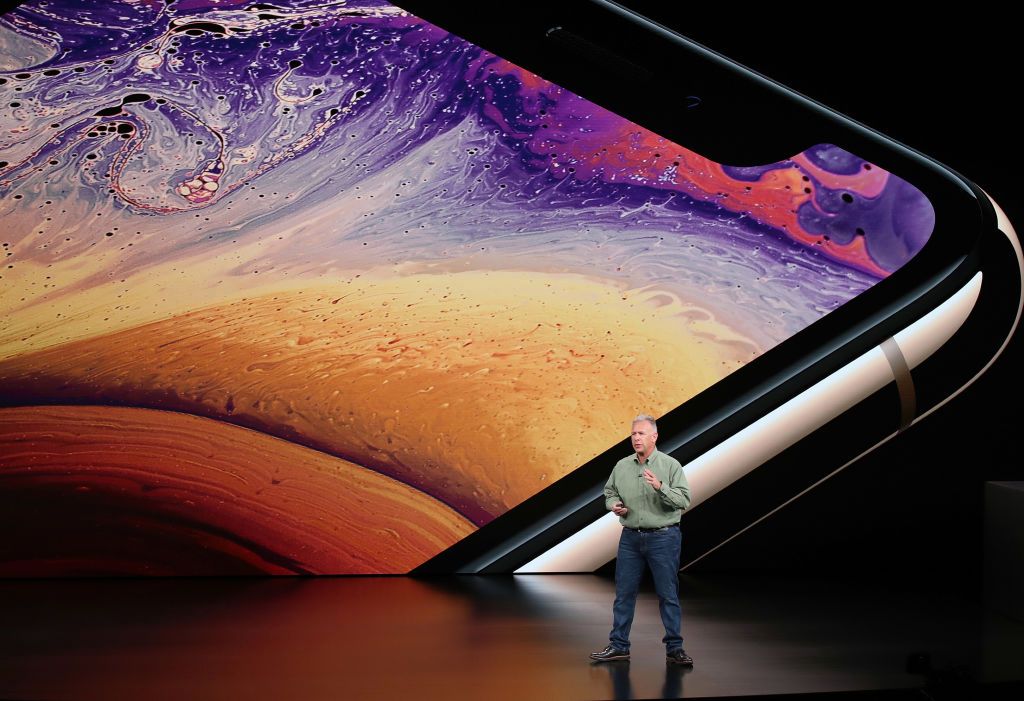
CUPERTINO, CALIFORNIA - SEPTEMBER 12: Phil Schiller, senior vice president of worldwide marketing at Apple Inc., speaks at an Apple event at the Steve Jobs Theater at Apple Park on September 12, 2018 in Cupertino, California. Apple is expected to announce new iPhones with larger screens as well as other product upgrades. (Photo by Justin Sullivan/Getty Images)

More than 900 million iPhone devices are actively installed around the world. For comparison, as at May 2017, there were more than 2 billion Android devices in the world that were active monthly. If you expand that to a year, you may have up to 2.2 billion Android devices active yearly. This disparity is the reason Apple needs to open its ecosystem to compete for services which is growing in the company.

It’s not surprising that Apple has a massive active install base of iPhones across the globe, but we now finally have an exact number to put behind it. During its Q1 earnings call, CFO Luca Maestri shared the install base for the first time.

“Our global active install base of iPhone continues to grow and has reached an all-time high at the end of December,” Maestri said. “We are disclosing that number now for the first time; it has surpassed 900 million devices.”

LinkedIn Comment on Feed

That’s a good number for Apple anyway, considering its exclusive and premium nature, and yet with almost a billion users worldwide. As Apple gains ground on its services division, it doesn’t really need to open up completely its ecosystem for all comers, because that could also hit its brand perception; a more slippery path to go.

It’s poised to lower the prices of iPhones, but it must be done strategically, in order to maintain its aura and class. iPhone/iOS is never Android, and there’s no need to become one. Just create another business model innovation at your own level, it doesn’t necessarily have to mass-produce in order to command big market share in its services division, just little adjustment here and there should be enough.

Tough Challenge for Tecno As Xiaomi Arrives Africa

0

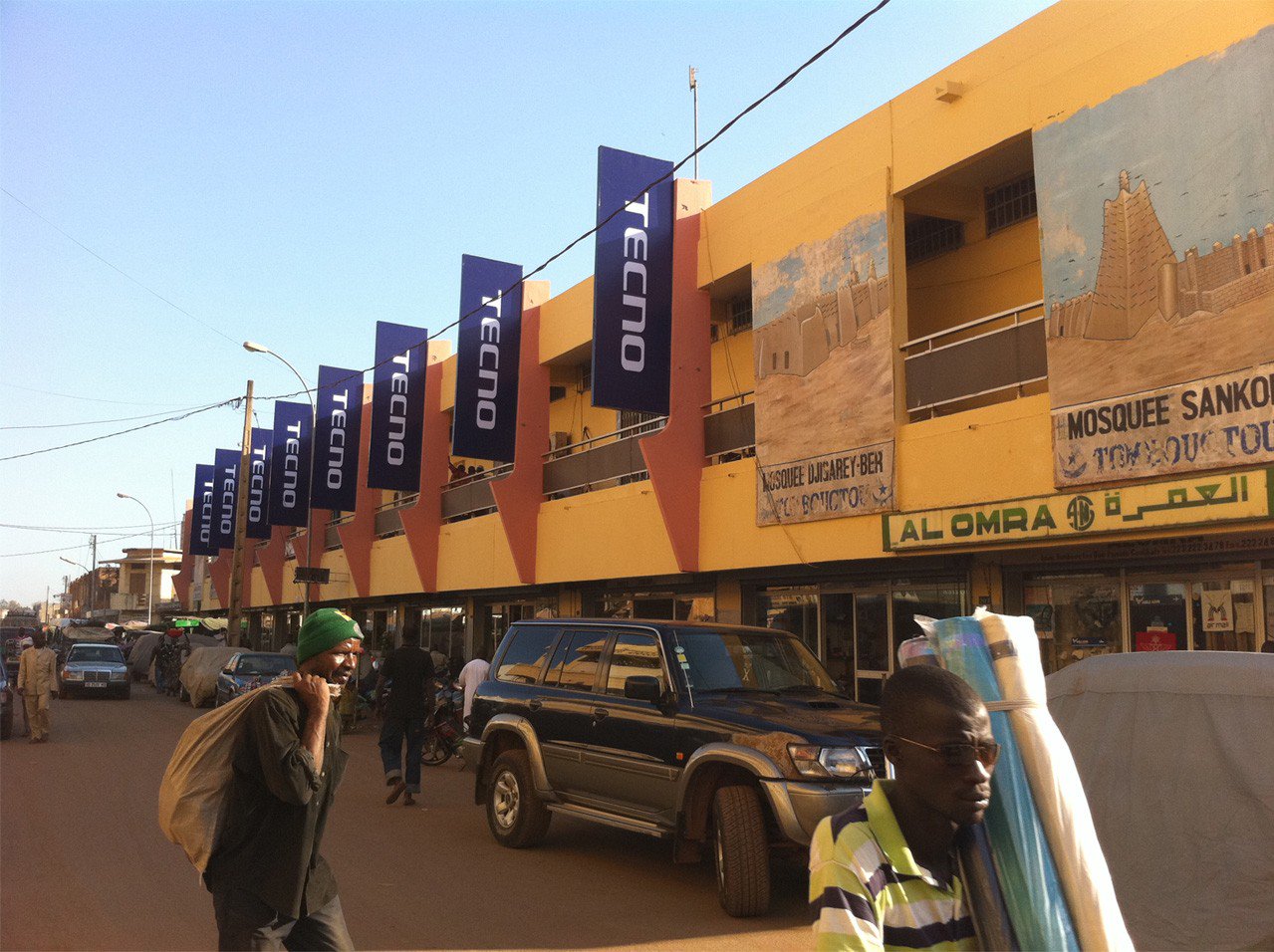
Tecno, the leading smartphone brand in Africa, controlled by Transsion Holdings will face a real test as Xiaomi arrives Africa. Xiaomi has done well in China and India but needs further growth. That growth cannot come from North America and key parts of Europe since the brand is largely banned in those regions over IP related issues. So, when all the permutations are done, the core critical market to explore is Africa. Hence, the maker of Mi phone brands is arriving.

Xiaomi says it’s launching a department in Africa, which will be headed by its current vice president. While the company has been selling phones in the continent since 2015 through local partnerships, the new department marks its official venture into the area.

{…]

Xiaomi is famous for making cheap handsets even though, recently, it’s been trying to move to the higher-end segment and sell more expensive, fancier phones. That doesn’t mean it’s given up on cheap phones. The company spun off a separate brand named Redmi, which focuses on making lower-priced phones. The first Redmi phone launched in early January features a 48MP rear camera and a midrange Snapdragon 660 chipset for just US$145.

There is still a huge opportunity ahead as Africa remains a growth market and despite the strong competitive position Transsion occupies with its brands, anything can happen in the smartphone sector. We used to have Nokia controlling more than 90% of the feature phone market. Then, Blackberry ruled and dominated a nascent smartphone market. Samsung later took over, but then lost its top position to Tecno. Simply, Xiaomi should take its chances.

As these phone brands make Africa home, the immersive connectivity convergence will happen, as predicted, in 2022. Across board, Africa will win when there is competition. Yet, I am hoping that we can have local players in the continent as part of this rivalry.

Why Nigeria Is The Best Place To Invest In?

0

by Olayinka Oduwole

I recently read a Tekedia brief where the writer mentioned that Nigeria is the best place to invest. The author mentioned that open friction exists within the markets which therefore gives rise to various opportunities. In his words, ‘in Nigeria, there are acres of diamonds everywhere. From our food systems to our healthcare systems, from our road systems to our power systems, from our educational systems to our aviation and indeed everything, you see frictions everywhere. That is why Nigeria is the best place to invest.’

I pondered about these statements for a while and got to the realization that it requires a different level of thinking to make these assertions. To an ordinary Nigerian, there is no power. Individuals and families therefore need to purchase fuel to run their generators. The health care system is broken. Food prices could skyrocket at any point. ASUU could go on strike at any point. To the average Nigerian, these are problems and problems that the Government needs to fix. As a matter of fact, they cannot see beyond these problems. And it is indeed frustrating. And in that state, all you can therefore do is lament and complain about how broken the system is and perhaps think of a better destination to relocate to where life may be better.

But, for an individual like Prof, who’s on a different wavelength, he sees these problems, not as problems, rather as business opportunities. The inadequacies of the Government means that Individuals with foresight and the right vision can therefore step in, look for solutions to these problems and enjoy the diamonds that indeed exist everywhere. The catch is that not everyone can see the diamonds because the diamonds lie beyond the problems. That is, you hit a diamond only after you successfully proffer a solution to the problem.

He also mentioned that few things work in Nigeria which therefore makes it a country with the biggest problems to be solved in the world. This statement alone can cause some families to consider relocation to a different country with perhaps the smallest problem in the world. The issue here is, from my experience, comfort destroys creativity. When you are very comfortable, your brain automatically goes into sleep mode. A country with the smallest problem also mean that the problems have been fixed for you and therefore present the smallest opportunities for finding diamonds. But in a country with the biggest problems, if you can see beyond the problems and get creative, then you realize that the biggest problems in essence presents the greatest opportunities.

He further mentioned that the new set of Nigeria leaders need to be bold to fix these challenges. We are indeed our biggest fear. And the moment an individual can overcome that fear, then we shatter whatever glass ceiling lies and suddenly realize our strengths.

To conclude, even though we see the same things, we however see them differently; you may choose to see problems while someone else sees opportunities. Therein lies our differences and opportunities to either grow or reduce. If one can see the bigger picture in situations, then one can indeed make lemonade anytime life throws you lemon.