Amazon reported that it has sold more than 100 million devices with Alexa, its voice assistant technology. In other words, Amazon has in 100 million “computers” the elemental form Africans have been communicating for centuries: voice. Yes, for centuries, Africans have preferred voice for practically everything: property rights documentation, education, and war strategies. Except the Ethiopians, no African culture invented any indigenous way of writing at scale.
More than 100 million devices with Alexa on board have been sold. That’s the all-too-rare actual number that Amazon’s SVP of devices and services, Dave Limp, revealed to me earlier this week. That’s not to say Amazon has finally decided to be completely transparent about device sales, however. While the company claims it outstripped its most optimistic expectations for the Echo Dot during the holiday season, Limp wouldn’t give a number for that. Instead, Limp says, Amazon is sold out of Dots through January, despite “pushing pallets of Echo Dots onto 747s and getting them from Hong Kong to here as quickly as we possibly could.”
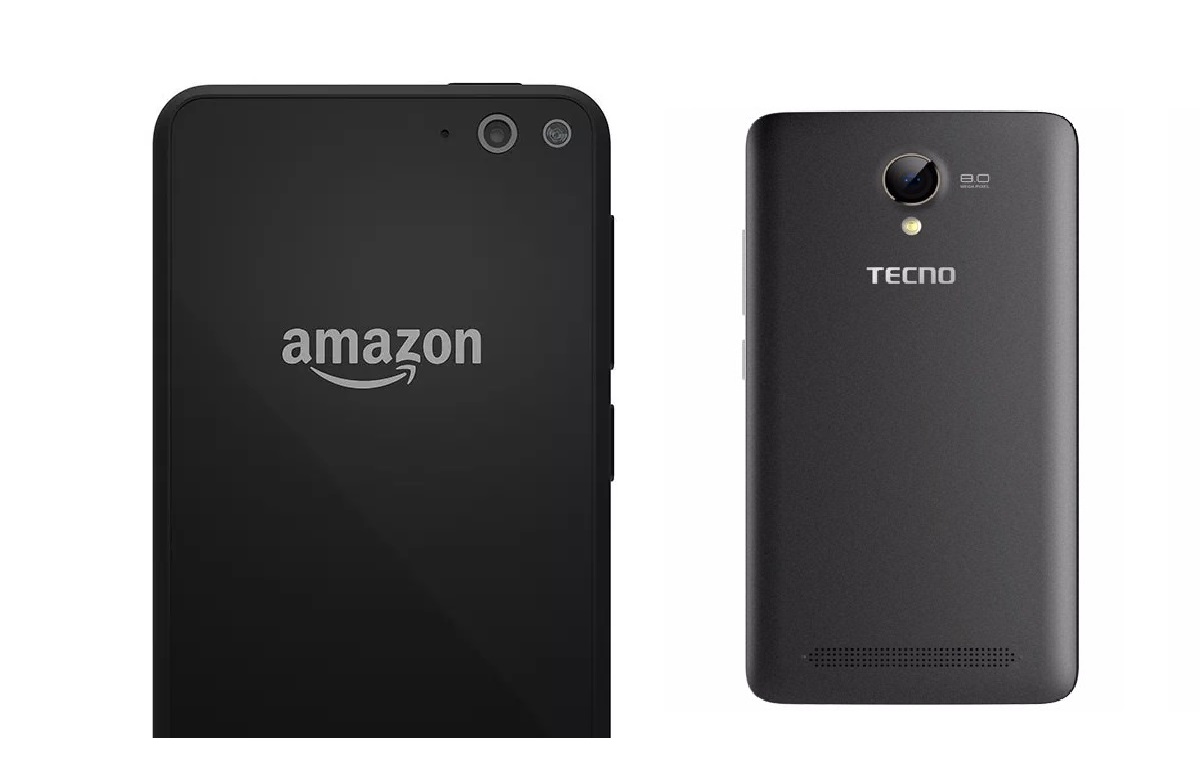
Now, imagine if Amazon decides to make really affordable smartphones specifically engineered for Africa. Great things can happen. If it does that, it can use the Amazon Alexa on smartphone to enter the Africa ecommerce market. I do believe vividly that it would have a really great chance. Today, its smartphone market share in Africa is 0%, but that does not matter for a company with tons of money.
I personally still believe that Amazon will bring ecommerce operations to Africa once the dust settles in India. One way it can create differentiation could be the way it conducts that business. A voice commerce integrated on Amazon visual commerce (yes, vCommerce) where the business is done via voice and visual would create a new level of separation, engineering disruption for a continent that remains largely not-well educated.
The present model of ecommerce was built on text. Of course, we know that it has many limitations. If you see a product but you cannot figure out the name or how to describe it, you would be out of luck. Never take for granted that it requires a certain level of skill to design search queries. So, the news that Snapchat is moving into the space, to use visuals to drive and anchor the search is interesting. Simply, you can visually search for most things and that will help the discovery process at scale. This is visual commerce (vCommerce) at infancy when ecommerce integrates visuals over text-based descriptions.
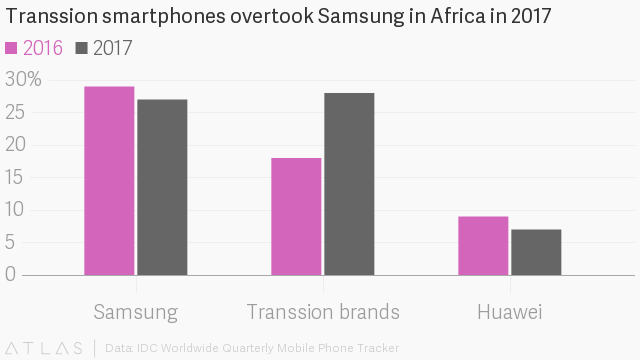
Of course Samsung has Bixby, Apple has Siri, and Google has its own. But the fact today is that Amazon Alexa is extending the competitive gap. If that dominance continues, it can make Alexa another modern operating system. And it is very possible that any operating system built on voice will win in Africa. That is why Tecno, Samsung and Huawei – the leading smartphone brands in Africa – should take note, because the future belongs to voice computing especially in Africa.
There are many opportunities in the voice assistance space in Africa. In short, if you make it, you will get customers even in the enterprise market. The following are simple examples:
- Banks working on agency banking will adopt the technology to reach customers who are largely not literate enough
- Insurance firms will also use it to build new solutions, based on voice
- Many government services will move from text to voice, solving the illiteracy barrier
- Africa’s leading ecommerce companies like Jumia and Konga will come on board. Of course, you must make sure such a technology works with our accents
There is a shift in computing at the consumer level, where people can talk to their phones and the phones get things done.
After posting this piece, I saw this via TechCrunch on Marc Andreessen prediction. Watch out, the future’s voice.
On audio:
“The really big one right now is audio. Audio is on the rise just generally and particularly with Apple and the AirPods, which has been an absolute home run [for Apple]. It’s one of the most deceptive things because it’s just like this little product, and how important could it be? And I think it’s tremendously important, because it’s basically a voice in your ear any time you want.
For example, there are these new YouTube type celebrities, and everybody’s kind of wondering where people are finding the spare time to watch these YouTube videos and listen to these YouTube people in the tens and tens of millions. And the answer is: they’re at work. They have this Bluetooth thing in their ear, and they’ve got a hat, and that’s 10 hours on the forklift and that’s 10 hours of Joe Rogan. That’s a big deal.
LinkedIn Feed Comment
1. The Alexa concept is a good one: freedom and choice are prime aspects of value creation. Once you hit those bull eyes in your innovation journey, you could well be smiling to the banks. On counting the numbers, one should not also lose sight of the experimental disposition of the ‘big’ markets. So many buy, not just to get value but to experiment, appraise and critique. Millions of dollar are spent on such dry run aspects which of course are recorded as user-customer utility sales.
It will be nice to see how Alexa and the likes will deepen in Africa where communication to some extent is not properly codified or say standardized- using Nigeria as a case. Voice recognition softwares first turn speech into text before they execute.
I am curious to know what will happen when a typical Nigerian says ‘I’m coming’ while in essence they are going away. What will Alexa do? Can Alexa decode the human aspects of voice which saddles the African communication behavior?
2. The challenge is in introducing products that are supremely affordable for African consumers. It is not enough to love voice over text, the willingness to pay a fair price must be factored. If the details of the 100 million items sold were to be available publicly, don’t be surprised that they were more or less all bought by those who can read and write, and not by Africans who are in love with voice based transactions.
Amazon will come to Africa, but the fact that it is not in a hurry to do so shows that Africa remains just a promise: high volumes with little purchasing power.
What usually happens is that the ROI on R&D must first be achieved by the product owners, before they consider the African markets. So we have to wait until Amazon feels that it has made enough money from other richer regions, before coming here. And in the meantime, African company cannot develop such products; so we keep waiting for the big guys to look our side…