DD
MM
YYYY

PAGES

DD
MM
YYYY

spot_img

PAGES

Home Blog Page 7290

Nigeria’s 10-Year Tax Incentive To Dangote Group, How You Can Get Yours

0

It is called Conglomerate Tax. It is a game played in all parts of the world. Conglomerates use their powers and scales to bully governments to do things the very way they want things. If governments refuse, they do not invest and nothing changes. Because they know the governments are financially incapable or strategically deficient, they hit them at the pain points: I cannot solve this problem if you do not accept my terms.

You may not like it, but there is nothing you can do about it. It is legal. From GE to Carlos Slim Grupo Carso, citizens subsidize most things conglomerates do as most times they do not have to pay tax. They get great deals you wish you can. And you can if you follow the game plan (I will explain later).

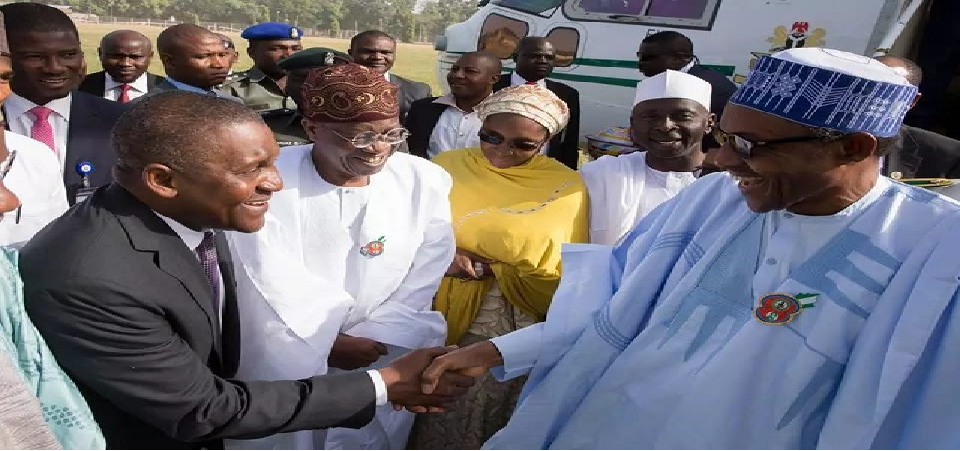
The news is that the Dangote Group will not pay tax in the next ten years for it to help Nigerian government fix roads.

The Nigerian government has granted a 10-year tax incentive to Dangote group for the construction and rehabilitation of roads, Minister of Power, Works and Housing, Babatunde Fashola, has said.

Mr. Fashola made this known while speaking at the Businessday Road Construction Summit, held in Victoria Island, Lagos, on Friday.

Mr. Fashola, who disclosed that construction of the Apapa to Oworonshoki end of the Lagos-Ibadan expressway has been handed over to the company, said the government had approved a review of the five-year limit on tax order enjoyed by the company to 10 years.

“We inherited a tax incentive policy for individuals to benefit from tax remission, to recover investment made in public infrastructure like roads, which other members of the public can utilise,” Mr. Fashola said.

He noted that pending applications from Dangote Group were not approved by the previous administration, which the present administration has now approved and work has commenced on the 42.9 km Obajana – Kabba road in Kogi State

Dangote Group deserves its deals. I congratulate the firm. I just hope government will extend same to other businesses who may like such deals. If they refuse to extend such deals to other companies with capabilities, it becomes corruption from government against the Nigerian people

But as it stands, there is no issue, in my opinion, if anyone can get that same deal for other roads. Dangote Group needs those roads to do business and government cannot keep them in good conditions. Dangote Group has been paying taxes and yet nothing has been done on the roads. So, Dangote Group wants to keep the taxes and fix the roads. Magical. But what happens if Dangote Group tax burden is 4x the cost of the roads? Government will not go there.

I do think if they extend the deals to the banks, telecoms and oil companies, Nigeria will collapse. Sure, most of the roads will be built, but Federal Inland Revenue Service may just close as there will not be a need to be collecting taxes. Just pick a road and fix it and taxes will be forgone for ten years.

But yet, besides the above points, this is the heart of what even made it possible for Dangote Group to begin that conversation. It is called the accumulation of capability. Once you have it and attain that position, governments will do senseless deals with you. They know you have the power and can help them, and without you, there is nothing else they can do.

After the publication of this piece where I noted how entrepreneurs can use the accumulation of capability to improve their abilities to create wealth, as Dangote Group does, most people noted that Dangote Group has been receiving government support. The assertion is that Dangote Group gets perks from Nigerian government and that has driven its success. In this piece, I explain how you can also get the same level of government support that Dangote gets. It is called Conglomerate Tax and it is done all over the world. The more a firm operates at the upstream, asset heavy, high risk, and long-term view level, the more it needs goodies from governments.

And for governments that want help to put infrastructure at high pain levels, they always listen. U.S government could give Carnegie free land for rail-roads but may not give any to a man that wants to build a toothpick factory. Similarly, Nigerian government can give goodies to Dangote Refinery and may struggle to offer same to a businessman that wants to import toothbrush

You may feel bad, but there is a clear path to enjoying conglomerate tax: just accumulate capability and you can control governments. It is a universal syndrome, unfortunately.
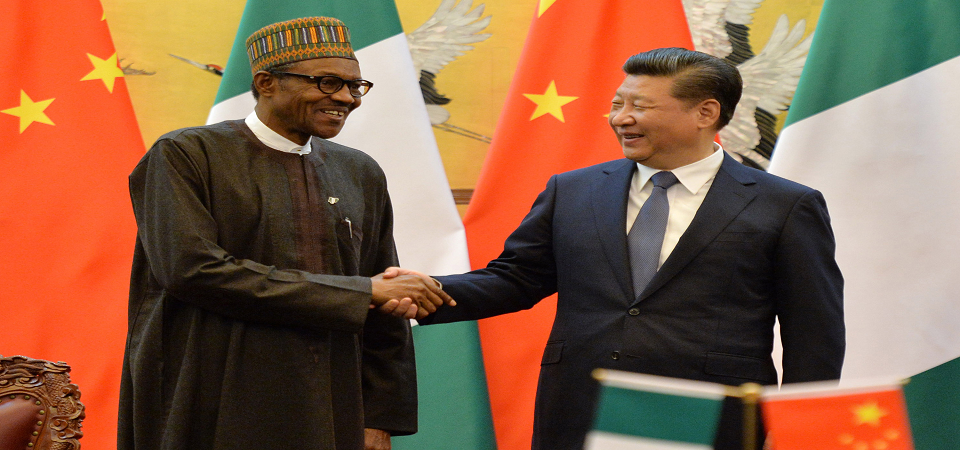
Lessons for Nigeria from the Mercantilist China

0

China is a very brilliant country and extremely committed to execute its version of the world order. Few days ago, I noted that China was redesigning its future by planning to ban the production and use of fossil-fueled cars.

China is planning to fix a deadline to end the production and sales of fossil-fuel-powered vehicles. That is a big deal because over the last few years, China has been seen as a nexus of heavy global pollution. But now, it is working hard to clean the air and drive a post-petroleum era. …

Let us assume that China follows UK and France and puts the deadline in 2040, it means by 2050, more than 50% of global cars could be totally non fossil-fuel powered. (Both UK and France had already set a deadline of 2040 to phase out fossil-fuel-powered cars. I also expect other countries to follow through to make that 50%) Even without America acting, the trajectory is obvious that electric vehicles will be the driving element of automobile making of the future.

Most had commended China for this bold vision to help clean the air and work towards fixing the climate change issue. However, that may not be the whole story. According to Fortune Magazine, via newsletter, the real reason for the ban may not be a pure environmental concern. (Please be guided, U.S. press is not necessarily a friendly press to China’s mercantilist roadmap. It is part of the global competition.) Rather, China wants to play offense to help the local car companies in China. Here are the key drivers which I have expanded, drawing insights from the one-sentence Fortune comment:

  • The patents for hybrid automobile sector are controlled by Japanese companies. Toyota and Honda are leaders there. China has minimal presence there
  • The patents for fossil-fueled cars are controlled by U.S. and Germany, with China having minimal presence. Sure most of those patents have expired but China lags in broad innovation in fossil-fueled cars.
  • But on electric, China is one of the world’s leading patent holders. Elon Musk’s Tesla even made the whole thing better, by making most of its patents royalty-free. That saves China from a lot of trouble. BYD China, which Warren Buffett has stakes, is a leading electric car company.

Of course, GM and most U.S. car companies are not happy with the decision by the Chinese government to plan to ban fossil-fueled cars in the future. They are arguing that China must allow customers to decide, and not dictate choices via mandates. GM sells more cars in China than in U.S. and China is the world’s largest car market. So, no car company can ignore China if it wants to be a global brand.

But irrespective of the feelings of the U.S. car markers, you can see the brilliance of the Chinese government. They are thinking decades ahead and how they can help their local companies. Here, they want to systematically move their customers to products made by Chinese companies. But they have done it in a way that even the citizens will not argue. They will give decades notice and then execute a strategy to ensure by the due date, their companies are ready.

Many Chinese analysts are expecting electric car companies to see a boom and investors will respond because they know that the future is now electric vehicles. By the decision of the government, electric vehicle sector will see massive capital inflow since any cloud has been cleared for the investors.

Contrast this strategy with former president Obasanjo’s model to ban use of foreign laptops in Nigeria, for public workers, during his presidency. The former president’s lack of plan to make sure Nigeria can make decent laptops was evident, and the very reason why nothing positive came out of it. China has put forward a roadmap to make sure its car companies can compete not just in China, but globally.

China knows trade and what drives great positioning. They are doing so in electric vehicles and Nigeria needs to learn from it.

Three Fintech Business Ideas That Will Make You Rich In Nigeria, Africa

0

Bottomline: Nigeria and indeed Africa are undergoing fintech revolutions. There are more than 300 fintechs in the continent. Even the banks are evolving, turning themselves into fintechs. Certainly, not many fintechs will win, and many are light years from disrupting the banking and broad financial orders. But one thing is clear: productivity will accelerate and […]

This post is only available to members.

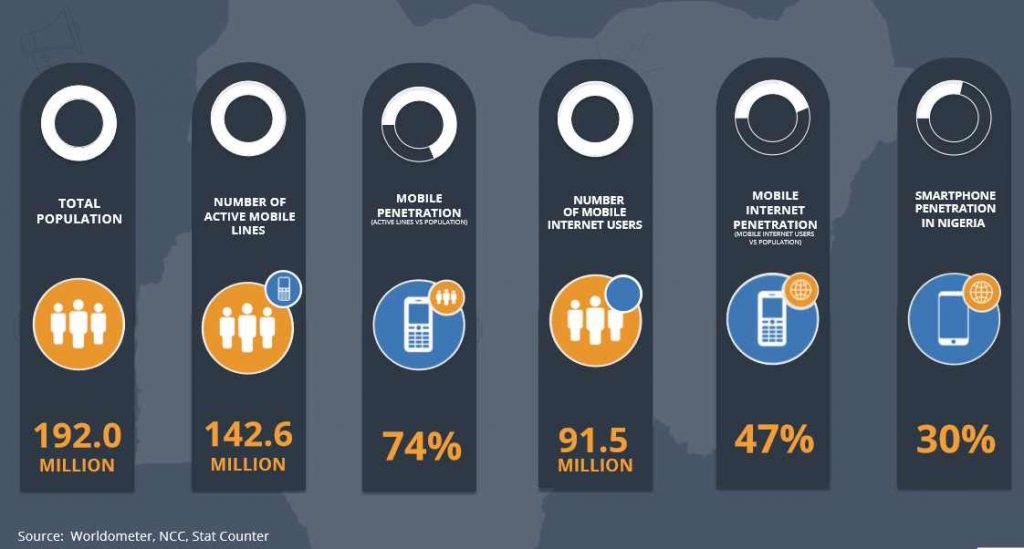
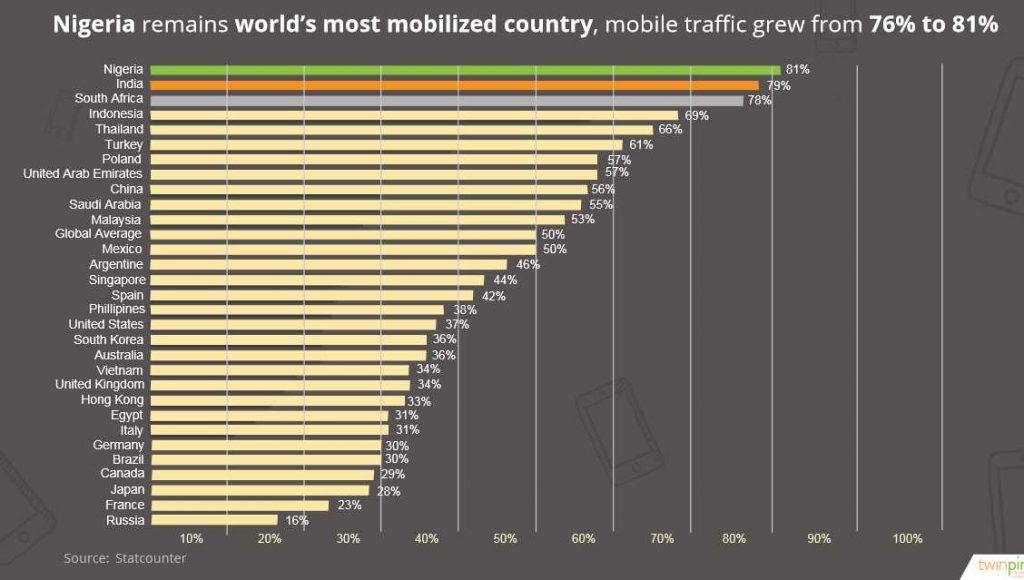
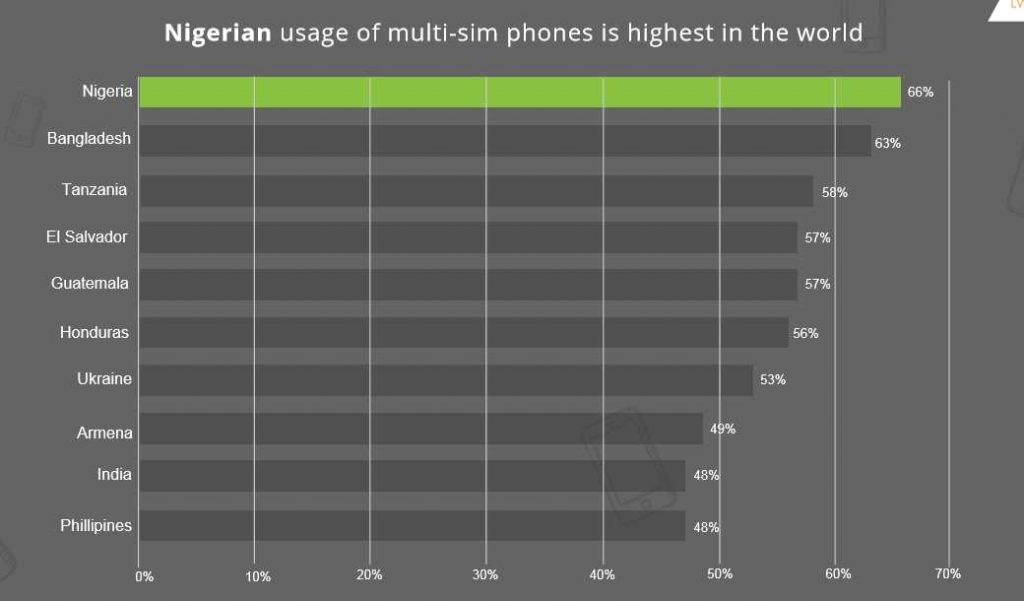
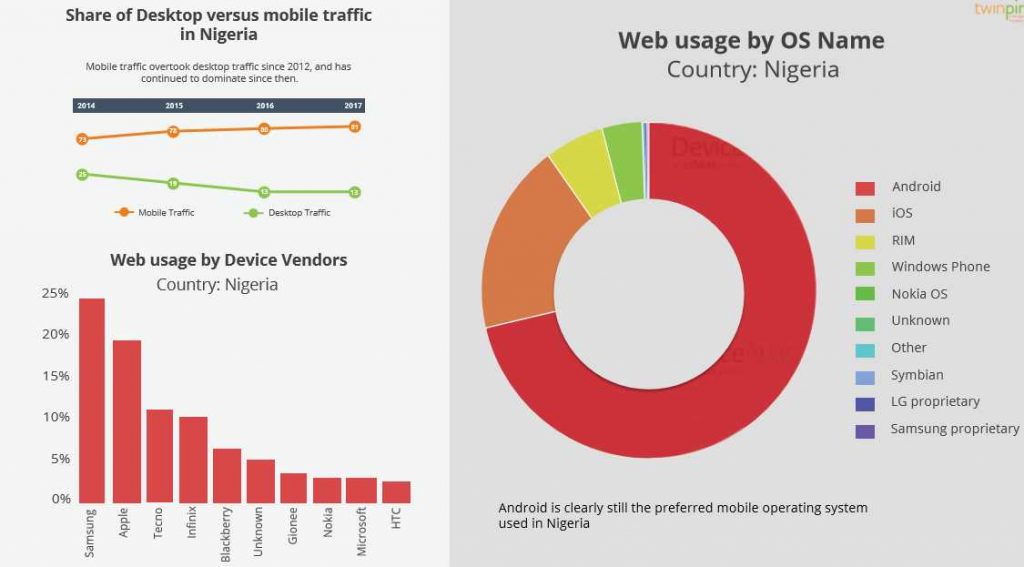
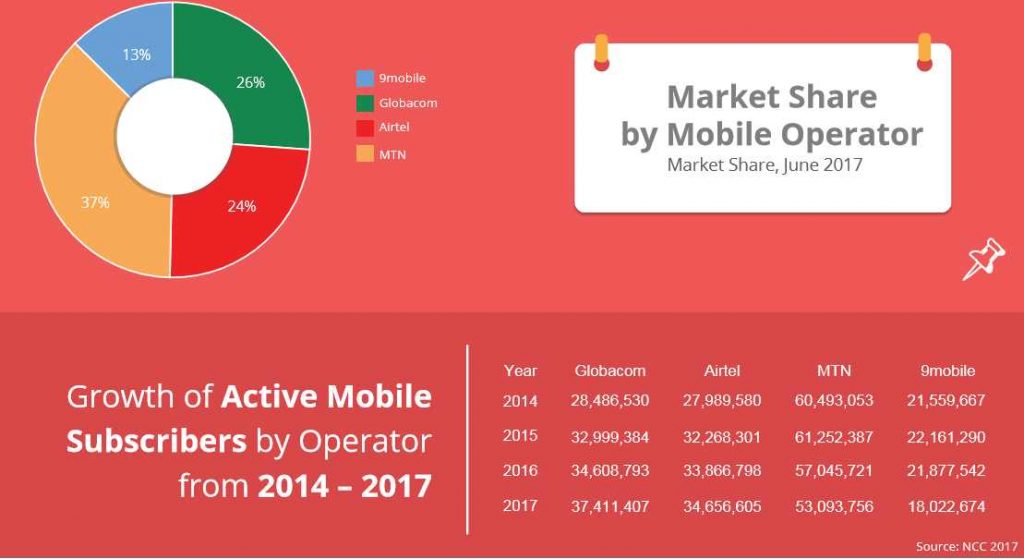
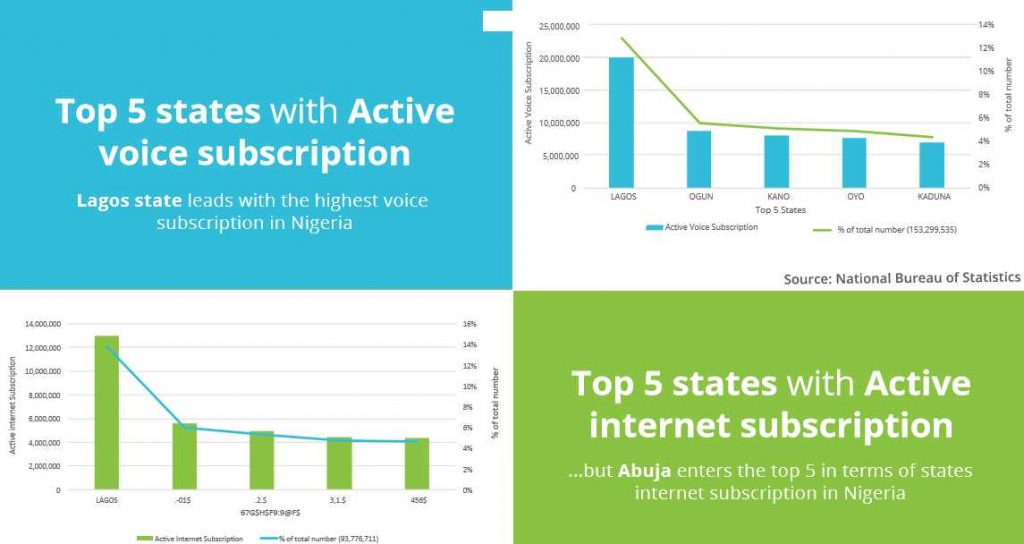
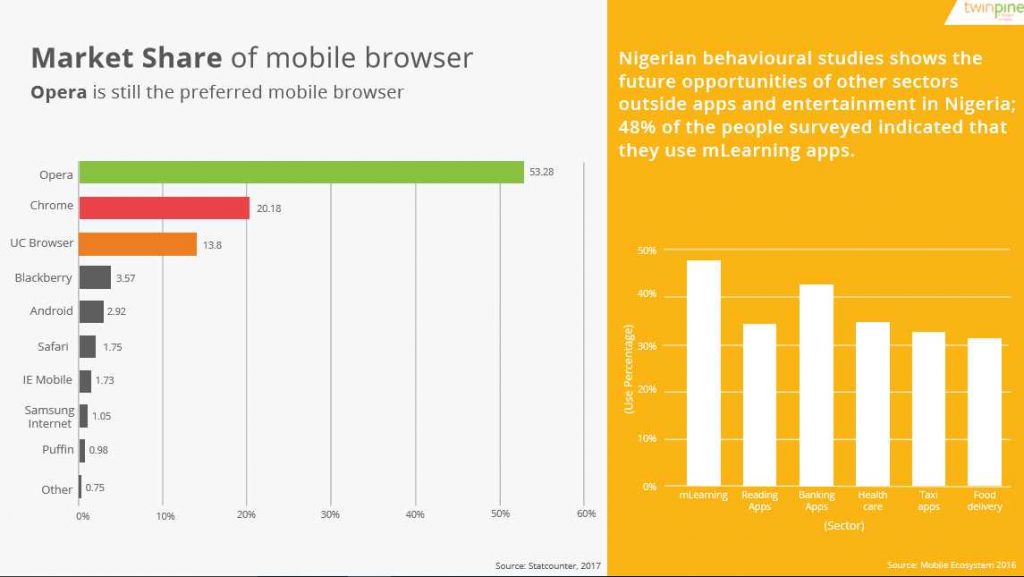
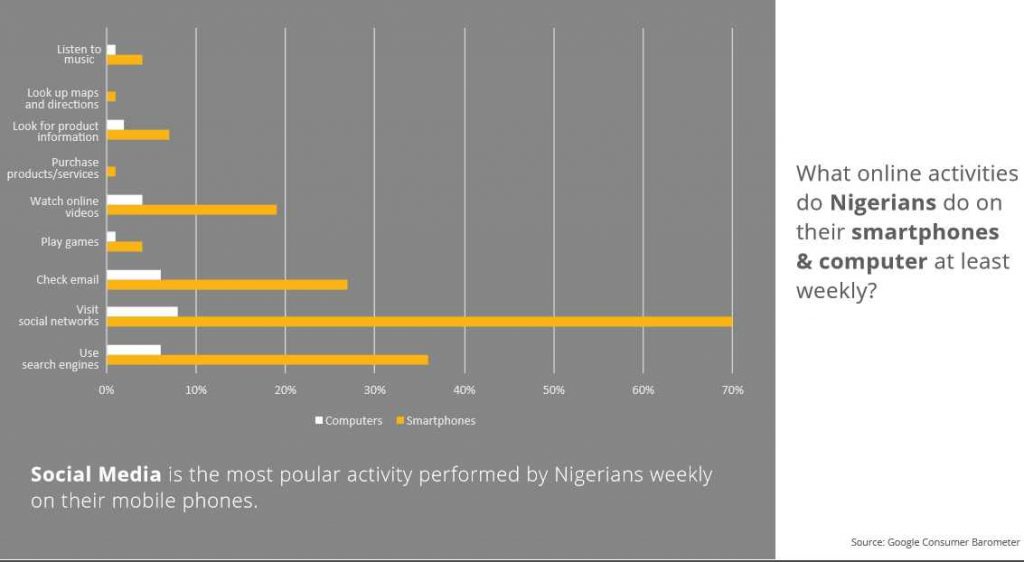
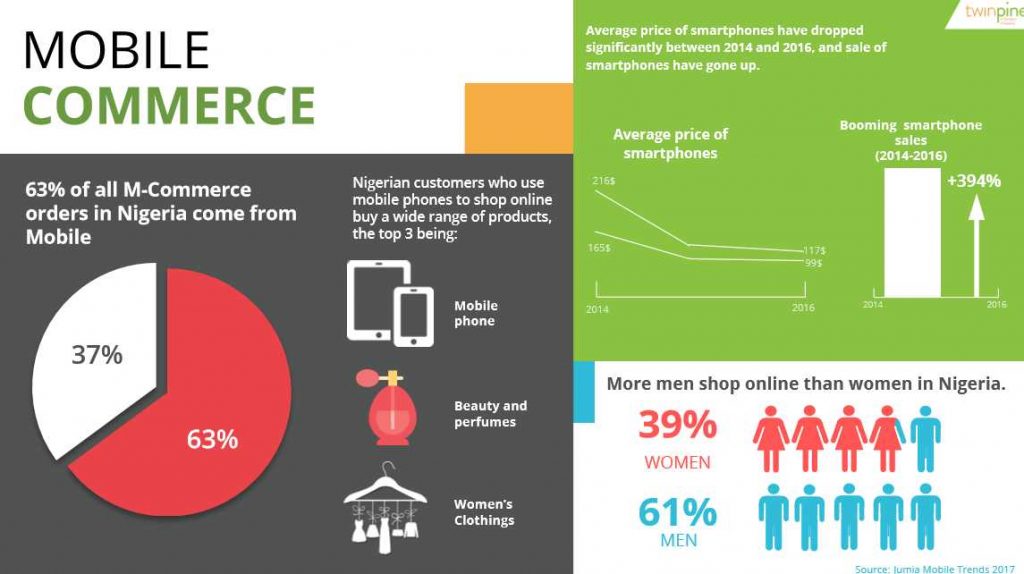
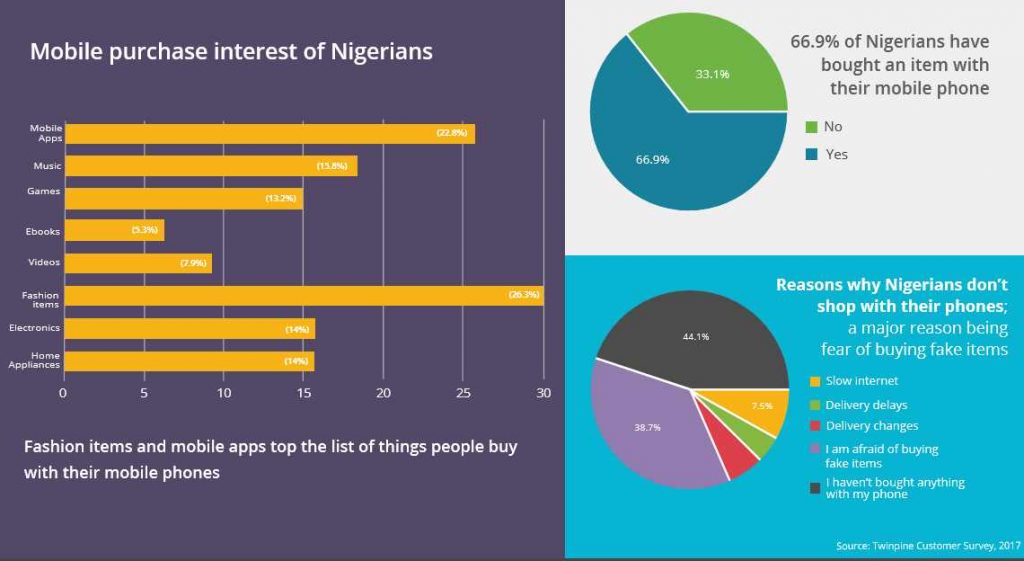
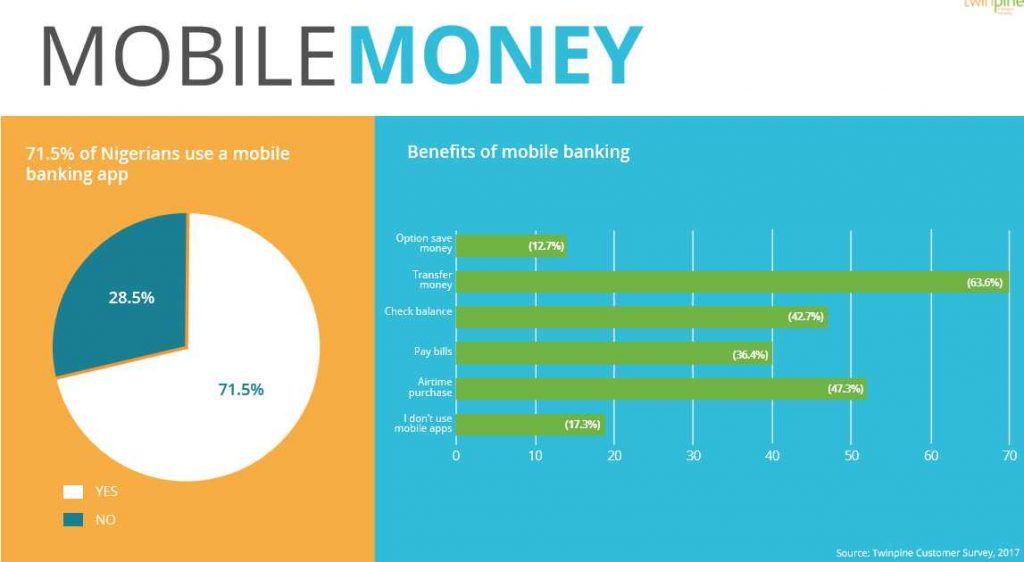
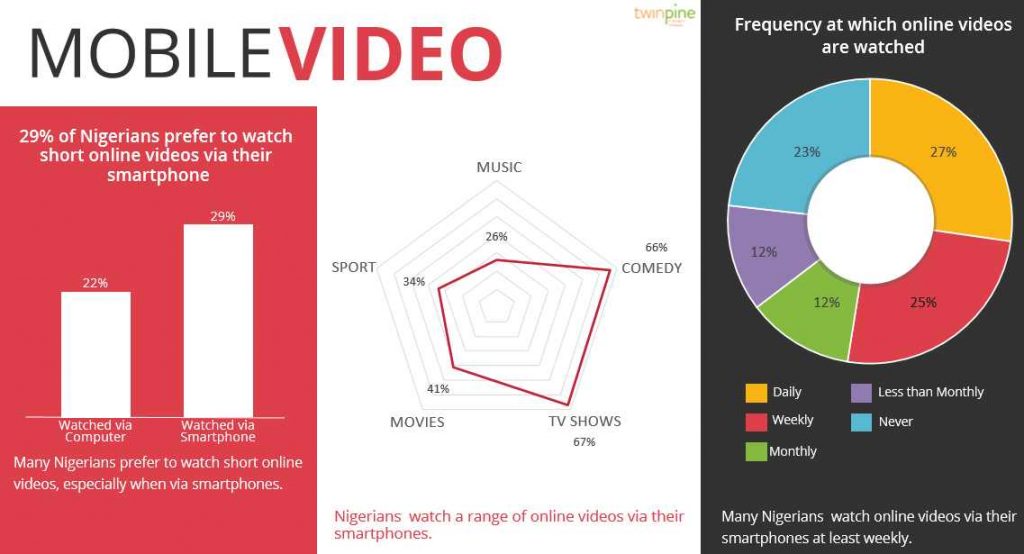
2017 Comprehensive Nigeria Mobile Trends [Plots]

2

Twinpine is an African premium mobile marketing platform, intelligently connecting businesses to their target audience, from discovery to conversion. It has headquarters in Lagos with offices in Kenya, South Africa and Ghana. It provided this content for us to share on Tekedia, and we found it valuable. This is not a promotion.

NB: If the image is small, right click on Chrome (mobile or desktop) and select Copy Image Address. Paste that link to a new browser tab. You will see the full image resolution and can even zoom it.

Hacking Digital Startup Growth

0

Bottomline: Startups have to grow to survive. They need to hack growth. Scalability is the message but growth is the path to deliver it. Growth is not easy because there are many competitors jostling for the same customers and territories. In this piece, I explain how digital startups can hack growth in the same internet-sphere […]

This post is only available to members.