DD
MM
YYYY

PAGES

DD
MM
YYYY

spot_img

PAGES

Home Blog Page 7421

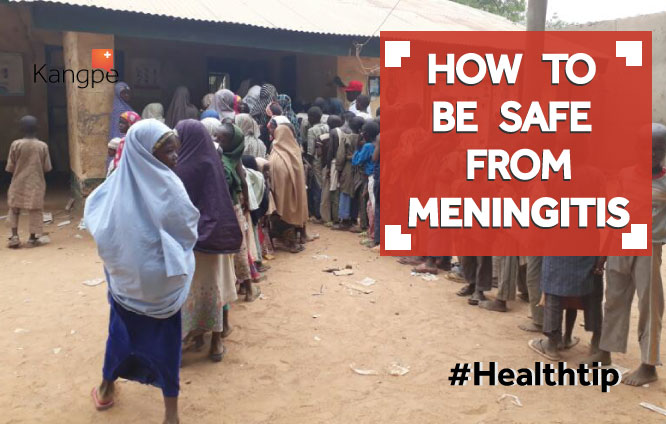
How To Be Safe From Meningitis in Nigeria

0

The current meningitis outbreak in Nigeria has reached a total of 19 states. About 4000 people are suspected to have been infected so far, out of which over 400 are already dead.

Like we stated in a previous health tip on meningitis, Nigeria is one of the countries in the African meningitis belt: a broad region across Africa, cutting across many countries, where the rate of meningitis infection is very high. In Nigeria, the entire north and some parts of the southwest fall within this African meningitis belt, meaning that outbreaks are common in these parts of the country, especially the north, during the dry season, between December and March.

This current outbreak is a bit dangerous because a lot of people are not immune to the particular bacterial strain that has been identified as the cause. There were nationwide programs in the past few years to vaccinate Nigerians aged between 2 and 29 years against the Neisseria meningitidis type A which has been the major cause of previous outbreaks. But this current outbreak is being attributed to the type C strain of the organism and the vaccine against it is not widely available, even outside the country because it is not that common.

Meningitis is a medical emergency and is deadly especially in young children. In order to be on the safe side, every person, family, and community should:

1. Observe strict personal hygiene

The Neisseria meningitidis microorganism causing meningitis usually reside in the nose and throat of those who are exposed. This means sneezing, coughing and handling of objects with soiled hands can transmit this microorganism to another person. Therefore, endeavour to:

-always wash your hands with soap and water after handling dirty things

-don’t share water bottles, eating utensils or cups, especially in places where cases of meningitis have been reported

-Don’t share towels, lipstick or lip gloss

2. Avoid overcrowding

Overcrowding is one of the factors enabling quick transmission of this meningitis microorganism. Hence,

-families should ensure their rooms are well ventilated (windows are fitted with nets and open) and are not overcrowded

  • parents and teachers should ensure that creche and nursery school classrooms are well ventilated. They should also make sure fewer children stay in one classroom to avoid overcrowding. Once, a child comes down with any illness, he or she should be taken to the sick bay immediately for treatment to prevent the spread of whatever infection it may be.

3. People who smoke, especially in states where cases of meningitis have been reported, should cut down and stop cigarette smoking as it makes their respiratory tract more vulnerable to being invaded by the Neisseria meningitidis organism which can go on to cause meningitis.

4. Early treatment

People should look out for symptoms of meningitis such as a severe headache, fever, vomiting, neck stiffness, eye pain on exposure to bright lights. Noting these symptoms early means the affected persons can be taken to the hospital for immediate treatment with the appropriate antibiotics.

Also, members of the family of affected persons and other people who came in contact with them should receive appropriate antibiotics treatment to prevent them from developing the disease.

5. Get vaccinated

Vaccines against infections train the body’s immune system to properly defeat these infections when the body is exposed to the microorganisms causing them. Getting vaccinated is the best way to stay safe from meningitis. This starts from:

-ensuring that babies, from birth, receive all the recommended vaccinations according to the National Programme on Immunisation plus other vaccinations such as the meningococcal vaccine against meningitis for children (after 2 years of age) in the northern parts of Nigeria.

-people planning to travel to the north, those who are HIV positive and people whose spleens (the spleen is an organ in the body which recycles old red blood cells and helps in fighting certain bacteria that cause pneumonia and meningitis) have been removed should endeavour to receive the meningococcal vaccine as they are at a higher risk of coming down with meningitis.

-people should make themselves available for any nationwide vaccination programme especially now that the Nigerian government is making plans to bring in hundreds of thousands of vaccines against the type C strain causing the current meningitis outbreak.

For more advice and help, feel free to ask a Doctor on Kangpe.

Fidelity Bank results show the problems in Nigerian banking, uncorrelated with reality

0

Fidelity Bank Plc grossed N152.0bn in earnings for the financial year ended December 31, 2016 and is proposing to pay a dividend of 14kobo per share to shareholders. The full year audited results for the top Nigerian lender, released over the weekend at the Nigerian Stock Exchange (NSE), show a 3.5% growth in gross earning, compared with N146 billion achieved in the corresponding period in 2015.

That will seem impressive for a country in recession, for a bank to be growing. But the reality is that banks always grow in Nigeria because what they do largely correlate with the main economy. If you buy from Central Bank of Nigeria and sell dollar to traders, you will also make money.

In other performance indices, net interest income grew by 1.7% from N60.9bn to N61.9bn, whilst total deposits, a measure of customer confidence, grew by 3%, rising from N769.6 billion in 2015 FY 2015 to N793.0 billion. Similarly total assets increased by 5.4% to N1,298.1bn from N1,231.7bn in the corresponding year.

Profits however were moderated in the period under review by the one-off staff cost incurred during the year. Consequently PBT stood at N11.1bn down from N14bn in FY2015.

“Our financial performance in FY2016 reflects the sound fundamentals of our evolving business model as we continued with the disciplined execution of our medium-term strategy which positions the business for improved and sustainable profitability” said the Fidelity Bank CEO, Mr. Nnamdi Okonkwo.

He explained that profits dipped due to the cost of N4.8bn cost incurred as Fidelity Bank discontinued its legacy gratuity and retirement scheme. “Excluding this one-off charge, PBT for the year would have been at N15.8bn” he stated.

Meanwhile, Fidelity Bank’s retail and electronic banking strategy has continued to deliver impressive results with savings deposits growing by 30.1% to N155.0bn while customer enrollments on its  flagship Instant Banking (*770#) and Online Banking products grew by over 200% leading to a 44.6% growth in net e-banking revenues to N7.5bn. This performance he said was “driven by the upgrade of our core banking system which provides a superior architecture that enhanced our operational efficiency and deepened our electronic banking capabilities.”

Banks will continue to make money. But we do hope Nigerian banks can show one company they supported or funded. They continue to trade dollars. The economy can be on recession, they will just be fine.

Africa’s first indigenous unicorn is already born – here is the startup

0

With nearly 200 million people between the ages of 15 and 24, Africa has the youngest population in the world. This figure is set to double by 2025, ushering in a new generation with the potential to understand and solve pressing social and economic challenges by harnessing the power of digital innovation.

At the same time, entrepreneurship is forging its own identity across the region – where an exciting new generation of African start-ups are developing solutions and services for African problems. Across each sector, start-ups are unearthing new ways to do business. From finance and energy through to agriculture and healthcare, entrepreneurs are developing solutions, services and platforms that are helping to refine the supply chain and drive efficiencies.

In the process, they are creating a better flow of information across the entire region, which is empowering businesses and consumers to make more informed and accurate decisions. It is starting to shape the way people interact in the region’s rapidly growing urban areas, while bringing untold benefits to underserved rural communities.

They face many challenges. But for African start-ups every challenge is also an opportunity – insufficient power supplies? Hello solar energy. No access to formal financial services? Welcome mobile money. Limited access to mobile broadband? Enter SMS-based solutions. Yet the tech ecosystem remains at an early stage of development.

In many markets, the start-up scene is little over five years old, and requires careful nurturing over the coming years. Funding and access to other critical resources is required to support start-ups who have little to no previous experience in the market. While governments and academic institutions will also have a valuable role to play, particularly in attempts to engage with those living under the poverty line.

High-speed, reliable connectivity underpins innovation, and the rollout of new networks is an important enabler for start-ups and the advancement of digital services. It is why through this report, Liquid Telecom is showcasing the region’s latest innovation and talent, which it supports through Africa’s largest independent fibre network.

The world is still waiting with anticipation to see the emergence of Africa’s first “unicorns” (start-up companies valued at over $1 billion). It is a story that is capturing the imagination of the business community at large, as these start-ups are poised to bring serious disruption to the market, while potentially changing consumer behaviour forever.

Going for the first Indigenous Africa Unicorn

Continent continues to innovate while waiting for the first US$1bn company. Africa is still waiting to meet its first ‘unicorn’ (start-up company valued at over US$1 billion), according to a recent report by Liquid Telecom. The ephemeral one achieved by Jumia does not count because Jumia is not an African company.

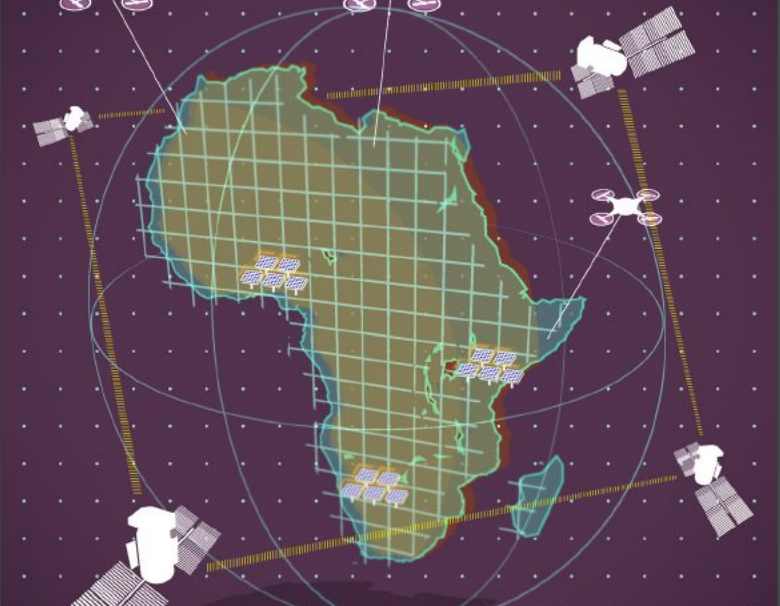
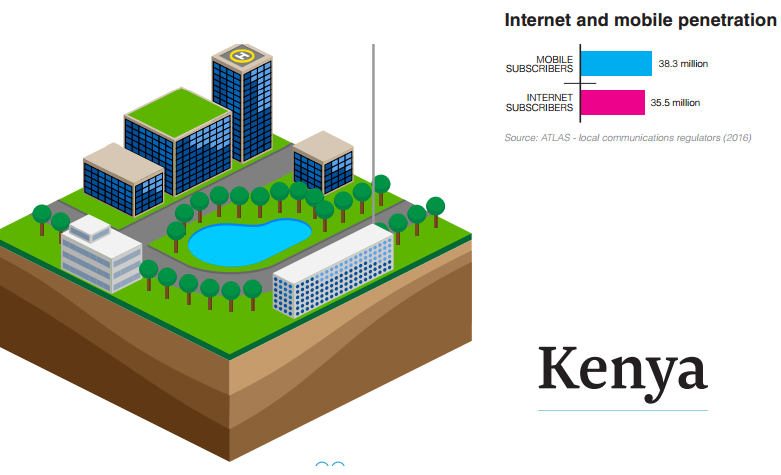
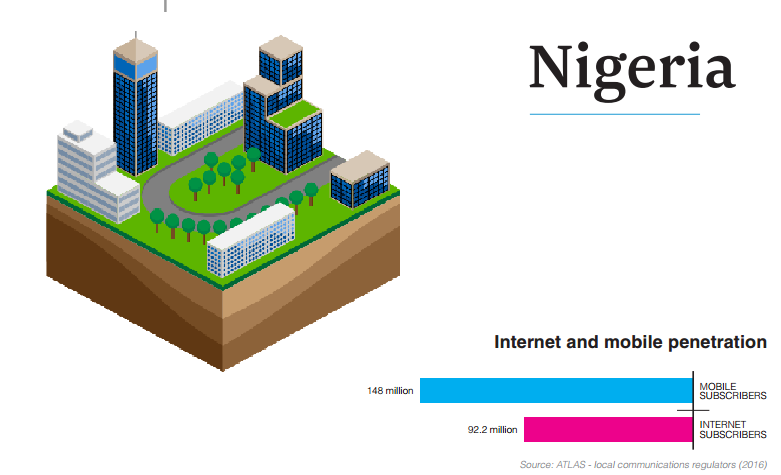
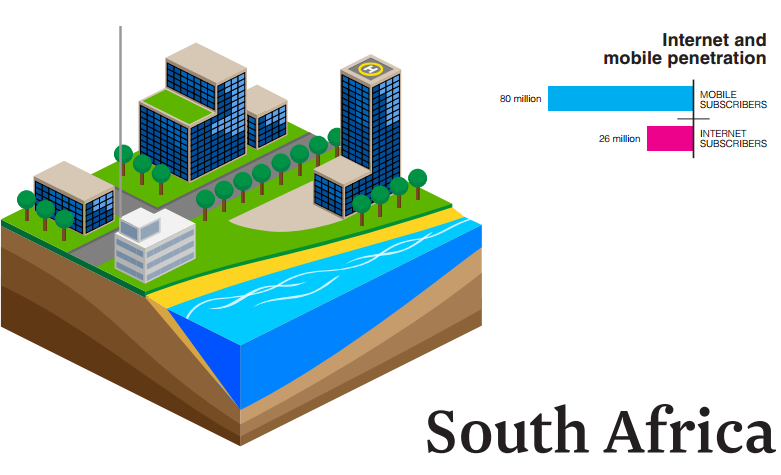
The Africa innovation report highlights how five countries known as the ‘Africa Kings,’ namely; Kenya, Ivory Coast, Nigeria, Ghana and South Africa, have been leading the way in digital innovation. and will produce the continent’s first unicorns.


This will be as a result of increasing innovation and a growing African population of about 200 million young people between the ages of 15 and 24, expected to double by 2025

“At the same time, entrepreneurship is forging its own identity across the region – where an exciting new generation of African start-ups are developing solutions and services for African problems” the report states.

According to the report, the Africa Kings have well-developed telecoms markets and all are connected to multiple submarine cables and enjoy satellite connectivity. They have multiple telecoms operators competing to offer innovative new products to consumers, with a strong demand from consumers for new digital services.

Together these five countries share an estimated 324.4 million mobile subscribers and 177.7 million internet subscribers. Kenya has a strong reputation in leading tech start-ups, earning the title of Africa’s “Silicon Savannah” over the past 10 years, triggered by its mobile money network called M-Pesa, in 2007.

Ivory Coast, said to be the least advanced of the group, has developed several innovative strides to improve – despite socio-political unrest.

Nigeria’s population of over 182 million provides many opportunities for development and the West African country is seen to be increasingly digitally-equipped, in tech skills and access to the internet.

Ghana has shown a high economic growth, coupled with a developing tech start-up scene attributed mainly to the Meltwater Entrepreneurial School of Technology which launched in 2008.

South Africa, said to have the oldest tech start-up ecosystem in Africa, has a start-up scene that can be traced back to 1994, according to Ian Merrington, CEO of the Cape Innovation and Technology Initiative (CiTi).

SA tech entrepreneur and venture capitalist Mark Shuttleworth founded digital certificate and internet securitycompany Thawte when he was 22, selling it in 1999 to Verisign for US$575 million in an all-stock deal.

His proceeds saw the birth of HBD Capital (now Knife Capital), a Cape Town-based investment fund. In 2001, he founded Ubuntu Linux maker Canonical, his example is the closest to a venture reaching unicorn status.

Over the years, the continent has earned the mobile first tag line. Other initiatives include Kenya’s mobile money revolution, the subsea cable boom and recently, a visit from Facebook’s Mark Zuckerberg who met with local entrepreneurs and developers in Lagos and Nairobi.

With an estimated 65% of Sub-Saharan Africa’s labour force coming from the agriculture sector, more innovative opportunities have been realised to support smaller farmers including the use of data and drones for irrigation.

According to Dobek Pater, MD at Africa Analysis, the number of global start-ups that grow into US$1 billion companies is very small, “I don’t think we are likely to see a lot of companies out of Africa turning into unicorns over the next decade, although we may perhaps see one or two. The last one I am aware of was Mark Shuttleworth’s company and that was some 15 years ago.”

Pater believes start-ups in Africa are facing challenges in receiving proper funding, government support and a relocation of entrepreneurs

“There is a small possibility of any startups in the mould of American style unicorns shortly in Africa,” says Strategy Worx CEO, Steven Ambrose. “There is not the same level of digital maturity in Africa as compared to other developed nations where the internet and technology is far more integrated into the mainstream of society than in Africa.”

He adds that SA, even as “Africa’s most developed country” has low digital maturity, only limited to a certain portion of the population and concentrated in a few urban areas. “This potential size of the market just does not support the growth of start-ups on the same scale.”

Ambrose also mentions that brilliant and innovative ideas have come out of Africa, “M-Pesa is one such, but scale will always be a challenge.”

 The Emergent Unicorn

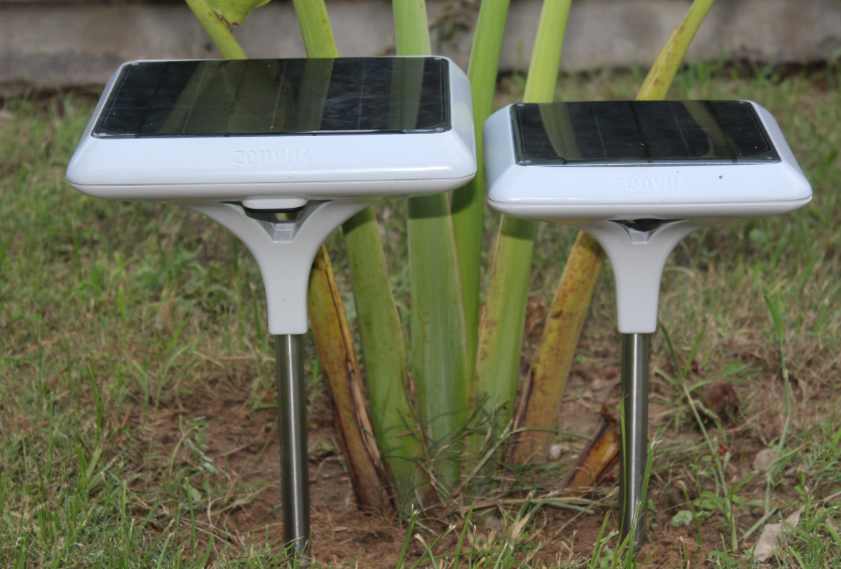
Africa has a very innovative company in the agtech sector with the capacity to become its first unicorn in the next 6 years. Zenvus is innovation and will lead the quest to the first $1 billion valuation in the continent. Zenvus is an intelligent solution for farms that uses proprietary electronics sensors to collect soil data like moisture, nutrients, pH etc and send them to a cloud server via GSM, satellite or Wifi. Algorithms in the server analyze the data and advice farmers on farming. As the crops grow, the system deploys special cameras to build vegetative health for drought stress, pest and diseases. Our system has the capability to tell a farm what, how, and when to farm. It has in-built GPS, compass and XL making it possible for a farmer to map the boundaries of his/her farm which could be useful during loan and insurance applications.  Zenvus is a data company as well as a fintech with services built around its sensors.
  • zManager: an electronic farm diary to record all phases of farming activities
  • zPrices: provides real-time produce prices across major Nigerian cities
  • zCapital: a marketplace where farmers raise capital from investors
  • zCrowdfund: farmers raise capital from local donors in exchange for produce
  • zInsure: a marketplace to buy farming insurance for farmers
  • zMarkets: a digital platform for farmers to sell their produce


KPMG invests in agtech $6.5 million Series A funding

0

The Yield, the Australian sensing, IoT and predictive analytics startup for aquaculture and agriculture, has raised $6.5 million in Series A funding from three global corporations; hardware giant Bosch, consultancy group KPMG, and online investment platform AgFunder.

The startup will use the funding to expand beyond aquaculture, its first target market in Australia, and into the US where it will focus on customers on the West Coast growing intensive, irrigated crops.

The Yield focuses on monitoring microclimates to give farmers granular and predictive insights about what’s happening at multiple points on their farm using artificial intelligence and predictive modelling.

In aquaculture, the ability to measure small changes in the environment can save hundreds of thousands of dollars. The Yield has specifically focused on oyster production until now, which is a $76 million market in Australia.

As filter feeders, oysters are particularly susceptible to pollution, so regulators conservatively shut down harvesting when heavy rains might wash contaminants into bays. The decision to open or close bays has typically been done by monitoring rain gauges from public weather stations that could be hundreds of miles away. The impact of these closures is significant. In New South Wales alone in 2015, closures resulted in 161 days of lost productivity. Farmers can lose between $20k-$100k a day during a closure, depending on the time of the year. The Yield collects real-time data from sensors that sit in oyster leases and analyze water. This information is ingested into the cloud, where artificial intelligence and advanced analytics make data-based predictions on the impact of weather events on the quality of the water. These data are shared with growers and regulators to prevent the closure of bays at unnecessary times.

Measuring microclimate changes is important for crop growers too. Speaking at The Forbes Mixing Bowl conference in New York recently, Tom Am Rhein, VP at berry producer Naturipe Growers, complained that existing technologies didn’t account for all the microclimates across his land.

Petra Doust, crop production manager at Houston’s Farms in Australia, agrees.

“At the moment, we make most of our critical decisions about timing and harvest by just manually looking at the crop or sampling the soil or plants and waiting a couple of days for the results. There’s a time lag, and often that means we miss the best opportunity to rectify the problem, which then affects the quality and shelf life of our bagged salad mixes,” she said.

Houston’s Farms, which is one of Australia’s largest lettuce operations, loses about 200 tons of lettuce each year to water-related issues, and the producer is hopeful predictive sensing technologies like The Yield will take the guesswork out of farming.

A key differentiator of The Yield compared to other sensing & IoT companies is that it doesn’t sell its sensors; they are provided to customers as part of an end-to-end subscription package including hardware, apps, and the data analytics platform. All the responsibility of maintaining, servicing, and calibrating them sits with The Yield, answering some pain points expressed by growers and retailers using sensors in the past.

Major Technology Trends and Challenges in 2017

0
Abstract 3D illustration.

In a digitally-enabled world, technology is embedded in its core. Companies will harness their best potential to provide rich digital services to consumers. For example, the introduction of the first-ever touch screen smartphone in China in 2003 led to a paradigm shift in the ease of using such phones. These technologies are poised to bring a revolution in the marketplace, where consumers are continuously adapting to new innovations and eagerly awaiting something new every time. People have actually become addicted to the terminology “everything on demand”. Consequently, telecom manufacturing companies are always striving to fulfil the wishes of consumers.

Besides this, there are other trends and challenges that one needs to be aware of to meet market expectations. IoT (Internet of Things) will be a major focus for all technology companies because consumers are already experimenting and using different apps and new technologically-advanced devices that have made their lives most comfortable. Therefore, mainly to ensure them utmost satisfaction, rigorous research is underway about how devices can always remain well connected to each other, with the entire control being in human hands only.

Ubiquitous IoT

Basically, one is making devices talk to each other in a virtual world and processing this information to perform the desired task. In reality, IoT will impart a physical meaning to all objects. This will become possible via MQTT or Message Queuing Telemetry Transport. A lightweight messaging protocol, MQTT will permit network clients with resource constraints to use simple means to distribute telemetry information. Deploying a communication pattern termed publish/subscribe, the protocol can be utilised for M2M (machine-to-machine) communications, thereby playing a pivotal role in IoT (Internet of Things).

IoT will soon be ubiquitous, with each object able to think and talk to one another, resulting in reduced human efforts to perform any task. Obviously, the initial start of IoT can be achieved with the development of smartphones that almost everyone generally carries these days. Therefore, smartphones have become an integral part of our lives. This is the gadget that will usher a revolution in the world of connected devices.

In the absence of Internet or Wi-Fi connectivity, however, will these gadgets still work? That is where BLE comes into the picture. Also known as Bluetooth Smart or BLE (Bluetooth with Low Energy), this is considered the fulcrum for wireless connectivity. Thanks to BLE, developers can create tiny sensors running on minuscule coin-cell batteries for months, or years, on end. Given this incredible energy source, billions of devices today come with Bluetooth technology – an underlying basis for the IoT revolution.

Meanwhile, people have begun thoroughly enjoying Augmented and Virtual Reality items. This was evident in the market mania when Pokémon Go was launched. It indicates people are welcoming these innovative technologies, which ensures much space to the R&D sector to think out-of-the-box and produce something totally different. This is an era in which people prefer 3D, 4D and 5D, where they can feel and sense the virtual object. But soon, an era of 7D or 8D will arise, when people will also smell and touch the virtual thing, much like a real thing.

The major change will come about when these technologies are embedded as normal features in consumers’ smartphones, whereby they can make any virtual thing on their own and experience it in a real way. In fact, perhaps in the near future, consumers will own a solar smartphone where the problem of repetitive charges will vanish. Consumers will simply use their smartphones throughout the day without worrying about battery consumption.

Security via Biometrics

Fingerprint sensors in smartphones are already in the market. Soon, retina-scan sensors in smartphones will be a major technology trend. Authentication with Biometrics involves accessing a product or service via identification by deploying biometric data such as fingerprints, eye scans, voice or facial recognition. Biometric identification uses a unique identifier.

For instance, a fingerprint scan can identify a unique fingerprint, while voice recognition does the same with a person’s voice. In the case of eyes, an iris or retina scan could include recognising the blood vessels in the eye. The latter is effective because blood vessels in a person’s eye never change over time and are recognisable even through glasses as well as contact lenses.

This form of biometric identification even works with a tablet camera or smartphone. After the tablet or smartphone has mapped the user’s blood vessels, an encryption key is created that is akin to a complex 50-character password. This information is then scrambled and encrypted on the device, ensuring it cannot be intercepted. Using blood vessels in the eyes as biometric identification to access services is a secure option. Hackers can’t copy the blood vessels in a person’s eyes and it doesn’t take expensive hardware to implement the solution.

Biometric identification can be used in tandem with passwords for two-factor authentication or multifactor authentication. When a person accesses an online service, such as a bank or email account, biometric authentication can capture the account holder’s eye image after the password has been entered. Biometric information is an excellent security mechanism because cyber criminals cannot access this unique data.

Privacy and Control

Limitless data is being transferred between all devices, allowing access to practically infinite information worldwide. With billions of new devices and technologies emerging, cloud computing will be the sole domain to store and analyse such massive data. In other words, as cloud computing is vital to IoT, these technologies will need to be extremely well synchronised with future smart gadgets of all kinds in order to attract the interest of consumers.

In this scenario, the main challenge will be the tremendous outflow of personal data to the outside world, making everyone’s lives an open book and breaching the personal security layer. Therefore, cyber security will become a major concern for everyone to protect personal information. Indeed, people are already enjoying and living in a virtual world, which is making everyone akin to robots.

Against this backdrop, the advent of Artificial Intelligence (AI) brings new advances to the fore. As AI scales new levels, humans are being beaten in many fields traditionally considered the sole preserve of human intelligence, including chess and Go. The latter is a Chinese game considered more complex than chess. Robots with AI are even programmed to mimic human facial emotions.

As things stand, AI is poised to take over human work. While this will definitely speed up the pace of work, there are seen and unforeseen perils in AI. The framework of AI is such that humans will be imparting machines the ability to think. This can be constructive as well as destructive. The latter is truly frightening because machines could think and perform tasks as per their cold calculations and comfort levels, while human ‘masters’ remain mere spectators in everything with little power to stop any negative initiative or outcome.

Is this a safe scenario? Not at all! With AI and other technological advancements, it is imperative we decide extremely carefully about the extent humans can permit technology to rule their lives. We should ensure that not only do we enjoy innovative technologies but also do so safely in future.

Such a safe scenario may only be possible if AI is perpetually programmed to operate under human command only with an auto-stop or self-destruct mechanism that prevents machines from turning upon humans. The wellbeing of the human race could depend upon it.


By Mr Leon Zhang, Marketing Head, South Asia, Meizu