DD
MM
YYYY

PAGES

DD
MM
YYYY

spot_img

PAGES

Home Blog Page 749

Apple Announces Plan to Spend Additional $100bn on U.S. Suppliers, Supporting Trump’s Industrial Revival Push

0

President Donald Trump and Apple CEO Tim Cook on Wednesday announced a sweeping plan that will see the tech giant invest an additional $100 billion into the U.S. economy over the next four years—a move Trump hailed as the largest commitment Apple has ever made domestically or abroad.

The announcement bolsters Apple’s total pledged U.S. investment under Trump’s presidency to $600 billion, solidifying the company’s position as a central player in the administration’s push to rebuild America’s industrial base.

Speaking alongside Cook at the White House, Trump praised the iPhone maker for “coming home” after years of being seen as more invested in foreign manufacturing.

“This is the largest investment Apple has ever made in America and anywhere else,” Trump said. “Apple has been an investor in other countries a little bit, I won’t say which ones, but a couple, and they’re coming home.”

The new $100 billion commitment builds on a $500 billion pledge Apple made in February, following what Cook described as a direct challenge from Trump to do more.

“President Trump shared some kind words about that work, but he also asked us to think about what more we could commit to doing,” Cook said. “Mr. President, we took that challenge very seriously.”

Apple’s expanded investment includes a wide array of U.S.-based suppliers and facilities, with a stated goal of creating a fully domestic chip and component supply chain. At the center of this is Apple’s so-called American Manufacturing Program, which now counts more than a dozen strategic partners, including Corning, Coherent, GlobalWafers, Applied Materials, Texas Instruments, Samsung, GlobalFoundries, Amkor, and Broadcom.

Glass, Lasers, and Chips: Building Apple’s Supply Chain in America

Apple said it would spend $2.5 billion to expand its partnership with Corning, which manufactures glass for iPhones and Apple Watches at its Kentucky facility. On Wednesday, Cook presented Trump with a souvenir made of Corning’s glass, symbolizing what both leaders described as a long-term commitment to reshoring advanced manufacturing.

The company also announced a multi-year deal with Coherent to produce lasers used in the iPhone’s facial recognition system. Apple said the partnership would bolster its U.S. sensor supply chain, which is becoming increasingly vital to its smartphone and wearables business.

Meanwhile, Apple revealed that it expects its U.S.-based supply chain to manufacture more than 19 billion chips this year alone, a scale of production that spans multiple states and suppliers. That includes chips produced by TSMC at its Arizona plant, as well as U.S.-made wafers from GlobalWafers, and semiconductor components from Texas Instruments, which will be installing new tools at facilities in both Utah and Texas.

Apple also named GlobalFoundries as the manufacturer for its wireless charging modules. The chips will be produced in New York, leveraging GlobalFoundries’ capabilities as a U.S.-based foundry that already supplies legacy chips for federal government contracts.

The initiative aims to create an “end-to-end” supply chain—a concept that means every phase of Apple’s chipmaking process, from raw materials to final assembly, can happen within the U.S.

Data Centers and Rare Earths

Beyond semiconductors, Apple is also expanding its data center footprint across North Carolina, Iowa, Nevada, and Oregon. The company originally announced $10 billion in planned data center investments in those states, a number that has since been exceeded.

The company also reiterated its earlier pledge to invest $500 million in a rare earths mining venture, part of a strategy to ensure that vital raw materials used in batteries and device motors can be sourced locally, reducing reliance on China and other foreign suppliers.

Trade Policy and Tariff Implications

The announcement comes amid escalating trade tensions, including new U.S. tariffs on India—a move by Trump in response to India’s increasing imports of Russian oil. While Apple has shifted much of its iPhone assembly to India in recent years to avoid tariffs on Chinese goods, the new India-focused import taxes, which raise rates to 25%, pose another layer of cost pressures.

However, White House officials told CNBC that Apple is expected to be “largely unaffected” by the India tariffs, thanks to existing exemptions and sourcing strategies.

Still, the company acknowledged that existing tariffs—particularly those on Chinese imports—will cost Apple an estimated $1.1 billion this quarter. Apple is also closely watching the outcome of a Section 232 investigation that could impose even higher import taxes on semiconductors, further impacting its bottom line.

This isn’t the first time Apple has made splashy U.S. investment announcements. In 2018, under pressure during Trump’s first term, the company committed to $350 billion in U.S. spending over five years. In 2021, it upped that figure to $430 billion.

But the latest commitments far outpace those earlier pledges. The combined $600 billion now represents an average of $125 billion in annual U.S. spending—nearly double the $70 billion per year Apple pledged in 2018.

Much of that investment has already materialized. The company has built out data centers, funded suppliers, and launched a $10 billion manufacturing fund, which supports U.S.-based firms like Corning. Suppliers do not publicly disclose how much of their revenue comes from Apple, but analysts say the tech company is among the largest private-sector drivers of advanced manufacturing growth in the country.

The Bigger Picture

Wednesday’s announcement reinforces Trump’s agenda to use executive and economic pressure to push multinational companies toward domestic reinvestment.

“There are a lot of factories and a lot of plants that are either under construction or soon we’ll be starting construction,” Trump said. “So can’t tell you exactly when, but I want to be around a year from now.”

The Apple deal is likely to serve as a flagship example of that policy in action. With tech manufacturing now entangled in geopolitics, tariffs, and supply chain reengineering, Apple’s massive U.S. commitment provides both political cover and strategic reassurance.


Implications of Coinbase-PayPal Integration for Canadians Crypto Enthusiasts

0

Coinbase has integrated PayPal as a payment option for Canadian users, effective August 6, 2025, allowing them to buy and sell cryptocurrencies like Bitcoin, Ethereum, and USD Coin instantly using their PayPal accounts.

This partnership leverages PayPal’s nearly 10 million active accounts in Canada to streamline fiat-to-crypto transactions, reducing friction and enhancing accessibility. Previously, Canadian users relied on methods like Interac e-Transfer, Electronic Funds Transfer, direct bank deposits, or debit cards. The integration supports Coinbase’s goal of onboarding more users to the crypto economy and is expected to boost trading volumes and liquidity.

PayPal’s integration simplifies the process of buying and selling cryptocurrencies on Coinbase, as users can leverage their existing PayPal accounts without needing to link bank accounts or cards directly. This lowers barriers for crypto newcomers, potentially driving higher adoption in Canada, where PayPal has nearly 10 million active accounts.

The familiarity of PayPal as a trusted payment platform could attract less tech-savvy or crypto-hesitant Canadians, expanding the user base for Coinbase and cryptocurrencies in general. Streamlined payment processes are likely to boost transaction frequency and volume on Coinbase, enhancing liquidity in the Canadian crypto market. This could stabilize prices and attract more institutional interest.

Coinbase’s move strengthens its position against competitors like Binance, Kraken, or local exchanges like Bitbuy, as PayPal’s seamless integration differentiates it in user experience. The integration facilitates faster conversion between fiat (CAD) and crypto, potentially increasing crypto’s use in everyday transactions if PayPal expands its role (e.g., enabling crypto payments at merchants).

Canada’s strict crypto regulations, including the Canadian Securities Administrators’ oversight, may intensify as PayPal’s involvement brings more mainstream attention. Compliance with anti-money laundering (AML) and know-your-customer (KYC) requirements will be critical for both companies.

Instant transactions via PayPal reduce wait times compared to bank transfers (e.g., Electronic Funds Transfer can take days). This could improve user satisfaction and retention. PayPal’s transaction fees (typically 2.9% + $0.30 for standard transactions) may apply, potentially increasing costs for users compared to direct bank transfers or Interac e-Transfers.

While currently limited to Canada, successful implementation could prompt Coinbase and PayPal to expand this model to other regions, amplifying global crypto adoption. PayPal acts as a fiat on-ramp and off-ramp, enabling Canadian Coinbase users to fund crypto purchases or withdraw CAD to their PayPal accounts instantly. This leverages PayPal’s infrastructure for secure, real-time transactions.

PayPal’s established reputation as a secure payment platform reduces perceived risks for users wary of crypto exchanges. Its involvement lends credibility to Coinbase, particularly for first-time crypto buyers. PayPal already allows crypto buying, selling, and holding in select markets (e.g., the U.S.). In Canada, its role appears limited to payment processing for now.

But it could expand to offering crypto services directly on its platform, competing with Coinbase or deepening the partnership. PayPal’s collaboration with Coinbase aligns with its broader crypto strategy, which includes supporting blockchain-based payments and digital assets.

By integrating with Coinbase, PayPal strengthens its position in the crypto ecosystem without directly managing the regulatory complexities of a crypto exchange. PayPal gains valuable data on crypto transaction trends in Canada, which could inform future product offerings or partnerships.

A Look At Hyperliquid’s 35% Blockchain Revenue Share in July 2025

0

Hyperliquid captured 35% of total blockchain revenue in July 2025, driven by its dominance in decentralized perpetual futures trading, with $15.3 billion in open interest and $399 billion in perpetuals volume. Its revenue reached $1.1 billion annualized, fueled by high trading volumes, low-latency infrastructure, and a user-friendly platform that attracted high-value users from competitors like Solana.

The HYPE token, peaking at $49.75, also contributed through buybacks and burns, with 97% of protocol fees reinvested into the token. However, a recent network outage raised concerns about scalability, and its reliance on just 21 validators has sparked debates about decentralization.

Hyperliquid’s capture of 35% of blockchain revenue underscores its dominance in decentralized perpetual futures trading. This strengthens its position as a leading DeFi protocol, potentially attracting more users and developers, further entrenching its ecosystem.

With $399 billion in perpetuals volume and $15.3 billion in open interest, Hyperliquid is pulling high-value traders from platforms like Solana. Competitors may need to innovate or lower fees to regain market share, intensifying competition in the DeFi space. The HYPE token’s role in revenue distribution (97% of fees used for buybacks and burns) boosts its value proposition, potentially driving further price appreciation (peaked at $49.75).

This could set a precedent for other protocols to adopt similar tokenomics to incentivize adoption. The recent network outage highlights potential risks in Hyperliquid’s infrastructure. As trading volumes grow, scalability issues could undermine user confidence and revenue stability if not addressed, impacting its long-term dominance.

With only 21 validators, Hyperliquid faces scrutiny over its decentralization. This could deter users prioritizing trustless systems and invite regulatory attention, especially as its revenue share grows.Hyperliquid’s success may shift capital and attention toward DeFi-focused blockchains, encouraging innovation in perpetuals and derivatives markets. However, it could also concentrate revenue in fewer protocols, raising concerns about ecosystem diversity.

Why the Surge in Revenues

High Trading Volumes: Hyperliquid’s $399 billion in perpetuals volume reflects massive trader activity, driven by its low-latency, high-throughput infrastructure (capable of handling thousands of transactions per second), appealing to professional and institutional traders.

User-Friendly Platform: Features like sub-accounts, portfolio margin, and one-click trading have lowered barriers for both retail and advanced users, increasing adoption and trading frequency, which directly boosts fee-based revenue.

Competitive Edge Over CEXs and DEXs: Hyperliquid’s gas-free transactions and up to 50x leverage outshine centralized exchanges (CEXs) like Binance and other DEXs like dYdX, capturing users seeking cost efficiency and high leverage.

HYPE Token Incentives: The token’s buyback-and-burn mechanism, coupled with staking rewards (3% annualized yield), incentivizes holding and trading, creating a feedback loop that drives volume and revenue.

Market Conditions: July 2025 likely saw heightened crypto market volatility, increasing demand for perpetual futures as traders hedged or speculated, with Hyperliquid’s deep liquidity pools capturing a disproportionate share of this activity.

Network Effects and Ecosystem Growth: Strategic partnerships and integrations (e.g., with lending protocols and cross-chain bridges) have expanded Hyperliquid’s reach, attracting more liquidity providers and traders, amplifying revenue.

In summary, Hyperliquid’s revenue surge stems from its technical superiority, user-centric design, and favorable market dynamics, but its long-term success hinges on addressing scalability and decentralization concerns to sustain trader trust and regulatory compliance.

Vandalism and Theft on Satoshi’s Statue in Lugano Has Spark a Unified Community Response

0

The Satoshi Nakamoto statue in Lugano, Switzerland, a tribute to Bitcoin’s pseudonymous creator, was vandalized and reported stolen on August 2, 2025, during Swiss National Day celebrations.

The “Disappearing Satoshi” artwork, designed by Italian artist Valentina Picozzi and unveiled in October 2024, was forcibly removed from its base in Parco Ciani and thrown into Lake Lugano. Municipal workers recovered it on August 4, finding it broken into pieces, indicating vandalism rather than theft for profit.

The statue, crafted from stainless steel and corten blocks, took 21 months to create and symbolized Bitcoin’s decentralized ethos with an optical illusion effect. Satoshigallery, the art collective behind the statue, offered a 0.1 BTC reward (worth over $11,000) for information aiding its recovery.

The Bitcoin community expressed outrage, with figures like Gabor Gurbacs calling the act “tasteless and stupid.” Some, including X user Gritto, speculated that intoxicated partygoers were responsible. Despite the damage, Satoshigallery vowed to continue their mission to install 21 similar statues worldwide, reinforcing Bitcoin’s cultural significance.

A petition has been launched to restore the statue, with supporters offering to cover costs. The statue, representing Bitcoin’s enigmatic creator and the ethos of decentralization, was a cultural landmark. Its vandalism signals resistance to Bitcoin’s mainstream adoption, possibly from groups or individuals threatened by its disruption of traditional financial systems.

The act may reflect broader societal divides over cryptocurrency’s role, with some viewing it as a speculative bubble or a challenge to centralized authority. Lugano, a hub for crypto innovation through its “Plan ?” initiative, has positioned itself as a pro-Bitcoin city, accepting BTC for taxes and hosting blockchain events.

The vandalism could tarnish this image, potentially deterring crypto tourism or investment. However, the community’s swift response to recover and potentially restore the statue may counteract negative publicity, reinforcing resilience. The incident highlights vulnerabilities in protecting public crypto-related symbols.

Future installations, like Satoshigallery’s planned 21 global statues, may require enhanced security measures, increasing costs and complexity. It also raises questions about the safety of high-profile crypto events or landmarks in politically charged environments. The vandalism has galvanized the Bitcoin community, with initiatives like the 0.1 BTC reward and restoration petitions demonstrating solidarity.

Bitcoin Community Reactions

Prominent figures like Gabor Gurbacs, a digital asset strategist, called the vandalism “tasteless and stupid,” reflecting widespread sentiment. X users such as Btcfreedomhub and BitcoinMagazine labeled it an attack on Bitcoin’s ethos, with some speculating it was a targeted act against decentralization.

Satoshigallery’s commitment to continue their global statue project has rallied support. A petition to restore the Lugano statue has gained traction, with community members like @HODLforFreedom offering to fund repairs, showcasing financial and emotional investment in Bitcoin’s legacy.

The vandalism may amplify narratives of external hostility, potentially boosting Bitcoin’s appeal among its base as a rebellious, anti-establishment asset. Conversely, it risks alienating neutral observers if framed as evidence of crypto’s polarizing nature.

The vandalism has sparked a unified community response, blending defiance with action, while highlighting challenges in safeguarding Bitcoin’s growing physical and cultural footprint. The incident may ultimately strengthen the community’s resolve to promote Satoshi’s vision, as seen in the push to restore the statue and expand the Satoshigallery project.

Implications of CFTC’s Push to Allow Crypto Trading on Registered Exchanges

0
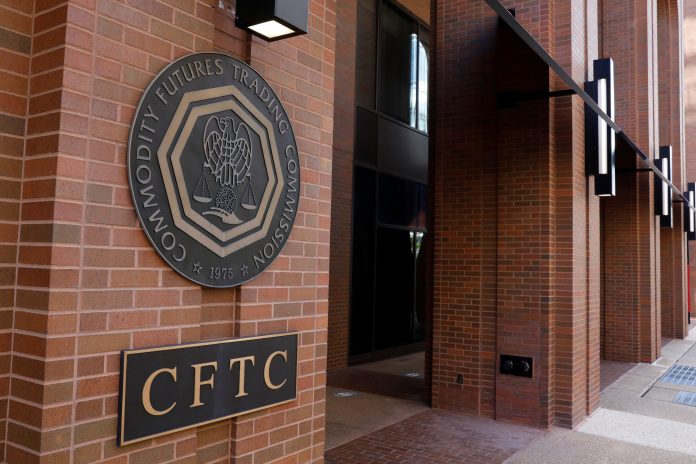
Signage is seen outside of the US Commodity Futures Trading Commission (CFTC) in Washington, D.C., U.S., August 30, 2020. REUTERS/Andrew Kelly

The U.S. Commodity Futures Trading Commission (CFTC) is advancing an initiative to allow spot crypto asset trading on its registered futures exchanges, known as Designated Contract Markets (DCMs).

Announced on August 4, 2025, by Acting Chair Caroline D. Pham, this move is part of the CFTC’s “Crypto Sprint” to implement recommendations from the President’s Working Group on Digital Asset Markets.

The initiative aims to enable immediate trading of digital assets like Bitcoin and Ethereum on federally regulated platforms, leveraging existing authority under the Commodity Exchange Act, which mandates that leveraged or margined retail commodity trading occur on DCMs.

The CFTC is seeking public feedback until August 18, 2025, on how to structure these contracts, including compliance with securities laws and potential jurisdictional overlaps with the SEC’s “Project Crypto.”

This development aligns with recent legislative progress, such as the GENIUS and CLARITY Acts, fostering regulatory clarity for digital assets. However, legal experts warn of potential conflicts, as some crypto assets may blur the line between commodities and securities, creating regulatory risks.

Allowing crypto trading on CFTC-regulated DCMs brings digital assets into a well-established regulatory framework, enhancing their legitimacy in the eyes of institutional investors and traditional financial markets. This move aligns with recent legislative efforts like the GENIUS and CLARITY Acts.

By integrating crypto into regulated futures exchanges, the CFTC is signaling a proactive approach to overseeing digital assets, potentially reducing reliance on unregulated or offshore platforms. Enabling spot crypto trading on DCMs could democratize access to digital assets, allowing retail and institutional investors to trade Bitcoin, Ethereum, and other cryptocurrencies.

Existing futures exchanges, like the Chicago Mercantile Exchange (CME), could expand their offerings, leveraging infrastructure already in place for futures and options to include spot markets, potentially increasing liquidity. The CFTC’s initiative may create friction with the Securities and Exchange Commission (SEC).

The CFTC’s approach relies on the Commodity Exchange Act’s authority over retail commodity transactions, but legal experts note potential conflicts if assets are deemed securities under the SEC’s purview. This could lead to regulatory arbitrage or legal disputes, complicating compliance for market participants.

Trading on CFTC-regulated DCMs requires adherence to strict rules, including know-your-customer (KYC) and anti-money laundering (AML) compliance, which could reduce fraud and enhance consumer trust. Regulated exchanges are subject to oversight, ensuring better risk management, transparency, and safeguards against market manipulation compared to unregulated crypto platforms.

The initiative could spur innovation by allowing exchanges to develop new crypto-based products, such as margined spot contracts or hybrid instruments, fostering competition among DCMs. Established crypto exchanges like Coinbase or Binance may face pressure to align with CFTC standards or partner with DCMs, potentially reshaping the competitive landscape.

How Crypto is Advancing Under This New Regime

The CFTC’s “Crypto Sprint” and alignment with legislative efforts (e.g., GENIUS and CLARITY Acts) reflect a shift toward integrating crypto into existing financial regulatory frameworks. This contrasts with earlier ad-hoc enforcement actions, providing a structured path for compliance.

The CFTC’s request for public feedback by August 18, 2025, indicates an inclusive approach, allowing input from industry stakeholders to shape rules for spot crypto trading, which could lead to more practical and widely accepted regulations.

The availability of regulated crypto trading could also spur the development of crypto-based exchange-traded funds (ETFs) or other investment vehicles, further bridging traditional finance and crypto markets. The integration of crypto into DCMs may encourage technological upgrades to handle high-frequency trading, custody solutions, and real-time settlement.

Crypto’s advancement under this regime faces hurdles, including resolving CFTC-SEC jurisdictional overlaps. For instance, Ethereum’s status as a commodity or security remains debated, impacting how it’s traded on DCMs. The industry must also address technical challenges, such as ensuring DCMs can handle the unique custody and settlement requirements of digital assets, which differ from traditional commodities.

The CFTC’s push to allow crypto trading on registered exchanges is a pivotal step toward mainstreaming digital assets, offering regulatory clarity, consumer protection, and market access. However, jurisdictional tensions, compliance costs, and technical challenges could slow progress.