DD
MM
YYYY

PAGES

DD
MM
YYYY

spot_img

PAGES

Home Blog Page 846

Landmark Africa Begins N10bn Overhaul of Nike Lake Resort in Enugu After Lagos Beach Demolition

0

Landmark Africa has begun the phased renovation of the historic Nike Lake Resort in Enugu, kicking off what it calls the first leg of a N10 billion investment plan aimed at transforming the once-iconic destination into a world-class leisure, tourism, and hospitality hub.

This marks the company’s biggest public redevelopment project since the 2024 demolition of its Landmark Beach property in Lagos, which left the group without its flagship location and forced a broad recalibration of its expansion strategy.

A video shared on Tuesday via the official X (formerly Twitter) handle of Landmark Nike Lake Resort Enugu gave the public its first glimpse into the renovation progress. Footage featured project managers and interior designers walking viewers through the construction zones, highlighting both technical improvements and aesthetic changes already underway. The team noted that Phase A of the project is about 50% complete.

Work so far has involved gutting rooms, removing aging fittings, breaking down cramped structures, and reworking outdated designs.

“We’ve removed outdated elements such as the old television sets and bed frames,” said one of the interior designers featured in the video. “These previous fixtures have been incorporated into our redesign concept and taken out to make room for the new installations.”

In a demonstration of structural intervention, another designer showed how the old bathrooms, once described as “tight and inefficient,” had been completely overhauled.

“One of the first things we did was break down the existing toilet walls… to expand the space,” she said. “There’s now a dwarf wall in place because we plan to install a full-height glass wall. At the moment, we’re finishing the gypsum board ceiling, and screeding has already been completed. By tomorrow, we should begin painting.”

She added that the design philosophy behind the renovation is to create a space that’s “modern yet simple—classy but not excessive.”

Public-Private Partnership with Enugu Government

The extensive renovation follows a landmark joint venture agreement signed in January 2025 between Landmark Africa and the Enugu State Government. Under the deal, the state provided the Nike Lake Resort—situated on a 150-hectare lakeside property—as an equity contribution. Landmark Africa, in turn, secured a 35-year lease to manage, operate, and redevelop the resort under its hospitality portfolio.

Sources familiar with the deal say the state is banking on Landmark’s brand and track record to revive what had become a largely neglected government-owned facility. Nike Lake Resort, once a popular getaway in the Southeast, had fallen into disrepair over the years, unable to compete with more modern hotels and destination resorts in other parts of the country.

The N10 billion earmarked for this first phase of redevelopment will cover the overhaul of the hotel rooms, the construction of private waterfront villas, beach lounges, fine dining outlets, a children’s play park, and a golf course. Other features will include expanded event facilities, boat cruises on the lake, and integrated green spaces—components Landmark says are necessary for attracting both local and international visitors.

From Coastal Crisis to Inland Rebirth

The company’s move to Enugu is seen as part of a major pivot following the loss of its beachfront operations in Lagos. In 2024, Landmark’s multibillion-naira beachfront property—which hosted the Landmark Beach Resort, a top attraction for locals and tourists—was demolished to pave the way for the federal government’s Lagos-Calabar Coastal Highway project. The demolition sparked widespread criticism, with Landmark alleging that its investments were bulldozed without adequate compensation or viable relocation alternatives.

With its Lagos base gone and core operations disrupted, Landmark said it would relocate its Nigerian headquarters and initiate new expansion efforts. Company founder and CEO Paul Onwuanibe described the shift as a “strategic reset” aimed at reducing dependency on Lagos and tapping into underutilized tourism markets across Nigeria and Africa.

Shortly after the demolition, Landmark announced that it had received expressions of interest from governors across 12 states offering land and support to host new developments. After internal evaluations, Landmark selected Enugu and Rivers States as the first two confirmed locations for its next phase of expansion.

In Rivers State, the company signed an agreement with the state government to redevelop the Port Harcourt Tourist Beach into a modern leisure and hospitality destination. Initial plans suggested that work would begin in the first quarter of 2025, with a phased delivery schedule expected to run through the end of the year.

However, as of mid-July, no official update has been issued by either Landmark or the Rivers State Government regarding the status of that project. Sources close to the matter say delays may be tied to land documentation issues and internal administrative changes in the state.

Reviving Domestic Tourism

Tourism analysts say Landmark’s pivot to states like Enugu could mark a turning point for Nigeria’s struggling domestic tourism industry, long held back by infrastructural decay, poor policy execution, and insecurity. Enugu, with its peaceful setting and long-standing reputation as a cultural and historical center, offers significant untapped potential, particularly if supported by private sector capital and modern hospitality standards.

While construction continues at Nike Lake, Landmark Africa says it remains committed to building iconic destinations that not only serve local communities but also attract global attention. If successful, the Nike Lake Resort could become the centerpiece of that new vision—one born not from expansion, but from crisis.

Naira Projected to Trade Between N1,500–N1,600 in H2 2025 Amid CBN Interventions and Oil Market Volatility 

0

Financial analysts at Optimum Global have projected that the naira will trade between N1,500 and N1,600 to the dollar in the second half of 2025, assuming Nigeria sustains current macroeconomic stability and continues targeted interventions.

The forecast, published in the firm’s newly released half-year outlook titled “Anchored Policy, Unanchored Risks”, builds on trends from the first half of the year and anticipates a moderate outlook for the local currency amid a still-volatile global energy landscape.

The report points to strategic currency interventions by the Central Bank of Nigeria (CBN) as a critical factor that helped keep the naira afloat in the face of several external headwinds, particularly sharp swings in oil prices and heightened foreign exchange demand.

First-Half Recap: From Stability to Volatility and Back

The naira opened the year relatively strong, trading at about N1,537/$ in early January. By the end of the month, it appreciated to N1,480/$, largely due to a temporary surge in Brent crude oil prices, which crossed $76 per barrel, while Nigerian oil blends commanded even higher premiums on global markets.

However, that strength was short-lived. Between February and April, the naira weakened steadily, hitting a low of N1,596/$ as oil prices plunged below $60 per barrel. This price slump followed OPEC’s announcement that it would boost oil production to 2.2 million barrels per day by November, starting with a nearly 1 million barrel per day increase between April and June. The prospect of higher global supply pushed prices down, weakening Nigeria’s forex earnings and investor confidence.

The trend reversed from May through June, as geopolitical tensions in the Middle East reignited fears of supply disruptions. Conflicts between Iran and Israel, and U.S.-Iran standoffs over the Strait of Hormuz—a critical global oil chokepoint—drove prices back up. Nigerian crude traded above $70 per barrel again, restoring some strength to the naira. By the end of June, the currency had climbed to around N1,530/$, recovering nearly 3% from its April trough.

CBN’s Dollar Sales and Reserves Cushion the Naira

Optimum Global’s analysts credit the CBN’s consistent dollar interventions for softening the impact of external shocks. In particular, a significant injection of $197.71 million on April 4 helped stabilize the market amid heightened pressure from falling oil revenues and broader global economic volatility. At the time, the U.S. had just introduced new import tariffs on multiple trading partners, which triggered risk aversion and dollar hoarding across many emerging markets.

Nigeria, highly dependent on crude exports for foreign earnings, saw demand for the dollar rise as reserves came under strain. However, with external reserves climbing to $38.5 billion by June, the CBN had the firepower to continue supplying liquidity and ease pressure on the local currency.

“The naira would have fared much worse if not for the CBN’s timely interventions, particularly during March and April when FX pressure was mounting,” the Optimum Global report stated.

The firm highlighted that while oil prices play a major role in determining the naira’s trajectory, the ability of the CBN to maintain reserve buffers and respond decisively is what has kept investor confidence relatively stable.

What to Expect in H2 2025

Looking ahead, Optimum Global expects the naira to remain range-bound between N1,500 and N1,600 per dollar, provided macroeconomic stability holds and reserves are adequately managed. While geopolitical risks and global oil dynamics remain uncertain, Nigeria’s ability to respond swiftly through policy measures could help limit the downside.

However, the report also warns that risks remain “unanchored,” especially if oil prices fall below sustainable levels or if the CBN is forced to scale back interventions due to reserve depletion. A scenario of prolonged geopolitical instability or new shocks in global financial markets could also derail the fragile stability.

Still, analysts remain cautiously optimistic, noting that the CBN has shown greater agility in responding to currency pressure in recent months.

The report concluded that if current policy coordination is sustained and reserve levels remain above $35 billion, the naira will continue to trade within a controlled band, even with moderate oil price fluctuations.

As the second half of the year begins, the spotlight remains on both the oil market and the CBN’s willingness—and ability—to maintain a firm grip on the FX market.

Egyptian Fintech PALM Raises Seven-Figure Pre-Seed Round to Revolutionize Goal-Based Saving in MENA

0
Fund, money cash dollar

PALM, an Egypt-based fintech startup focusing on wealth management, has secured a seven-figure pre-seed funding round, led by 4DX Ventures with participation from Plus VC and several international angel investors.

This funding marks a major step in PALM’s mission to reshape personal finance by offering a smarter, more personalized, and rewarding way for Egyptians to save and achieve life goals.

With the fresh capital, PALM plans to accelerate user acquisition, expand its product offering, and forge strategic partnerships to enhance the user experience. The company is also committed to establishing itself as a culturally relevant financial solution that aligns saving with real-life events, turning financial planning into a meaningful, everyday practice.

Commenting on the funding round, Peter Orth of 4DX Ventures said,

“PALM fits our vision of backing bold founders creating long-term prosperity in Africa. Their model of turning major life expenses into wealth-building opportunities is a game-changer for financial wellness on the continent.” Hasan Haider of Plus VC added, “They’re addressing a critical gap in personal finance and are well-positioned to become a trusted financial companion for the next generation.”

Hasan Haider of Plus VC added,

“They’re addressing a critical gap in personal finance and are well-positioned to become a trusted financial companion for the next generation.”

A New Approach to Saving

Founded in 2024 by Mazen El Kerdany and Ahmed Ashour, PALM is Egypt’s first goal-based savings platform, designed to help users reach important life milestones such as education, healthcare, travel, and homeownership through behavioral technology and embedded finance.

The platform offers curated investment options in equities, fixed income, and precious metals, while incentivizing consistent saving habits through rewards and exclusive merchant deals, thus maximizing the real-world value of users’ savings.

Bridging a Critical Gap

Despite Egyptians holding over EGP 85 trillion in traditional assets like deposits, gold, and real estate, access to modern, digital financial tools remains limited. PALM addresses this disconnect by embedding investment into daily financial behavior, encouraging consistent savings while improving financial literacy and inclusion.

“Our inspiration came from the clear need for more accessible, goal-aligned financial tools,” said Mazen El Kerdany, CEO of PALM.

“The old formula of ‘earn, spend, save what’s left’ doesn’t work anymore. With PALM, we’re enabling smarter spending and structured saving—giving people real incentives and real returns.”

By helping individuals save, spend, and invest more intelligently, PALM is supporting Egypt’s Vision 2030 objectives around financial inclusion, capital market participation, and household financial resilience.

Egypt’s Vision 2030, launched in February 2016 by the Egyptian government under President Abdel Fattah el-Sisi, is a national agenda aligned with the United Nations Sustainable Development Goals (SDGs) and the Sustainable Development Strategy for Africa 2063.

It emphasizes inclusive and sustainable development across economic, social, and environmental dimensions, with financial inclusion as a core objective to promote economic resilience, reduce poverty, and enhance social equity. To help fast track this vision, PALM plans to play a key role in modernizing Egypt’s financial services landscape as it scales.

As the company scales, it aims to become the go-to financial partner for life’s milestones across the Middle East and North Africa (MENA) region, empowering users to protect their families, employees, and futures with purpose-driven, intelligent savings.

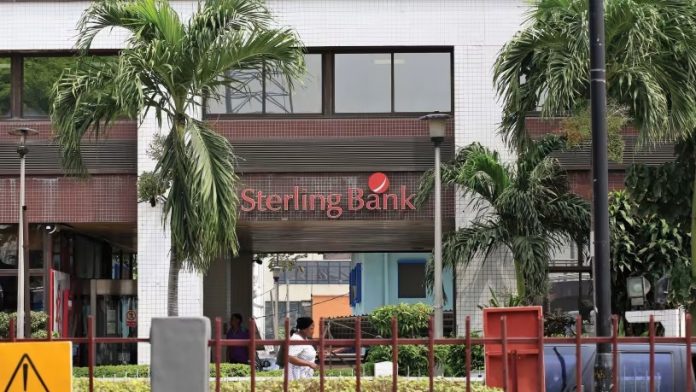
Sterling Bank Moves to Raise $400m in Capital Through Debt and Equity Instruments to Strengthen Balance Sheet

0

Sterling Bank Plc has announced a bold plan to raise up to $400 million in capital as it positions itself for long-term growth, increased competitiveness, and strategic partnerships across local and international markets.

The announcement, made after the bank’s 2nd Annual General Meeting held virtually, follows shareholder approval for the wide-ranging capital raise, which will occur through both debt instruments and equity offerings.

In a statement signed by Company Secretary Adeyoola Temple, the bank confirmed that it will create a Shelf Programme, allowing it to issue financial instruments in tranches or series over a specified period. This mechanism gives Sterling the flexibility to tap the capital markets incrementally as needed, without launching a new issuance each time.

According to the statement, the bank is authorized to raise up to $400 million—or the naira equivalent—through instruments such as bonds, commercial papers, sukuks, debentures, medium- or short-term notes, preference shares, ordinary shares, and global depositary receipts. These instruments may be issued via public offerings, private placements, rights issues, or any other mechanisms approved by relevant regulators.

Pricing and interest rates for the instruments will be set through book building or similar valuation methodologies, and the bank will secure necessary approvals from market regulators including the Central Bank of Nigeria (CBN), the Securities and Exchange Commission (SEC), and relevant exchanges.

Expanding Capital Structure

To support this capital mobilization effort, Sterling Bank’s Board of Directors has received an unconditional mandate to expand the bank’s share capital within a two-year window. This mandate, granted under Sections 127(1) and 149(1)(a) of the Companies and Allied Matters Act 2020—as amended by the Business Facilitation Act 2022—authorizes the board to issue additional shares and revise the bank’s capital structure as necessary.

In case of a rights issue, any unclaimed shares will be redistributed to shareholders who have expressed a willingness to acquire more equity, subject to the board’s discretion. The capital raise also allows Sterling Bank to list and admit the new securities for trading on domestic and international platforms, including the Nigerian Exchange Limited (NGX), FMDQ Securities Exchange Limited, or other exchanges deemed suitable.

In preparation for the expansion, the bank’s Board has been authorized to amend the Memorandum and Articles of Association to reflect the updated capital structure. Additionally, the Company Secretary has been tasked with registering all capital increases with the Corporate Affairs Commission (CAC) and implementing the necessary regulatory filings as each tranche is issued.

Sterling Bank will also hire legal and financial advisers to guide the process and ensure that all aspects of the raise meet compliance and governance standards.

Positioning for Long-Term Growth

A spokesperson close to the bank’s executive team described the move as a strategic step toward achieving long-term expansion and improving the bank’s ability to compete at both the local and global levels. The capital raise, the spokesperson said, is expected to bolster the bank’s liquidity, expand its capacity to offer credit, and enable more agile responses to growth opportunities across different sectors.

Sterling’s push comes amid a tightening regulatory environment where Nigerian banks are under pressure to strengthen their capital base ahead of a central bank deadline that mandates lenders to meet new capital requirements to support a more resilient banking sector.

A Customer-Centric Outlook

The capital raise follows another major move by Sterling Bank earlier this year that drew public attention. In April, the bank announced it would no longer charge fees on local online transfers conducted through its mobile app—a gesture that was initially met with skepticism as it coincided with April Fools’ Day.

Despite the timing, the policy proved real and has since been touted as a customer-first initiative aimed at improving the digital banking experience. Sterling has positioned itself as a pioneer in customer-centric banking, by eliminating local transfer fees, setting a new standard among Nigerian banks grappling with digital transformation and rising user expectations.

These moves collectively reflect a bank recalibrating its operations for broader ambitions—combining stronger financial backing, technological innovation, and a sharpened focus on customer service to ensure growth.

Nigeria’s Crude Oil Output Hits 1.5mbpd in June — Highest Since January, But Still Below Budget Targets

0

Nigeria’s daily crude oil production rose to 1.505 million barrels per day (bpd) in June 2025, marking the highest output recorded since January, according to the Organization of the Petroleum Exporting Countries (OPEC).

The increase, though a welcome improvement, still falls short of the oil benchmark used to structure Nigeria’s 2025 national budget, stirring renewed concern over the country’s fiscal projections.

In its latest Monthly Oil Market Report released on Tuesday, OPEC disclosed that the production figures were sourced through direct communication with Nigerian authorities. It represents a 3.58 percent uptick from the 1.453 million bpd recorded in May. OPEC’s secondary sources, which track shipments and oilfield activity, put Nigeria’s output slightly higher at 1.547 million bpd.

June’s production means Nigeria met its OPEC-assigned quota of 1.5 million bpd for the second time this year. It also helped the country retain its position as Africa’s top oil producer, ahead of Algeria’s 927,000 bpd.

Progress, But Not Enough

Despite the rebound, analysts say the figure raises red flags for Nigeria’s broader economic stability, particularly given that crude oil remains the country’s top source of revenue and foreign exchange. Nigeria’s 2025 budget was pegged at an ambitious production target of 2.06 million bpd, while the 2024 budget had projected 1.78 million bpd — both well above the current output.

“Nigeria just hit 1.5 million bpd oil output, which funds the federation. The 2025 budget projection is 2.06 million bpd. The 2024 budget projection is 1.78 million bpd. Nigeria will run the 2025 budget plus the capital budget of 2024 in 2025—yes, two budgets—yet it has not hit the oil output target in either year,” noted financial analyst and economist, Kalu Aja.

The mismatch between oil output and budget projections spells potential fiscal instability. With insufficient crude volumes to meet revenue expectations, Nigeria may be forced to rely more heavily on borrowing or increase its dependence on non-oil revenue — a risky move amid declining tax compliance and subdued economic growth.

OPEC’s Global Outlook and Nigeria’s Role

In the wider context, OPEC reported that total crude production among countries in the Declaration of Cooperation (DoC) rose by 349,000 bpd in June, bringing collective output to 41.56 million bpd. OPEC+ had earlier this month agreed to increase global supply by 548,000 bpd starting in August, responding to tightening supply dynamics and resurgent demand.

But beneath the surface, OPEC’s leadership continues to warn of future global supply risks. At the 24th Nigeria Oil and Gas (NOG) Energy Week Conference in Abuja, OPEC Secretary-General Haitham Al Ghais warned that the world could face a shortfall of 23 million bpd by 2030 if upstream investment lags.

According to Al Ghais, over $17.4 trillion in oil sector investment is needed globally to prevent that shortfall and meet projected energy demand. The warning is particularly relevant for Nigeria, where aging infrastructure, oil theft, pipeline vandalism, and underinvestment have hampered recovery.

The OPEC report also revealed an increase in oil exports to OECD countries, with preliminary data showing commercial inventories rose to 2.771 billion barrels in May, up 34.5 million barrels from April. Despite the month-on-month rise, OECD inventories remain 127.7 million barrels below the latest five-year average and 184.2 million barrels below the 2015–2019 benchmark, indicating sustained pressure on global supply chains.

Outlook for Nigeria

With June’s production numbers offering only a partial relief, the Nigerian government now faces mounting pressure to aggressively stabilize and scale output. The Petroleum Industry Act (PIA), passed in 2021 to overhaul the sector, has yet to fully deliver expected results. Analysts say improving security in the Niger Delta, enhancing operational transparency, and attracting fresh investment remain critical steps.

However, the gap between oil production and budget expectations looms large, and could define whether Nigeria navigates the 2025 fiscal year with relative stability or deeper financial strain.