DD
MM
YYYY

PAGES

DD
MM
YYYY

spot_img

PAGES

Home Blog Page 857

Implications of DOJ and CFTC Closing of Polymarket Investigation with No Charges

0

The U.S. Department of Justice (DOJ) and the Commodity Futures Trading Commission (CFTC) have concluded their investigations into Polymarket, a blockchain-based prediction market platform, with no charges filed. The probes, initiated during the final months of the Biden administration, examined whether Polymarket violated a 2022 CFTC settlement that required the platform to block U.S.-based users from placing bets, particularly through workarounds like VPNs.

The investigations gained attention after Polymarket’s surge in popularity during the 2024 U.S. presidential election, where it accurately predicted outcomes, drawing scrutiny for allegedly allowing U.S. users to participate despite the ban. Polymarket received formal notices earlier this month confirming the closure of both the civil and criminal probes, signaling a regulatory shift under the Trump administration’s more crypto-friendly stance. This resolution may pave the way for Polymarket to explore reentering the U.S. market, potentially through CFTC registration or partnerships.

The resolution without charges allows Polymarket to operate without the immediate threat of U.S. regulatory penalties. This is a significant win, as the investigations focused on potential violations of a 2022 CFTC settlement that barred Polymarket from offering services to U.S. users. The closure signals a possible path for Polymarket to explore reentering the U.S. market legally, potentially by registering as a designated contract market (DCM) with the CFTC or partnering with compliant entities like Kalshi, a CFTC-regulated prediction market.

This could expand Polymarket’s user base and trading volume, which reached $2.3 billion in October 2024 alone. The lack of charges enhances Polymarket’s credibility, reinforcing its position as a leading prediction market platform, especially after its accurate forecasting during the 2024 U.S. presidential election. The DOJ and CFTC’s decision not to pursue charges may indicate a softening regulatory stance under the Trump administration, which has expressed pro-crypto policies.

This could encourage other prediction markets to push boundaries, testing U.S. regulations while leveraging offshore structures. With Polymarket potentially eyeing U.S. reentry, competitors like Kalshi, which operates legally in the U.S., may face heightened competition. This could drive innovation but also regulatory scrutiny to ensure a level playing field.

The resolution may attract more institutional and retail interest in prediction markets, as regulatory clarity reduces perceived risks. Prediction markets could gain traction for forecasting not just elections but economic indicators, sports, and other events. The closure aligns with a broader shift toward crypto-friendly policies in the U.S., potentially encouraging blockchain-based platforms to innovate without fear of aggressive enforcement.

Polymarket’s offshore operations (based in Panama) highlight the tension between global blockchain platforms and U.S. regulations. The resolution may prompt discussions on harmonizing international and U.S. regulatory frameworks. Polymarket operates legally outside the U.S. but faced scrutiny for allegedly allowing U.S. users to access its platform via VPNs, violating the 2022 CFTC settlement.

The closure of the investigation reflects a potential shift from the Biden administration’s stricter enforcement to a more lenient approach under Trump, creating a divide between past and present U.S. regulatory priorities. Prediction markets sit in a gray area between the CFTC (which regulates derivatives and futures) and the SEC (which oversees securities). The CFTC’s jurisdiction over Polymarket’s activities contrasts with potential SEC interest if prediction contracts are deemed securities, creating regulatory uncertainty.

Polymarket has advocated for prediction markets as tools for public good, providing real-time, market-driven insights (e.g., election forecasts). Regulators, however, prioritize consumer protection and compliance, viewing unrestricted access as a risk for fraud or manipulation. The 2022 CFTC settlement barred U.S. users, creating a divide between American bettors, who resorted to VPNs, and international users, who face fewer restrictions. This has fueled debates about fairness and access to decentralized platforms.

Platforms like Kalshi, which comply with U.S. regulations, argue that offshore platforms like Polymarket gain an unfair advantage by sidestepping rules. The investigation’s closure may pressure competitors to innovate or lobby for stricter enforcement. Supporters, including crypto enthusiasts and data analysts, view Polymarket as a valuable tool for aggregating collective wisdom, outperforming traditional polls (e.g., its accurate 2024 election predictions). They argue for lighter regulations to foster innovation.

Critics, including some regulators and traditional financial institutions, see prediction markets as akin to gambling or speculative trading, raising concerns about market manipulation, addiction, or unregulated financial flows.

Polymarket’s use of blockchain (Polygon, a layer-2 Ethereum solution) enables transparency and decentralization but complicates regulatory oversight due to its borderless nature. Traditional platforms like Kalshi operate within regulated frameworks, creating a divide between Web3 and legacy systems.

The DOJ and CFTC’s decision to close their investigations into Polymarket is a pivotal moment for the platform and the prediction market industry. It alleviates immediate regulatory pressure, potentially enabling Polymarket to pursue U.S. market reentry and boosting its legitimacy. However, it also underscores ongoing divides: between U.S. and global regulations, compliant and offshore platforms, and blockchain-based versus traditional systems.

These divides will likely shape future regulatory debates, especially as prediction markets gain prominence and the U.S. navigates its crypto policy under a new administration. If Polymarket leverages this opportunity to align with U.S. regulations, it could bridge some of these divides, fostering a more integrated and innovative prediction market ecosystem.
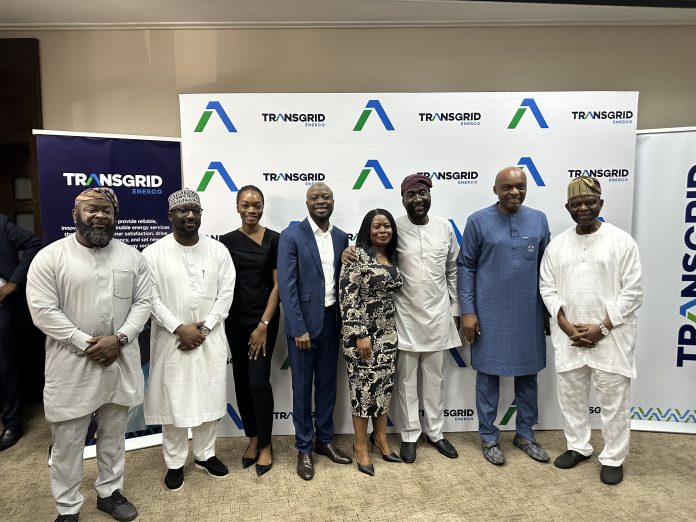
Transgrid Enerco and the Future of Electricity Distribution in Nigeria: Innovation, Business Model, and the Lagos Imperative

0

Electricity powers modern civilization – it fuels factories, lights homes, enables fintechs, keeps cold chains alive, and connects cities to commerce. In the orchestration of national development, energy is the conductor. And in Nigeria, the city of Lagos is the stage where the most critical acts of commerce are played. From the ports of Apapa to the skyscrapers of Victoria Island, from the high-density residential estates of Lekki to the business clusters of Marina, Lagos remains Nigeria’s economic heartbeat.

Whoever supplies power to Lagos controls the flow of oxygen to Nigeria’s economy. That is why the emergence of Transgrid Enerco, a new private-sector-led consortium preparing to take over the Eko Electricity Distribution Company (EKEDC), deserves national attention.

This is not just another corporate reshuffling or privatization story. It is a shift in how we imagine the delivery, management, and sustainability of electricity in a country long haunted by power sector inefficiencies. Transgrid Enerco is positioning itself not only as a utility operator—but as a transformational enterprise. And that matters, for what happens in Lagos sets the tone for what is possible across Nigeria.

The Power of Lagos: Why EKEDC Is a Strategic Asset

EKEDC is not a typical utility zone. It covers southern Lagos and parts of Ogun State, including economic clusters like Lagos Island, Lekki, Victoria Island, Apapa, and Ibeju-Lekki. These are hubs of finance, logistics, real estate, tourism, and digital innovation. Within this belt are ports, embassies, fintech startups, multinational HQs, and luxury estates.

Yet, beneath the affluence and industry lies a painful contradiction—unreliable electricity supply in Nigeria’s most vital economic zones.

The implication is profound: energy deficits in Lagos mean economic stagnation for the entire nation. A transaction delay in Apapa ripples through the national supply chain. A data center outage on Victoria Island compromises financial services. A lack of reliable power in Lekki disrupts production in industrial parks.

Hence, the need for a capable and innovative energy distributor in this region is not just a commercial necessity—it is an economic imperative for Nigeria.

Who Is Transgrid Enerco?

Transgrid Enerco is a partnership between:

  • Axxela Limited – A West African gas distribution leader;
  • North South Power – A major hydroelectric power generation company in Nigeria; and
  • Stanbic IBTC Infrastructure Fund – The country’s largest infrastructure-focused investment vehicle.

Together, they bring a rare mix of technical, operational, and financial expertise to tackle the complex problem of power distribution in Nigeria.

This isn’t a group of rookies entering the market with theory; it is a calculated assembly of institutions with track records in energy finance, distribution logistics, and power generation. Their acquisition of a 60% equity stake in EKEDC marks a historic market-driven reform in the power sector, setting a new precedent for energy investment and management.

The Right Business Model: From Collection to Customer Trust

For years, electricity distribution companies in Nigeria have struggled with a toxic mix of high losses, low collection efficiency, and customer distrust. In many communities, estimated billing remains the norm. In others, prepaid meters are available but poorly managed. The result is a vicious cycle of underinvestment, vandalism, and apathy.

Transgrid Enerco plans to break this cycle through a business model centered on payment transparency, customer segmentation, and data-driven service delivery.

Key Strategic Anchors Include:

  1. Smart Metering and Analytics – Leveraging data to ensure accurate billing and predict faults before they happen. This reduces losses and builds consumer trust.
  2. Customer Segmentation – Different customers have different needs. A banking district requires a different SLA (service-level agreement) than a low-income residential estate. Transgrid plans to deliver tailored service levels to each segment.
  3. Technology-Driven Revenue Assurance – From tamper-proof meters to mobile bill payment platforms, technology will be used to plug leakages and improve cash flow reliability.
  4. Digital Channels for Engagement – Customers want to interact with their utility providers the way they interact with banks—via mobile apps, WhatsApp bots, and real-time dashboards. Transgrid aims to meet this expectation.
  5. Community-Based Anti-Theft Campaigns – Rather than just policing theft, Transgrid will educate and engage communities, showing them how electricity theft drains infrastructure and worsens outages for everyone.

This is a modern approach to a persistent problem. It recognizes that power delivery is not just about electrons—it is about trust, accountability, and convenience.

Infrastructure Renewal and Workforce Reform

A distribution company is only as strong as its infrastructure and workforce.

Transgrid Enerco plans to invest significantly in feeder lines, transformers, substations, and grid modernization. The goal is to minimize technical losses, reduce faults, and ensure consistent delivery even under rising demand.

Beyond equipment, the consortium is also focused on reforming the operational culture of the workforce:

  • Employees will operate under clear Key Performance Indicators (KPIs).
  • Service training and technical retraining will be standard.
  • A performance-oriented culture will replace the legacy of bureaucratic inertia.

In essence, they want to rebuild not just the wires—but the people and processes behind the wires.

The Innovation Playbook: What’s New in the Market?

Innovation is central to Transgrid Enerco’s offering. While many focus only on plugging leakages and collecting revenue, this consortium wants to reimagine how power is delivered, monitored, and paid for in a digital age.

Here are some of the innovations being introduced:

  • Real-Time Monitoring Systems: These tools will allow both customers and internal teams to track outages, consumption trends, and payment histories in real time.
  • AI-Driven Fault Detection: Predictive algorithms will be deployed to preempt transformer failures, line faults, and overloads—reducing downtime.
  • Prepaid Meter Ecosystems with Mobile Top-Ups: Customers will no longer queue at vendor shops. Bill settlement will be embedded into banking apps, telco platforms, and fintech wallets.
  • API Access for Industrial Clients: Large energy consumers can plug into energy dashboards via APIs, helping them optimize operations and reduce costs.
  • Green Energy Integration: While EKEDC is a distribution company, Transgrid’s broader ecosystem—especially with North South Power and Axxela—creates opportunities to blend in gas and renewable sources for future distributed generation projects.
  • Blockchain-Lite Transparency Layers: Though not full blockchain deployment, ledgers will be implemented to track transactions, complaints, and payments in a tamper-evident format.

All these underscores one idea: Transgrid Enerco is not just distributing electricity; it is distributing intelligence.

Why This Matters for Nigeria

Electricity reform in Nigeria has suffered from over-promising and under-delivering. Consumers are jaded, investors are skeptical, and policymakers are often reactive. But every now and then, a window opens—a credible investor group emerges, a strong asset is at stake, and there is sufficient public goodwill for reform.

That is what this moment represents.

If Transgrid Enerco succeeds in Lagos, it will offer a credible model for other discos nationwide. More importantly, it will show that:

  • The private sector can reform legacy institutions.
  • Technology can be used to create inclusive, accountable utility systems.
  • Energy distribution in Nigeria can be viable—both commercially and socially.

Wishing Them Well: A National Project in Corporate Hands

In Tekedia, we believe that markets are the most efficient tools for allocating resources and delivering progress. But markets alone are not enough. What is required is execution, integrity, and innovation—the very elements Transgrid Enerco has pledged.

So, we watch, as a country, hopeful and alert. This isn’t just about electricity in Lagos. It’s about proving that Nigeria can get energy right, starting from its commercial capital.

If Lagos gets power, Nigeria gets a new chance.

Let us wish them well.

Is This the Next Breakout Altcoin? Analysts Say SpacePay’s Presale Is Worth a Closer Look

0

You know that feeling when you’re buying coffee and realize you’ve got thousands in Ethereum but can’t actually spend any of it? Yeah, that’s been the story for crypto owners everywhere.

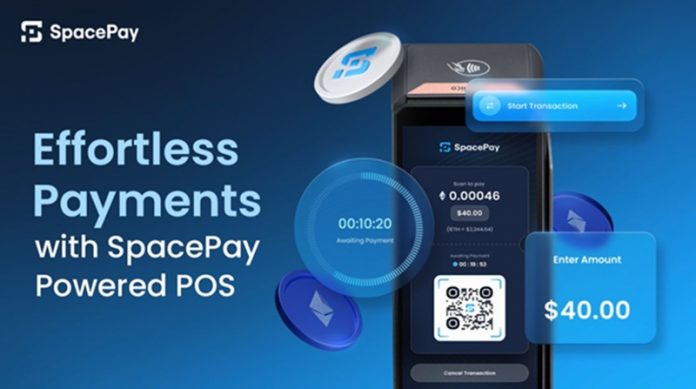
SpacePay is working to change that completely by letting merchants accept crypto payments through their existing card machines while converting everything to local currency instantly. 

The London-based platform charges just 0.5% in fees and supports over 325 different wallets. The project has already raised over $1.1 million in its presale with $SPY tokens currently priced at $0.003181.

How Shopping with Crypto Finally Becomes Simple

Most people with Ethereum or Bitcoin just watch their balance go up and down without ever using it for real purchases. Sure, you could convert it to cash first, but then you’re paying exchange fees and dealing with taxes. Plus, what if the price shoots up right after you sell?

SpacePay makes this whole thing way easier. Want to grab groceries with your Ethereum? Just scan, tap, done. No more standing around for twenty minutes waiting for blockchain confirmations like some kind of digital caveman.

The best part is you don’t need to switch wallets or download anything new. Using MetaMask? Great. Prefer Trust Wallet? Works fine. Got some weird wallet nobody’s heard of? Probably works too. People get attached to their crypto apps, and SpacePay gets that.

Speed makes all the difference here too. While traditional crypto transactions can take forever to confirm, SpacePay processes everything instantly. It feels exactly like tapping your phone for contactless payment.

Why Merchants Are Finally Ready for Crypto Payments

The biggest obstacle to crypto adoption isn’t technology – it’s getting regular businesses to accept digital payments. Most shop owners take one look at cryptocurrency and walk away. They don’t want to learn complicated systems or worry about Bitcoin prices crashing after someone buys a sandwich.

SpacePay solves this by working with equipment businesses already have. Those Android card readers sitting on counters everywhere can handle crypto payments after a simple software update. No new hardware needed. No expensive installations. No training staff for weeks on unfamiliar technology.

When customers pay with crypto, merchants see regular money hit their accounts immediately. A $50 meal stays exactly $50 in the restaurant’s books, even if Ethereum drops 15% an hour later. This protection removes the biggest fear that keeps shop owners away from digital currencies.

The 0.5% transaction fee also helps convince businesses to give crypto payments a try. Most credit card companies charge 2.5% to 3.5% per transaction. A busy restaurant processing $40,000 monthly could save over $1,000 just by accepting crypto payments instead of relying solely on traditional cards.

Visit SpacePay Presale

Why Crypto Holders Are Getting Excited

For people holding cryptocurrency, SpacePay solves a problem they’ve lived with since buying their first crypto. Finally, there’s a practical way to use digital assets for normal purchases without jumping through hoops.

You can spend whatever cryptocurrency you prefer too. Ethereum works perfectly, but so do Binance Coin, MATIC, USDT, and other popular options. The system doesn’t care which coin you choose – it just converts everything to local currency for the merchant.

This flexibility extends to where you can shop as well. Any business with an Android POS terminal can potentially accept crypto payments. That includes coffee shops, restaurants, retail stores, and service businesses. Suddenly your crypto becomes spendable at thousands of locations instead of just a few crypto-friendly shops.

The security aspect matters too. Crypto holders have learned to be cautious about where and how they spend their digital assets. SpacePay uses proper encryption and monitors transactions in real-time, which helps ease those concerns about losing money to sketchy payment processors.

What Makes the $SPY Token Presale Worth Considering

SpacePay runs on its own token called $SPY, which offers holders several practical benefits beyond just facilitating payments. Token owners get voting rights on platform decisions and new features. They receive monthly loyalty rewards based on their activity. Early access to new features gives them advantages over regular users.

The revenue-sharing model stands out as particularly interesting. As more businesses process payments through SpacePay, token holders earn a portion of those 0.5% fees. This connects token value directly to platform success rather than pure speculation.

Out of 34 billion total tokens, SpacePay only gave themselves 5% and put 20% up for public sale. The rest goes toward actually building stuff – development, partnerships, user rewards, marketing. It’s nice to see founders who aren’t just grabbing everything for themselves.

They also do these quarterly calls where you can actually talk to the people running things. Ask them whatever’s bugging you about the project. Most crypto teams just post mysterious updates and vanish, so having real conversations feels pretty refreshing.

Anyone interested in the $SPY presale can visit SpacePay’s official website and connect their crypto wallet. The platform accepts ETH, BNB, MATIC, AVAX, USDT, USDC, and regular bank cards for newcomers to crypto. 

With tokens currently priced at $0.003181, participants can choose their investment amount and complete the transaction through simple on-screen instructions.


JOIN THE SPACEPAY ($SPY) PRESALE NOW

Website    |    (X) Twitter    |  Telegram

What Startups Need to Scale Operations in a Digitally Competitive Market

0
An account manager reviewing plans with a client.

How many small businesses make it past the first year? Growing a startup is not just about getting bigger. It is about growing in a smart way. It feels sometimes like it’s impossible to keep up with new developments in business technology, and at the same time, it’s imperative for new companies to adapt quickly, stay flexible, and use tools that can grow with them.

Startups should go beyond just launching a basic product. They need strong systems and processes that support long-term growth. But how can small teams with limited budgets compete with large tech companies?

Let us look at the most important things startups need to grow the right way and the tools that can help them get there.

Embrace Scalable Tools from Day One

Startups often focus on MVPs, bootstrapped solutions, and manual processes in the early days, which is understandable. However, operational bottlenecks begin to form quickly as customers grow and team demands increase. That’s why implementing scalable tools early is key to sustainable growth.

PDFinity is a tool that represents this ethos well. Designed to simplify document handling—editing, merging, signing, and compressing PDFs online—it’s a cloud-native solution that grows with your team. You avoid the need for expensive desktop software or complex installations while offering employees and clients fast, accessible digital workflows.

This type of lightweight, browser-based software isn’t just convenient—it’s strategic. It allows companies to remain lean while keeping operations flexible and professional.

Build a Strong Digital Infrastructure

Invest in API-Friendly Platforms

Startups should look for platforms that can integrate easily across sales, marketing, HR, and customer service. Using tools that connect through APIs or prebuilt integrations reduces data silos and improves team collaboration.

For example, using a CRM like Zoho or HubSpot, which easily integrates with your communication and billing systems, allows your team to manage customer lifecycles without jumping between tabs.

Prioritize Cloud-Based Collaboration

Remote and hybrid work are not going away. Tools like Google Workspace, Slack, and Trello help teams in different locations stay connected and on the same page. Growing your business is not just about hiring more people. It is also about helping your current team work better and faster.

A report from MIT Sloan Management Review showed that companies leading in digital tools are almost twice as likely to grow faster than others in their industry. That kind of growth often begins by choosing tools that make work easier, not harder.

Standardize Processes Without Losing Flexibility

Create SOPs (Standard Operating Procedures)

Documenting workflows—from onboarding new hires to responding to customer queries—helps reduce reliance on individual knowledge and ensures consistency.

Use Automation to Your Advantage

Whether you are using Zapier to handle repetitive tasks or setting up email workflows to follow up with leads, automation helps save time and reduce mistakes. A report by McKinsey and Company found that 45% of tasks people are paid to do could be automated using technology we already have. For startups, automation allows more time to focus on new ideas instead of just keeping things running.

Scale with Customers in Mind

Offer Digital Self-Service Options

As customers get more comfortable with technology, they expect quick answers. A strong FAQ section, chatbots, or a helpful knowledge base can take pressure off your support team and help users find what they need on their own.

Personalize at Scale

Even small startups can offer personalized experiences by using CRM data, smart emails, and content based on customer behavior. The main goal is to focus on the customer without making things too complicated for your team.

A good example of this approach is shared in an article by Tekedia called The Customer “Experience Effects”. It shows how using digital tools can improve customer loyalty and help a business run more smoothly.

Think Beyond the Tech Stack

Develop a Scalable Culture

Many people assume culture is a soft part of business, but it is actually the foundation for growth. A team that can adapt, use digital tools well, and focus on results is more likely to keep moving forward as your customer base grows.

Train your team, give them the freedom to make decisions, and use tools that help everyone work together toward the same goals.

Plan for the Long Term

Finally, smart startups plan for growth. This means setting aside money for the right tools, hiring people based on long-term goals instead of just quick fixes, and setting clear goals every few months that are backed by data.

Final Thoughts: Scale Starts With Smart Systems

When growing a startup, every choice matters. The tools, systems, and habits you build now will either help you grow or hold you back later. Tools like PDFinity, which make everyday tasks easier and faster, should be part of your startup toolkit.

By using flexible tools, building smart systems, and thinking about long-term growth, your startup can keep up with the demands of a tough digital market and do well in it.

Sources

MIT Sloan Management Review, “The Nine Elements of Digital Transformation,” https://sloanreview.mit.edu/article/the-nine-elements-of-digital-transformation/

McKinsey & Company, “Harnessing Automation for a Future That Works,” https://www.mckinsey.com/featured-insights/digital-disruption/harnessing-automation-for-a-future-that-works

The Career of the Future – AI Workforce Manager

0

Tekedia Institute believes that managing AI, particularly as it becomes commonplace, is a significant opportunity and a crucial skill for the future workplace. Largely, if knowledge becomes largely commoditized because of AI, the gameplay will shift focus from knowledge acquisition to knowledge application. And that means a shift to how individuals and organizations can effectively manage and apply this intelligence to solve problems and achieve goals at scale. We identify the following in Tekedia AI in Business Masterclass program:

Managing AI Agents: As AI agents become more prevalent, the ability to manage and integrate them effectively into workflows, teams, and projects will be crucial. Companies will employ AI Agents Managers, AI Agents Coordinators, etc.

Emergence of “AI Workforce Management & Leadership in AI Projects” as a vital skillset: Traditional management and HR skills need to be augmented to effectively manage teams that include both human and AI workers. So, HR people will not just be tasked with managing the human elements, they must develop capabilities to also manage humans with the AI tools.

Need for New Business Models: This pervasive nature of AI necessitates new management approaches, as it transforms the workplace and creates new challenges related to data security, risk management, intellectual property, compliance, and growth trajectories. As things happen, companies may need to update their business models, the logic upon which they capture value in the market.

In summary, the proliferation of AI is creating a new landscape where the ability to manage and strategically deploy AI systems will be a key differentiator. Tekedia Institute, through its focus on practical, actionable knowledge and its forward-thinking curriculum, is positioning itself as a leader in equipping individuals and businesses to capitalize on this opportunity.

We invite you to register for Tekedia AI in Business Masterclass. Cost: N200k or $400.