DD
MM
YYYY

PAGES

DD
MM
YYYY

spot_img

PAGES

Home Blog Page 9

Why Device Design Matters for Everyday Convenience

0

The design of a vaping device can make all the difference when it comes to how convenient it is to use on a daily basis. Sure, many factors contribute to the overall appeal and practicality of such a gadget, but one cannot deny the importance of its design. One should realize how a vaporizer they are going to buy is going to affect their lifestyle before making the final purchase. The design of the device in question can affect a vast number of elements associated with its use, ranging from overall convenience and ease of use to something as simple as cleaning and carrying it around.

Controls And Operation

Simple controls can often enhance the user friendliness of a piece of equipment, such as a vaping product. Placing modes, displays, and other settings in simple to reach and easy to understand locations can make using a device intuitive and hassle free. It can be easy for one or more features on a vaping device to become difficult to adjust or understand if they are placed in non intuitive areas. A smart layout can make the common adjustments easy to understand and adjust.

Some users are going to want a device with few controls for their simplicity, and other users may want to be able to customize their experience by adjusting a variety of settings. What matters is that the device does what the user wants it to do, without making it harder to access or understand than necessary. The right layout can ensure the information needed is clear, and the controls can be adjusted intuitively by the user.

Battery And Charging Design

Battery design can be the key to convenience as a device’s charging is one of the essential maintenance activities. A properly sized battery, in particular, will avoid the need to recharge it too often throughout the day. By contrast, the location of the charging port is equally important, if a user has to place the device on a stand or another surface while it is being charged.

In turn, charging compatibility can also play a part in everyday convenience as some users may find a universal charging port easier to operate than a unique solution requiring special accessories. Moreover, one should remember the importance of following the recommendations when handling the process of charging. Doing so allows both prolonging the battery’s lifespan and protecting the device in general from potential damages caused by using inappropriate means or abusive charging practices.

Maintenance And Components

A convenient design should make the maintenance process relatively simple. Disassembly, coil replacement, mouthpieces, and other parts directly impact how easy it will be to clean and service a vaporizer. If any part is complicated to access, the user might avoid regular maintenance that could prolong the device’s lifetime. Therefore, the design’s convenience directly affects the maintenance process and the overall user experience.

Various products offer different levels of convenience for the end-users. For example, disposable vapes are not meant to be maintained or serviced because they are not designed to have replaceable parts. In contrast, the reusable devices allow the user to enjoy more convenience but require higher maintenance levels. Understanding the target audience’s requirements should help in choosing the optimal vape design.

Materials And Durability

Materials are important components of any vaporizing device, therefore, the selection of materials is responsible for the looks and durability of the vaporizer. It is important to make sure that the selected vaporizer is durable enough to serve as an irreplaceable partner in all kinds of ventures. For frequent vapers it is extremely important to be confident in their own hand-made gadget and rely on it in every situation. This gadget will have better chances of resisting any deformations due to regular transportation and usage.

Besides, one should take into consideration some aspects of design like the surface pattern and the position of controls. Although the shiny surface can look great, matte surface is more convenient and increases the coefficient of friction. Furthermore, the frequent user will definitely appreciate the convenience of this gadget and will not have to put any special efforts into its handling. Consumers who order vapes for delivery can consider these physical characteristics before selecting a particular model. 

Everyday Practicality

The most optimal design is the one which suits the needs of the owner. For instance, some may prioritize transportability, while others may be satisfied with fewer technical functions. The most convenient design cannot be chosen due to the diversity of people’s routines and their requirements.

Moreover, the design preferences should be prioritized when purchasing a device since they can help avoid the overpayment for rare or unnecessary features. It is a good idea to analyze not only the visual appeal and technical specifications but also the ease of transportation, operation, maintenance, and charging.

Device design is an essential consideration for vaping products since user convenience may benefit significantly from subtle improvements. Specifically, multiple characteristics need to be taken into account when choosing a vaping product, including battery capacity, overall size and weight, control mechanism, charging technology, maintenance frequency, and general build quality.


Iran Warns of Devastating Response as U.S. Readies Toughest Sanctions Yet

0

Tensions between the United States and Iran are entering another dangerous phase as Washington prepares to unveil what Treasury Secretary Scott Bessent has described as the “toughest sanctions in history” against Tehran.

Iran, already under severe economic and military pressure, has responded with a stark warning that any new escalation will trigger a “devastating” response, raising fears that an economic confrontation could once again spill into the military and geopolitical arena.

The latest confrontation comes after months of conflict, economic disruption and failed attempts to establish a durable ceasefire.

Washington has indicated that its next measures will go beyond traditional sanctions against Iranian entities, potentially targeting countries, companies and financial institutions that continue to maintain significant commercial relationships with Tehran.

China is particularly exposed because it purchases more than 80% of Iran’s shipped oil, according to data cited by Reuters. For Washington, the strategy is increasingly centered on economic isolation.

The Trump administration has presented sanctions and restrictions as a mechanism for forcing Tehran toward concessions, particularly over the broader conflict and the strategically critical Strait of Hormuz.

Bessent has characterized the approach as a combination of economic pressure and blockade, arguing that the objective is to deprive the Iranian government of the resources needed to sustain its position.

Iran, however, appears unwilling to accept the pressure without resistance. Iranian military leadership has warned that any new threats could produce responses across multiple domains, including land, air, sea and cyberspace.

Such language is significant because Tehran possesses several potential avenues for retaliation, particularly around regional shipping routes and critical infrastructure.

The Strait of Hormuz remains the most immediate source of concern for global markets. The waterway traditionally carries roughly one-fifth of globally traded oil, making any sustained disruption capable of affecting energy prices, inflation expectations and economic growth far beyond the Middle East.

Recent restrictions have already severely reduced shipping activity, adding another layer of uncertainty to an energy market that is highly sensitive to geopolitical shocks.

The economic consequences inside Iran are also becoming increasingly severe. Sanctions, restricted oil exports and broader wartime disruption have contributed to inflation, currency weakness and declining economic activity.

Reports indicate that Iranian households are struggling with rising prices and deteriorating purchasing power, demonstrating how geopolitical confrontation can translate into immediate pressure on ordinary citizens.

Yet the effectiveness of maximum economic pressure remains uncertain. Iran has spent decades developing mechanisms for circumventing sanctions, including informal trading networks and alternative financial channels.

China and other regional trading partners could also resist Washington’s demands, creating a secondary confrontation over the enforcement of U.S. financial power. Beijing has already criticized sanctions and pressure as an ineffective solution to the conflict.

The central danger is therefore escalation without a clear exit strategy. If Washington expands sanctions against Iran’s trading partners while Tehran responds through military, cyber or maritime measures, the confrontation could widen rapidly.

Energy markets would likely be among the first to react, but the consequences could extend to global inflation, shipping costs, financial markets and diplomatic relations.

For now, both sides continue to signal strength while diplomatic efforts remain fragile.

The coming sanctions announcement could determine whether the conflict moves toward negotiations or another cycle of confrontation. Iran’s devastating warning makes clear that Tehran does not intend to absorb unlimited pressure quietly.

Washington, meanwhile, is betting that unprecedented economic pressure can achieve what previous measures have failed to accomplish. The outcome will depend on whether sanctions become leverage for diplomacy or another catalyst for escalation.

With the Strait of Hormuz already under strain and global energy markets watching closely, the stakes extend far beyond Washington and Tehran.

Tesla’s China Recall Collides With a Major SpaceX Share Unlock

0

Tesla is facing a significant regulatory setback in China after authorities ordered the recall of approximately 2.98 million vehicles, while SpaceX is navigating another major increase in its publicly tradable share supply.

The two developments highlight different forms of pressure facing two of Elon Musk’s most prominent companies: regulatory scrutiny for Tesla and market-supply dynamics for SpaceX.

China’s recall affects Model 3, Model Y, Model S and Model X vehicles manufactured domestically or imported into the country.

According to Chinese regulators, certain emergency door-release mechanisms could become difficult to operate after a severe collision or electrical failure, potentially delaying the evacuation of passengers or rescue efforts.

Tesla will address parts of the problem through software updates and warning labels. The scale of the recall makes it particularly significant. Nearly three million vehicles represent Tesla’s largest recall in China and one of the biggest regulatory challenges the company has faced in the market.

The action also comes as Chinese authorities are becoming more aggressive about vehicle safety standards, with hidden door handles expected to face restrictions beginning in 2027.

For Tesla, the immediate financial cost may not be the most important issue. Many of the corrective measures can be delivered remotely, limiting service expenses. The larger concern is reputational.

China is a crucial manufacturing and sales market for Tesla, and increased regulatory scrutiny could influence how consumers, regulators and competitors view the company’s approach to vehicle design and safety.

At the same time, SpaceX is dealing with a very different challenge in public markets. Shares of Space Exploration Technologies, trading under the ticker SPCX, are being released from post-IPO restrictions in stages.

A tranche of roughly 319 million shares became eligible for trading on August 20, representing approximately $46 billion to $47 billion at recent market prices.

The unlock does not necessarily mean that all newly eligible shares will immediately be sold.

Employees, early investors and other shareholders may choose to continue holding their positions. The increase in potential supply can create volatility because investors must reassess the balance between available shares and demand.

SpaceX has already experienced this dynamic. The company’s earlier August unlock involved hundreds of millions of shares, while subsequent releases are scheduled as part of a broader staggered lock-up structure.

Reuters reported that the overall process could eventually make billions of additional shares eligible for sale. The market reaction therefore becomes a test of investor conviction. If SPCX absorbs the additional supply without substantial weakness, investors could interpret that as evidence of strong underlying demand.

Conversely, heavy selling could pressure the stock and expose the risks associated with its relatively young public-market history. Tesla’s recall and SpaceX’s share unlock demonstrate two different dimensions of Musk-linked corporate risk.

Tesla is confronting regulators over the practical safety of an innovative vehicle design, while SpaceX is confronting the mechanics of public-market liquidity.

Neither development automatically changes the long-term investment thesis. Tesla’s ability to resolve the safety issue efficiently and SpaceX’s ability to absorb new trading supply will ultimately determine the broader impact.

For investors, both events serve as reminders that technological ambition must coexist with regulatory compliance, operational execution and market discipline. In an increasingly scrutinized Musk corporate empire, those factors may prove just as important as innovation itself.

U.S. Federal Reserve Officials Signal Openness to Higher Interest Rates

0

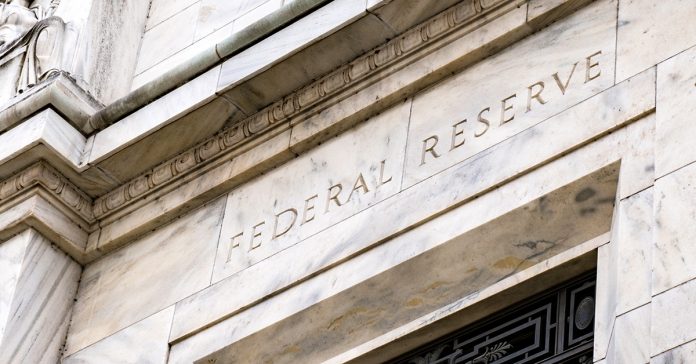
Minutes from the Federal Reserve’s latest policy meeting have reinforced concerns that the battle against inflation may not be over, with a broader group of officials indicating that additional interest-rate increases could become necessary if price pressures remain stubbornly above the central bank’s target.

The discussion highlights the difficult balancing act facing policymakers as they attempt to contain inflation without unnecessarily weakening economic growth or financial markets.

According to the meeting minutes, several Federal Open Market Committee officials expressed a willingness to raise interest rates if incoming economic data showed that inflation was failing to make sufficient progress toward the Federal Reserve’s 2% objective.

While policymakers have emphasized that future decisions will depend on economic conditions, the discussion demonstrates that rate hikes remain firmly on the table rather than being considered a closed chapter.

The possibility of renewed tightening is particularly significant because financial markets have increasingly anticipated an eventual easing of monetary policy.

Investors have been hoping that moderating inflation would allow the Federal Reserve to lower borrowing costs, supporting equities, housing activity, business investment and risk-sensitive assets such as cryptocurrencies.

A shift toward additional rate increases could therefore challenge those expectations and generate renewed volatility across global markets. Persistent inflation remains the central concern.

Although headline price pressures have eased substantially from their earlier peaks, policymakers continue to monitor services inflation, wage growth, housing costs and other components that can remain resistant to higher borrowing costs.

If these measures fail to decline consistently, officials may conclude that restrictive monetary policy needs to remain in place for longer—or become even more restrictive.

Higher interest rates generally make borrowing more expensive for households and companies. Consumers may reduce spending as mortgages, credit cards and other loans become costlier.

While businesses can delay investment and hiring. At the same time, higher rates can strengthen the incentive to save and increase the relative attractiveness of interest-bearing assets. These effects can help cool demand and eventually reduce inflation, but they can also increase recession risks if monetary tightening becomes excessive.

For financial markets, the Fed’s message introduces another layer of uncertainty. Equities that have benefited from expectations of lower rates could face pressure if investors begin repricing the path of monetary policy.

Growth-oriented technology companies can be particularly sensitive because higher discount rates reduce the present value of future earnings. Cryptocurrency markets may also react sharply because digital assets are highly responsive to liquidity conditions and changes in investor risk appetite.

The minutes therefore underscore the importance of upcoming inflation and employment data. Policymakers are unlikely to commit themselves to a predetermined path, instead relying on whether the economy demonstrates convincing evidence that inflation is moving sustainably toward target.

The Federal Reserve’s latest discussion sends a clear message: the fight against inflation remains unfinished. Rate cuts may eventually become possible if price pressures continue to decline, but persistent inflation could force officials to consider higher rates once again.

For investors, businesses and consumers, the implication is that the era of assuming steadily easier monetary policy may be premature. The next phase of the economic cycle will depend heavily on whether inflation finally delivers the sustained progress the Federal Reserve needs to justify a less restrictive policy stance.

Tether’s $6.8 Billion Excess Reserves Strengthen Confidence in Stablecoin Liquidity

0

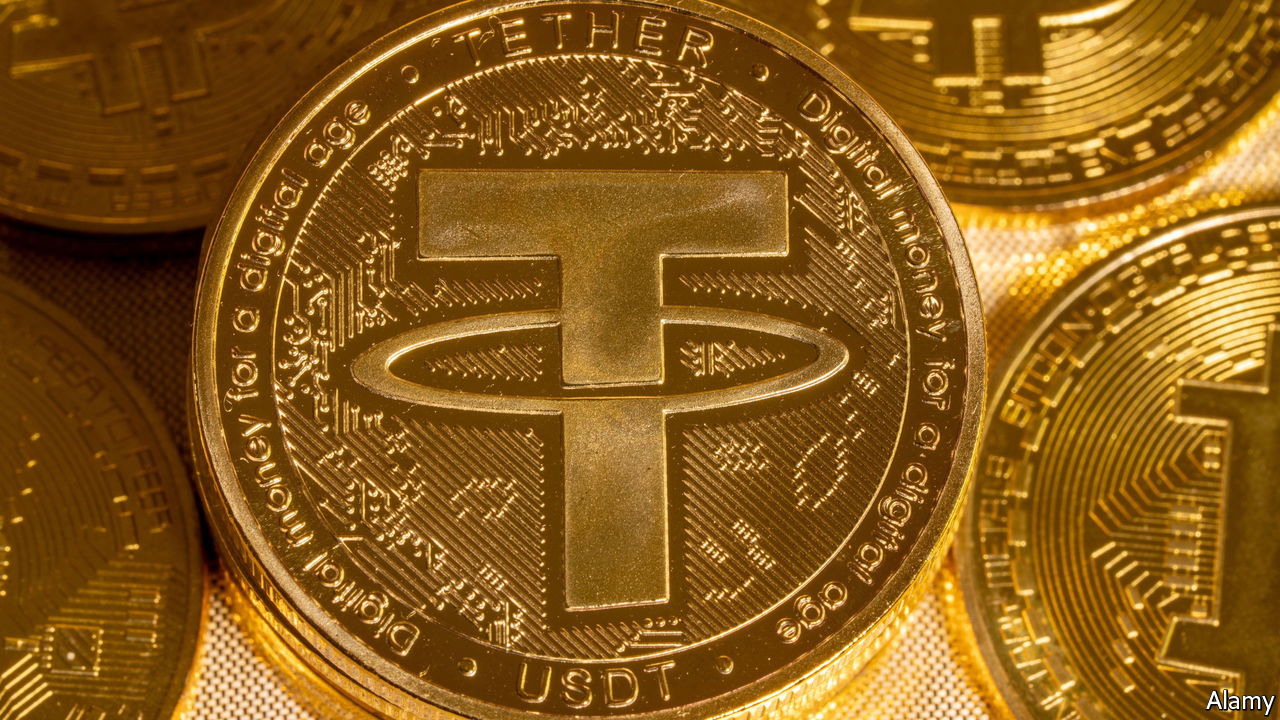
KPMG’s independent audit of Tether’s financial statements has provided another important data point for the rapidly evolving digital asset market, confirming that the stablecoin issuer held approximately US$6.8 billion more in assets than its liabilities.

The finding is significant because Tether’s financial position has long been closely watched by investors, regulators, exchanges, and institutions seeking to understand the resilience of the stablecoin sector.

Tether’s USDT is one of the most widely used digital assets in the cryptocurrency ecosystem, functioning as a dollar-linked instrument for trading, payments, liquidity management, and settlement.

Because of its scale, questions surrounding the quality and sufficiency of Tether’s reserves can have consequences well beyond the company itself.

Any uncertainty about USDT’s backing could potentially affect crypto exchanges, decentralized finance protocols, market makers, and investors across multiple jurisdictions.

The confirmation of substantial excess reserves therefore addresses an important part of the liquidity debate. An excess reserve position means that Tether’s reported assets exceed its liabilities, providing an additional financial cushion.

While reserves do not eliminate every risk associated with a stablecoin, a sizable surplus can strengthen confidence that the issuer has resources available to meet its obligations under changing market conditions.

The independent nature of the audit is also important. Stablecoin issuers operate in an environment where transparency and verification have become increasingly central to institutional adoption.

Investors are no longer evaluating stablecoins solely on their utility; they are also examining reserve composition, financial reporting, redemption mechanisms, and the governance structures supporting each token.

For the wider cryptocurrency market, Tether’s financial position matters because USDT represents a major source of on-chain dollar liquidity. Traders frequently use the stablecoin as a settlement asset and as a means of moving capital between exchanges and blockchain networks.

If confidence in that liquidity deteriorates, market stress could spread rapidly through trading venues and decentralized protocols.

Conversely, evidence of stronger financial reserves can contribute to market stability. It may reduce concerns about whether a sudden wave of redemptions could create destabilizing pressure on the issuer.

It can also support the broader argument that stablecoins are becoming an important component of the emerging digital financial infrastructure rather than merely speculative crypto instruments.

The development comes as regulators worldwide continue to increase scrutiny of stablecoins. Policymakers are focused on ensuring that issuers maintain adequate reserves, provide meaningful disclosures, and have systems capable of handling large-scale redemption demands.

Independent financial verification can consequently become an important component of establishing credibility with regulators and institutional participants. However, the reported $6.8 billion surplus should not be interpreted as eliminating all risks.

Reserve quality, asset liquidity, redemption operations, counterparty exposure, and broader market conditions remain relevant. A strong balance sheet is one element of stablecoin resilience, not a guarantee against every potential stress scenario.

KPMG’s confirmation represents a meaningful development for Tether and the broader digital asset industry. At a time when stablecoins are becoming increasingly integrated into global crypto markets, evidence of substantial excess reserves can help reinforce confidence in the liquidity supporting those markets.

For Tether, maintaining that confidence will increasingly depend on continued transparency, credible financial reporting, and the ability to demonstrate that USDT remains reliably backed as its role in the digital economy expands.