

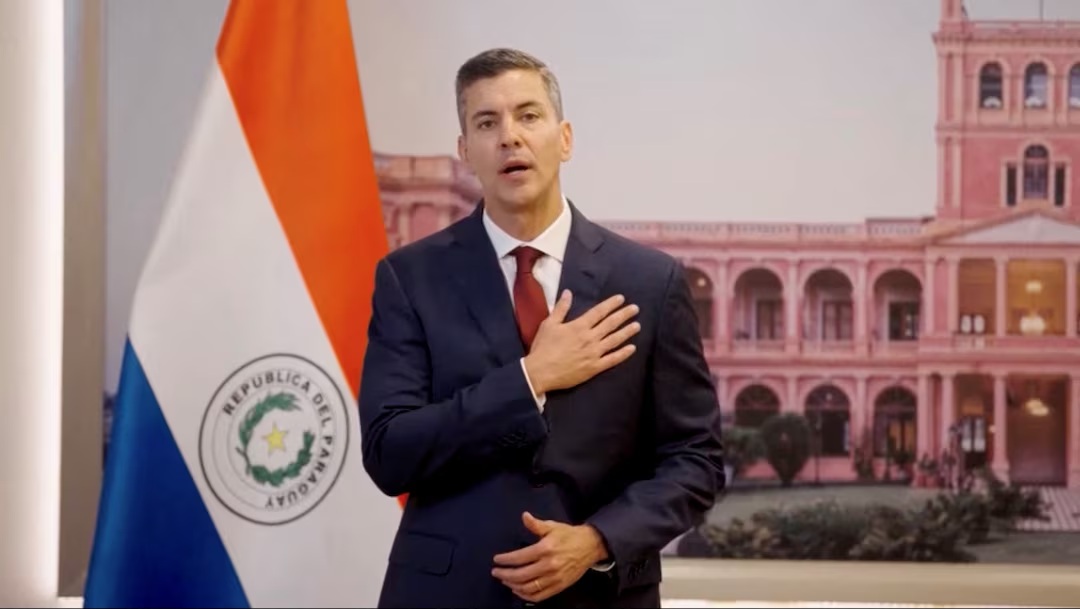
Paraguay’s political crisis has intensified after lawmakers began considering the impeachment of President Santiago Peña, following the central bank’s seizure of Ueno Bank.
The decision has shaken confidence in the country’s financial system, affected millions of customers and pressured the president. Ueno Bank had approximately 2.9 million clients in a country with a population of just 6.1 million.
Its sudden freeze therefore carries consequences. The intervention has disrupted access to funds and raised questions about oversight, financial stability and depositor protection.
Register for the next Tekedia Mini-MBA.
Register for Tekedia AI in Business Masterclass.
Join Tekedia Capital Syndicate and co-invest in great global startups.
Among the most serious consequences is the freezing of approximately $380 million belonging to Paraguay’s state social security institute.
The funds include deposits connected to roughly 32,000 retirees, turning the banking crisis into a direct concern for people who depend on pension payments. Any prolonged restriction on access to the money could intensify public anger and pressure institutions responsible for safeguarding retirement funds.
For ordinary customers, the immediate concern is whether their deposits remain secure and when banking services might resume.

For the government, the challenge is to demonstrate that the central bank acted appropriately, that the financial system remains stable and that pensioners will not bear the cost of institutional failures.
Peña’s position has become especially precarious because opposition to his leadership is no longer confined to political rivals.
Former president Horacio Cartes, the influential leader of the ruling Colorado Party and the politician who mentored Peña, has backed the impeachment trial.

His support is significant because Cartes has considerable influence within the party that helped bring Peña to power. A break with such a powerful ally could weaken the president’s support.
Questions about the president’s previous relationship with the bank are also likely to shape the debate. Peña sold his shares in Ueno Holding in April 2025.
A detail lawmakers may scrutinize as they examine conflicts of interest and the government’s handling of the institution. The sale does not, by itself, establish wrongdoing, but it adds another sensitive dimension to the controversy.
The central bank has faced institutional consequences. Its president, who previously chaired the bank’s predecessor, has resigned, while police have detained eight Ueno executives, including the chief executive officer.
These developments suggest investigators are examining the circumstances surrounding the lender’s seizure, although the detentions should not be treated as proof of guilt.
The impeachment process will test Paraguay’s political institutions. Lawmakers must determine whether there is sufficient evidence of presidential misconduct or responsibility, rather than allowing public outrage alone to decide the outcome.
Authorities must also explain the reasons for the intervention, protect depositors and establish how the frozen social security funds will be handled.
The episode raises concerns about how regulators identify risks at lenders and communicate emergency measures. Confidence will depend on whether authorities publish explanations and provide a route for customers to regain access to money.
The crisis threatens to become a defining test of Peña’s presidency. The fate of Ueno’s customers and thousands of retirees is now intertwined with a struggle for political survival.
Transparent investigations, reliable protection for affected depositors will be essential to restoring trust. Without them, the damage could extend beyond one bank and deepen doubts about Paraguay’s leadership and financial institutions.