

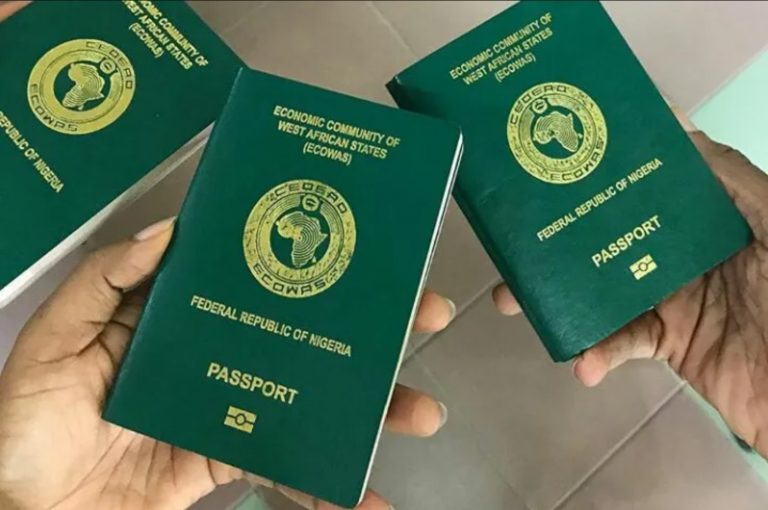
The recent announcement by the Nigerian Immigration Service (NIS) to increase the cost of international passports has generated intense public debate. Starting September 1, the cost of a 32-page passport with five years’ validity moved from N50,000 to N100,000, while a 64-page passport with ten years’ validity increased from N100,000 to N200,000.
For many Nigerians, this policy has significant implications, both positive and negative. While some see the increase as part of necessary reforms to improve passport services, others believe it imposes another heavy burden on citizens already struggling with rising costs of living. Analysis of views on both sides on X (Twitter) provides insights into why this decision has sparked such strong reactions.
Pros of the New Passport Fee
Supporters of the price adjustment argue that the increase will allow the NIS to improve its services. Higher fees can help the government invest in better technology, modernize passport production systems, and reduce the long delays many Nigerians face when applying for or renewing passports. Some Nigerians have acknowledged that the process has already improved in recent years, with reduced bribery and better digital integration. For these citizens, higher fees are acceptable if they guarantee faster turnaround times and more reliable services.
Register for Tekedia Mini-MBA edition 20 (June 8 – Sept 5, 2026).
Register for Tekedia AI in Business Masterclass.
Join Tekedia Capital Syndicate and co-invest in great global startups.
Register for Tekedia AI Lab.
The NIS has explained that the cost of passport materials has increased globally, particularly for security-enhanced booklets. Without adjusting prices, the government would have to subsidize these costs significantly, which many believe is unsustainable given Nigeria’s economic challenges. In this sense, the price hike reflects current realities rather than arbitrary decision-making.
Another argument is that Nigeria is following global best practices. In many countries, passport fees are higher than before as governments invest in improved security and biometric systems. If implemented effectively, the higher charges could bring Nigeria’s passport system closer to international benchmarks, both in terms of technology and service quality.
Some observers believe that a higher cost could reduce fraudulent applications and multiple requests by discouraging non-essential passport seekers. With the Nigerian passport being one of the most sought-after travel documents in West Africa, a moderate increase may help ensure the system serves those with genuine needs first.

Cons of the New Passport Fee
For many Nigerians, the sharp rise in passport costs is difficult to justify when compared to the country’s economic realities. With a national minimum wage of N70,000 per month, a N100,000 passport represents more than a month’s salary for millions of workers. In contrast, the U.S. passport fee is about $165, roughly 15 percent of an average monthly wage. In Nigeria, the new passport cost exceeds 140 percent of the minimum wage, making it unaffordable for many.
Even with higher fees, many Nigerians doubt that service quality will improve. While some improvements have been recorded, passport processing often still takes several months, especially at local offices. Without clear timelines and better transparency, citizens fear that they will be paying more without seeing meaningful change.
Public reactions show a growing trust deficit between Nigerians and their leaders. Many believe the increase is another example of government prioritizing revenue over citizen welfare. Sarcasm dominates some online conversations, with people suggesting the fee be set at ?500,000 or even ?1 million since, in their view, citizens are constantly expected to bear more burdens while service delivery remains poor.

The ongoing debate has reaffirmed that the need for a more citizen-focused approach to policy implementation. Nigerians are not against reforms, but they expect fairness, transparency, and better communication. If higher fees are necessary, government agencies must ensure they are matched with visible service improvements, shorter processing times, and proper explanations for why changes are happening.