

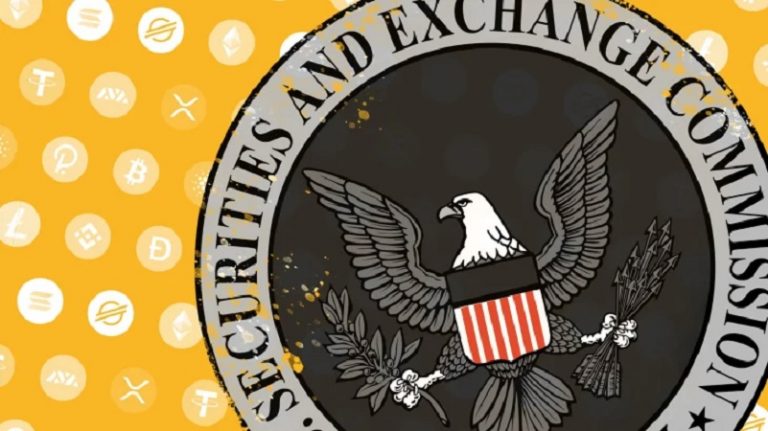
In March 2026, the SEC in coordination with the CFTC released interpretive guidance under Project Crypto that introduces a token taxonomy for digital assets. It clarifies how the federal securities laws—and specifically the Howey investment contract test—apply or don’t apply to crypto.
The framework divides crypto assets into categories, with most falling outside securities regulation: Value comes from functional, decentralized networks rather than promoters’ efforts. Digital collectibles is designed for collection, use, or enjoyment like many NFTs or gaming items.
Digital tools provide practical utility or access like software and tools, event access, memberships. Payment stablecoins, those qualifying under the GENIUS Act or similar characteristics. Only digital securities— essentially traditional securities like stocks or bonds that are tokenized on a blockchain. These remain under SEC oversight regardless of the technology.
Chairman Atkins emphasized that this acknowledges what the prior administration refused to recognize, most crypto assets are not themselves securities. The SEC is no longer the securities and everything commission. The guidance also addresses when a non-security token might temporarily fall under an investment contract and how that can end with sufficient decentralization.
Register for the next Tekedia Mini-MBA.
Register for Tekedia AI in Business Masterclass.
Join Tekedia Capital Syndicate and co-invest in great global startups.
Atkins emphasizes a principles-based approach rooted in the core mission of the SEC: protecting investors, maintaining fair and orderly markets, and facilitating capital formation. He has criticized prior regulation through enforcement practices as opaque and overly aggressive, instead pushing for clear, upfront guidance and rules developed through notice-and-comment processes.
This is interpretive guidance not a formal rule yet, grounded in existing law, and aims to provide long-sought clarity after years of uncertainty. A more detailed ~400-page Regulation Crypto Assets proposal with safe harbors is expected soon. Separately, the SEC is actively weighing and has previewed an innovation exemption; sometimes called a limited or modest exemption for on-chain trading of tokenized securities. This would allow:
Issuers to tokenize traditional securities. Limited trading on blockchain platforms via automated market makers or decentralized liquidity mechanisms. Collaboration with specialist transfer agents to whitelist holders for compliant on-chain activity. It’s framed as an incremental, time-scope-limited sandbox to enable experimentation by both TradFi firms and crypto-native players, while developing longer-term rules.

In his first year, the SEC under Atkins has approved multiple crypto-related ETFs, ended several enforcement actions against crypto firms, and shifted toward greater transparency. Atkins has been a consistent supporter of the crypto industry, including through roles like co-chair of the Token Alliance part of the Chamber of Digital Commerce since 2017. He views crypto as a key area of American innovation and has pushed to bring development back onshore by creating a predictable, innovation-friendly environment rather than driving activity offshore.
Atkins has indicated it could arrive in the coming weeks/months as part of broader efforts to adapt securities rules to on-chain capital markets. This fits Atkins’ “A-C-T” strategy (Advance, Clarify, Transform) for modernizing regulation, reducing friction for innovation, and focusing the SEC on actual securities while coordinating better with the CFTC on commodities.
These moves represent a pro-clarity, innovation-friendly pivot compared to prior enforcement-heavy approaches. They don’t eliminate all oversight—fraud, manipulation, and actual securities still get enforced—but they draw clearer lines, potentially unlocking more on-chain activity, RWAs, and institutional participation.
The full details are in the SEC’s March 2026 interpretive release and Atkins’ speeches. Markets and industry have generally viewed this positively as a step toward regulatory certainty in the U.S.
