

The possibility of a diplomatic breakthrough between the United States and Iran has sent shockwaves through global financial markets, energy trading desks, and geopolitical circles alike.
Reports that Washington and Tehran are close to finalizing a 14-point memorandum of understanding (MOU) to end the ongoing Gulf conflict have dramatically altered investor expectations around oil supply, inflation, and global stability.
Yet alongside the optimism surrounding a potential ceasefire, another development has triggered controversy: approximately $920 million worth of crude oil short positions were reportedly placed just 70 minutes before news of the negotiations became public. The timing has raised immediate questions about insider knowledge, market manipulation, and the increasingly blurred line between geopolitics and financial speculation.
According to multiple reports, the proposed agreement would formally end hostilities and initiate a 30-day negotiation framework addressing some of the most contentious issues in the conflict. These include reopening shipping lanes through the Strait of Hormuz, easing sanctions on Iran, establishing nuclear inspection protocols, and potentially placing limits on uranium enrichment.
Register for the next Tekedia Mini-MBA.
Register for Tekedia AI in Business Masterclass.
Join Tekedia Capital Syndicate and co-invest in great global startups.
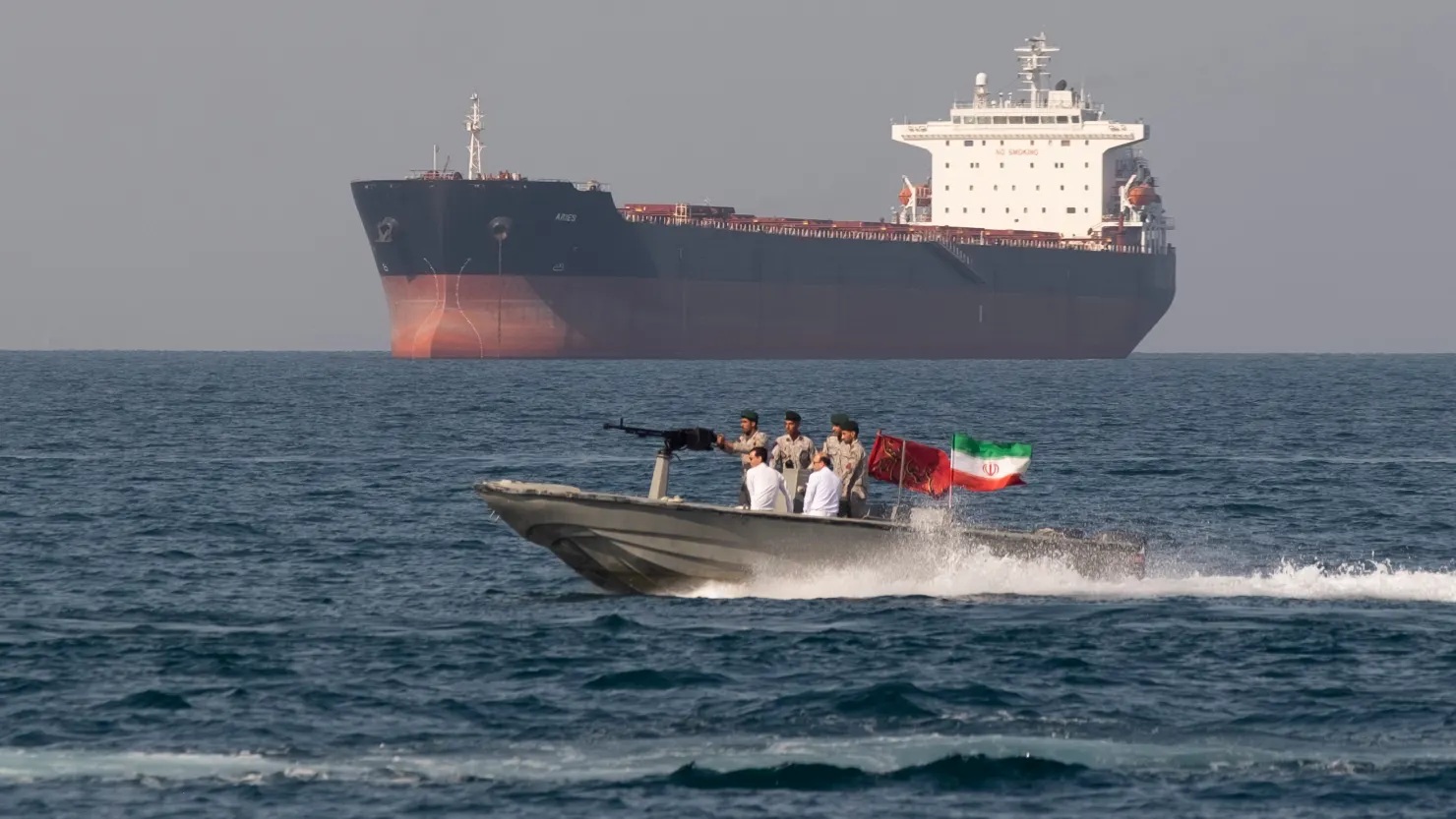
Pakistan has reportedly acted as a mediator in the talks, while both U.S. and Iranian officials continue to negotiate the finer details of the arrangement. The importance of the Strait of Hormuz cannot be overstated. Roughly one-fifth of the world’s oil supply passes through the narrow waterway, making it one of the most strategically significant chokepoints in global commerce.
Since the outbreak of hostilities earlier this year, disruptions in the region have caused oil prices to surge, fueling inflation fears worldwide. Brent crude briefly climbed above $120 per barrel at the height of tensions, reigniting concerns about supply shocks reminiscent of past Middle Eastern crises.
However, the mere prospect of peace negotiations immediately reversed market sentiment. Oil prices plunged sharply as traders rushed to price in the possibility of normalized shipping routes and restored Iranian exports. Financial markets broadly rallied on the expectation that lower energy costs could ease inflationary pressure and reduce recession risks.

This sudden shift in market positioning underscores how sensitive global markets remain to geopolitical developments, especially those involving major energy producers. What transformed the story from a geopolitical development into a financial scandal, however, was the discovery of a massive oil short placed shortly before the news broke.
Analysts from The Kobeissi Letter reported that nearly 10,000 crude oil contracts — representing approximately $920 million in notional value — were shorted roughly 70 minutes before Axios first reported the pending agreement. By the time oil prices collapsed more than 12% later that morning, the trade was reportedly sitting on paper profits estimated at over $125 million.
The timing of the trade has naturally fueled suspicions. Large trades occur in commodity markets every day, but placing such an enormous bearish wager during low-liquidity overnight hours, immediately before a market-moving geopolitical announcement, appears highly unusual. Market participants and online commentators quickly compared the situation to classic insider trading cases, arguing that the trader may have had advance knowledge of the diplomatic breakthrough.
Regulators are now likely to face mounting pressure to investigate whether confidential information leaked from political, diplomatic, or financial circles. At a deeper level, the episode highlights the increasingly interconnected nature of politics, warfare, and financial markets in the modern era.

Geopolitical events no longer unfold separately from financial speculation; instead, they are instantly translated into trades involving commodities, currencies, equities, and cryptocurrencies. In many ways, markets have become real-time betting systems on diplomacy and conflict.
Still, despite the optimism surrounding the proposed MOU, significant uncertainty remains. Iran has reportedly pushed back on several provisions, particularly those involving long-term nuclear enrichment restrictions. Hardliners within both countries may resist compromise, and the agreement itself appears to be more of a framework for future negotiations than a final peace settlement.
Whether the agreement ultimately succeeds or collapses, the market reaction has already demonstrated one undeniable reality: in today’s global economy, information moves faster than diplomacy, and fortunes can be made or lost before the public even learns what happened.