

Iranian President Masoud Pezeshkian has stated that Iran has the necessary will to end the ongoing war with the United States and Israel but only with firm guarantees for Iran’s security and national interests.
This came in a phone call on March 31, 2026, with EU Council President António Costa, where Pezeshkian emphasized that any resolution must prevent future aggression and protect Iranian people. He reiterated Iran’s readiness to reduce tensions if there are tangible guarantees against renewed attacks.
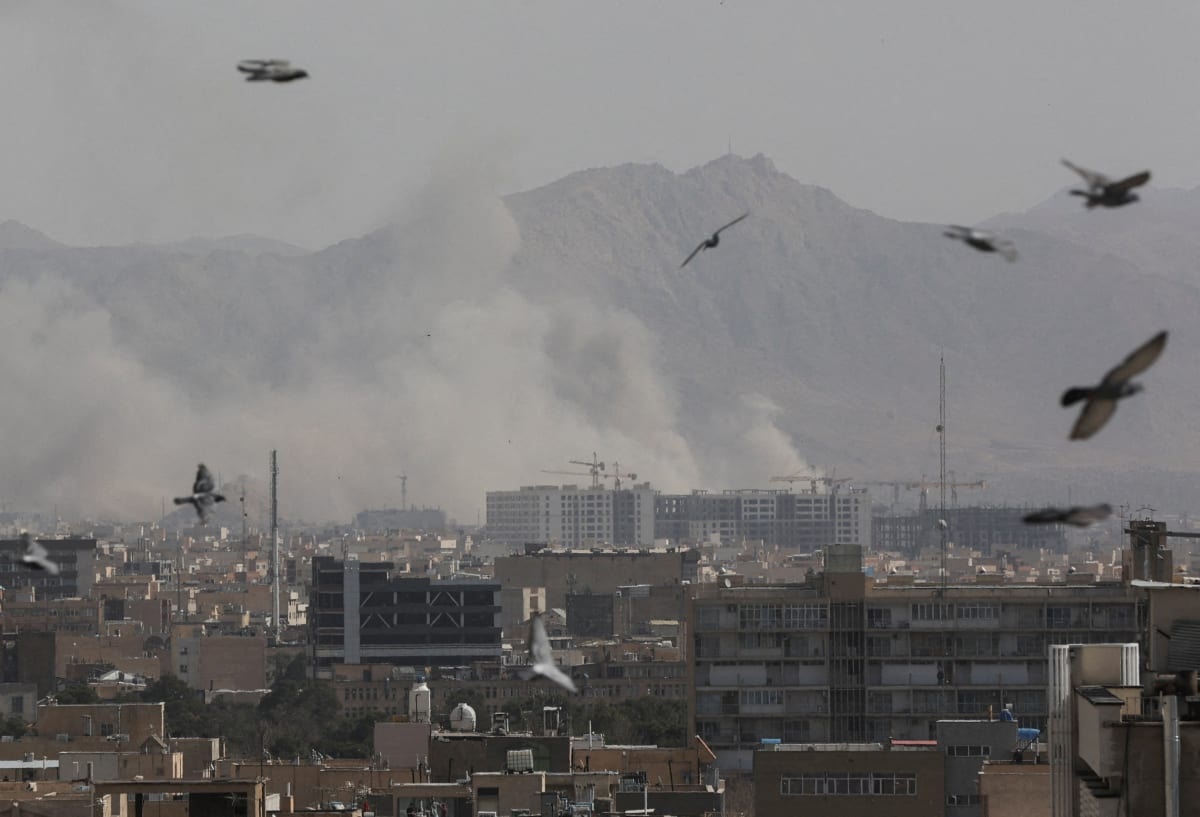
The U.S.-Israeli military campaign against Iran, which began in early March 2026, has entered its second month. It involves airstrikes on Iranian targets including infrastructure and nuclear-related sites, Iranian retaliatory missile and drone attacks, and a disruption of the Strait of Hormuz, which has spiked global oil prices.
Register for Tekedia Mini-MBA edition 20 (June 8 – Sept 5, 2026).
Register for Tekedia AI in Business Masterclass.
Join Tekedia Capital Syndicate and co-invest in great global startups.
Register for Tekedia AI Lab.
President Donald Trump has described the operation as nearing completion of its core strategic objectives, projecting it could wind down in another 2–3 weeks while warning of intensified strikes including on power plants if needed. He has also claimed Iran requested a ceasefire, a claim Iranian officials have repeatedly denied as false and baseless.
Pezeshkian has separately written an open letter to the American people questioning whether the war truly serves America First priorities and asking which U.S. interests it advances. Willing to end the conflict but demands security assurances to avoid repetition. U.S. intelligence assessments suggest Tehran is skeptical of serious U.S. negotiations right now and prefers to keep channels open without major concessions yet.
Trump has signaled the war could end quickly or soon but ties any de-escalation to reopening the Strait of Hormuz and has threatened further escalation if Iran doesn’t meet conditions. He has sent mixed signals on negotiations versus continued military pressure.
Fighting continues, with reports of ongoing strikes, intercepted missiles, and regional ripple effects. This is a fast-moving situation amid high tensions. Pezeshkian’s comments reflect a conditional openness to peace rather than an unconditional offer to end the war immediately. Diplomatic efforts are mentioned in reports, but no breakthrough has occurred.

Regional allies and neighbors have responded to the US-Israel military campaign against Iran with a mix of condemnation of Iranian retaliation, quiet or overt alignment with Washington for security, frustration over lack of prior consultation, and diplomatic efforts to contain spillover. Iran’s strikes on Gulf energy infrastructure, airports, and US-linked sites—plus disruption of the Strait of Hormuz—have directly affected many, shifting some pre-war neutrality toward stronger anti-Iran stances while exposing limits of US protection.
Gulf monarchies (Saudi Arabia, UAE, Qatar, Bahrain, Kuwait, Oman) host significant US military assets and have borne the brunt of Iranian retaliation via missiles and drones targeting civilian areas, airports, hotels, and oil/gas facilities. Air defenses intercepted most threats, but some damage occurred, including casualties and temporary airspace closures.
Pre-war, many warned the US against escalation and sought to keep their territories out of any conflict. Post-strikes, patience has worn thin. Saudi Arabia reportedly granted US access to King Fahd Air Base. The UAE has signaled possible military involvement. Saudi, UAE, and Bahrain have told the US that a simple ceasefire is insufficient—Iran’s missile and drone capabilities and ability to weaponize the Strait of Hormuz must be degraded for long-term stability.
GCC states held emergency meetings, condemned Iranian aggression as violations of sovereignty, and affirmed the right to respond. They have shown unity despite past internal rifts. Complaints include lack of US advance notice for the initial strikes and insufficient defense of Gulf territory (focus seemed heavier on Israel and US forces). Some fear depleted interceptor stocks and question long-term US reliability.

Hawkish states like UAE/Bahrain lean toward defanging Iran. Oman and Qatar prioritize quick de-escalation and future coexistence with Tehran. Kuwait sits in between. Overall, Iranian attacks have narrowed space for neutrality, pushing some closer to the US while prompting hedging. Gulf states are now demanding a seat at any ceasefire talks and emphasize that attacks on their infrastructure cannot go unanswered.
Iraqi militias: Pledged attacks on US bases; some limited actions reported amid Iranian influence. These responses aim to stretch US/Israeli resources but risk further isolation for Tehran as proxies face backlash or degradation. Turkey: Condemned both US-Israeli strikes and Iranian retaliation. Denied US use of its territory/airspace for operations against Iran.
Pakistan: Emerged as a key intermediary, hosting or facilitating talks including with Saudi, Turkey, Egypt diplomats. Good ties with both US and Iran make it a neutral broker; army chief involved in back-channel efforts. Egypt: Participated in Islamabad talks; focuses on preventing wider spread.
Jordan and others: Targeted by some Iranian strikes; condemned them while aligning with anti-escalation calls. Russia and China have issued diplomatic condemnations of US-Israeli actions, called for immediate ceasefires, and positioned as potential mediators—but provided no direct military rescue for Iran. They prioritize avoiding high-cost entanglement.
The conflict has unified GCC states against Iranian tactics while highlighting vulnerabilities in the US security umbrella. Many regional actors especially Gulf now insist on a post-war Iran with reduced offensive capabilities, rather than quick de-escalation alone. Diplomatic tracks via Pakistan, Qatar, Oman, and Turkey continue amid ongoing strikes, but trust is low and maximalist demands from both sides complicate breakthroughs.
This remains fluid; Gulf solidarity could strengthen or fracture depending on escalation, while proxy actions risk new fronts in Lebanon or the Red Sea. Economic fallout pressures all sides toward resolution, but with differing visions for ending the threat.