

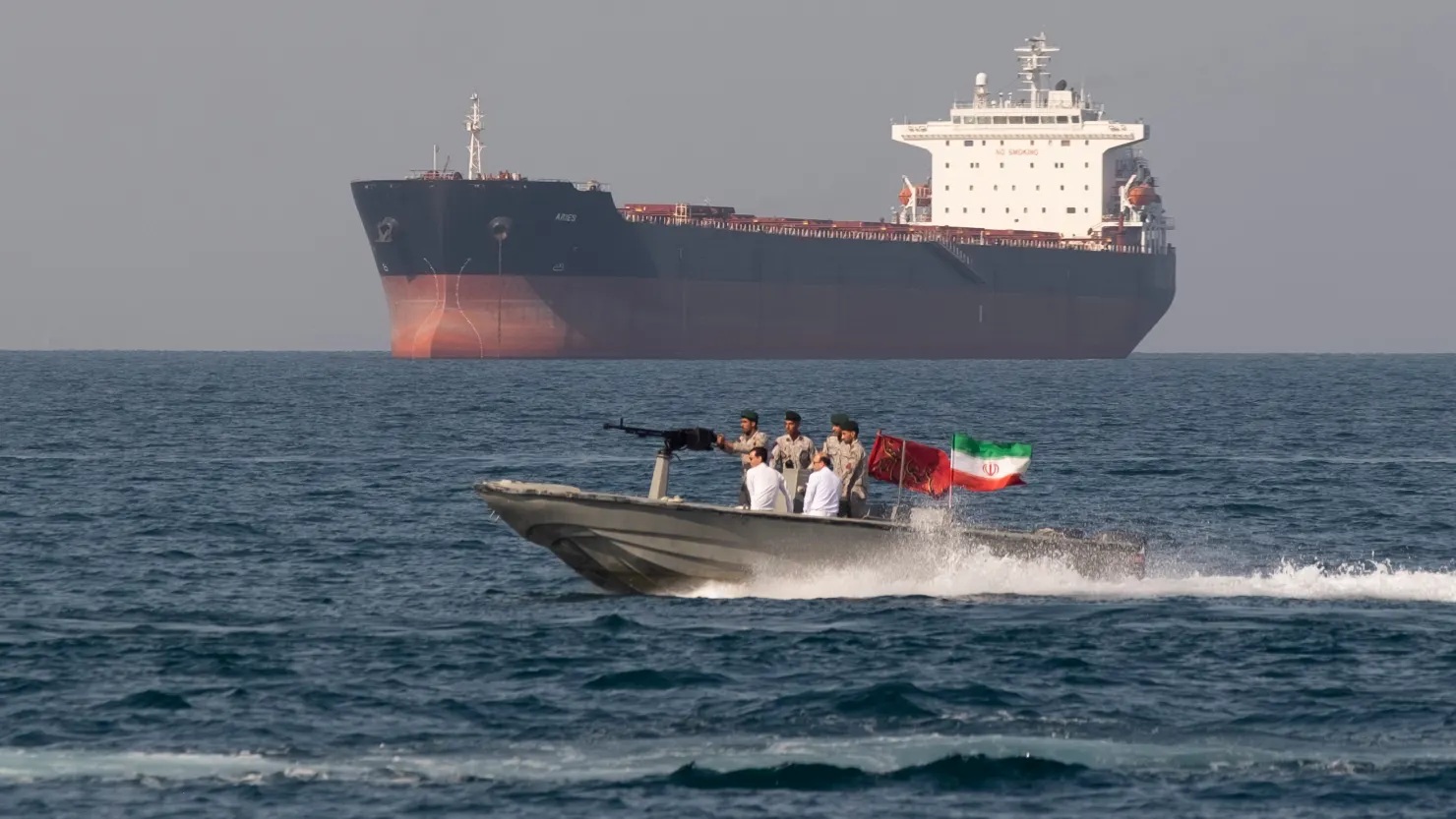
President Donald Trump has rejected Iran’s recent proposal regarding the Strait of Hormuz. This stems from the ongoing 2025–2026 US-Iran tensions and conflict involving Israel.
The Strait of Hormuz—a narrow chokepoint between the Persian Gulf and the Gulf of Oman—is critical for global energy: it historically carries about 20% of the world’s oil and significant liquefied natural gas. Iran has restricted or threatened shipping there including demands for tolls/permissions and possible mining, while the US imposed a naval blockade on Iranian ports and related shipping starting around mid-April 2026.
This has slashed traffic to a fraction of normal levels ~5% of pre-war averages in recent months, redirected dozens of vessels, spiked oil prices; Brent recently hitting multi-year highs near $126, and disrupted supply chains. Iran offered via mediators like Pakistan to reopen the strait, ease its restrictions, and effectively end the active conflict phase in exchange for: The US lifting its naval blockade.
Register for the next Tekedia Mini-MBA.
Register for Tekedia AI in Business Masterclass.
Join Tekedia Capital Syndicate and co-invest in great global startups.
Postponing or setting aside negotiations on Iran’s nuclear program to a later stage. Some reports mention Iran seeking to assert greater control, including potential fees and tolls on transiting ships or requiring. The proposal aimed for a quick de-escalation on the waterway and blockade while kicking the harder nuclear issues down the road.
Trump directly told Axios he is rejecting the offer, stating the blockade will remain in place until Iran addresses its nuclear ambitions with the goal of preventing a nuclear weapon. He has described the blockade as more effective than bombing for applying pressure.
Secretary of State Marco Rubio publicly pushed back, arguing that Iran’s vision of opening the strait still involves Tehran controlling an international waterway—demanding permission or payment—which is unacceptable. He emphasized that the strait should be freely open without Iranian veto power.
Administration sources indicate Trump was dissatisfied or not happy with the proposal because it delays the core US objective: verifiable limits or dismantlement of Iran’s nuclear program. Accepting it could be seen as weakening leverage or failing to secure a clear victory on the nuclear file. The US position prioritizes sequencing: nuclear concerns and broader issues like missiles and proxies should be addressed alongside or before fully normalizing shipping and lifting the blockade.

Talks have been mediated and indirect, with previous rounds stalling over similar disagreements. Continued closure and blockade risks higher and more volatile oil prices, potential shortages especially in Asia, and knock-on effects on global inflation and growth. Mine-clearing in the strait could take months even after any deal.
The US has redirected vessels, conducted some clearance operations, and maintains naval presence. Iran has accused the US/Israel of aggression; the fragile ceasefire is strained. Escalation risks remain if shipping incidents occur or if Iran ramps up asymmetric responses.
This keeps pressure on Tehran but prolongs economic pain for all sides. Future deals would likely need to tackle nuclear limits, sanctions relief, security guarantees, and free navigation explicitly. The situation is fluid, with ongoing indirect channels and potential for revised proposals. Oil prices and shipping data will be key near-term indicators of de-escalation or further hardening.