

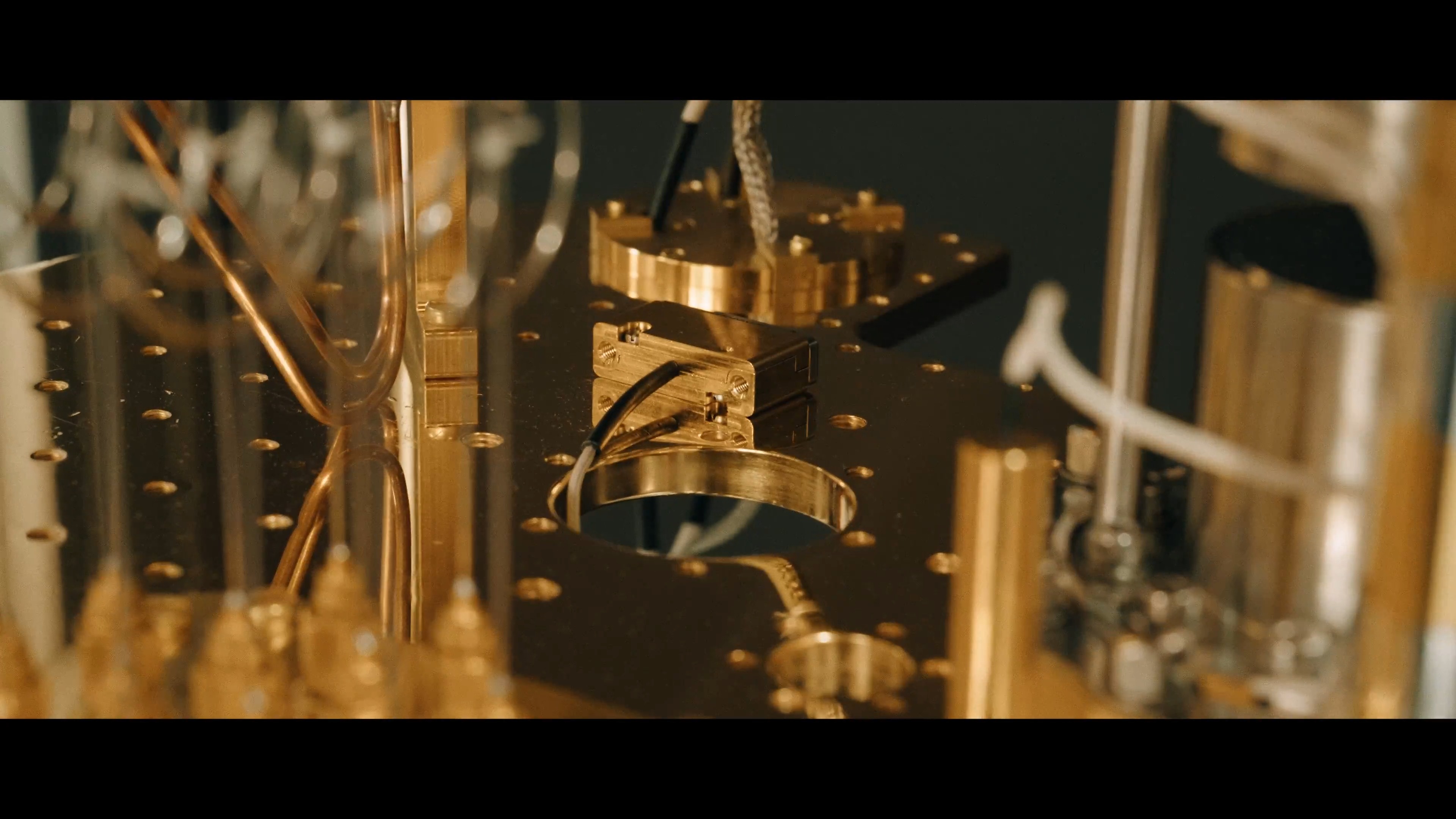
Imagine a quantum computer feeding complex market variables into an artificial intelligence system.
The machine processes correlations across prices, liquidity, volatility, order books, macroeconomic indicators and blockchain activity at a speed far beyond conventional computing.
Then, somewhere inside that extraordinary calculation, a statistical glitch is mistaken for a financial crash. The AI reacts instantly. Thousands of accounts could be frozen.
Register for the next Tekedia Mini-MBA.
Register for Tekedia AI in Business Masterclass.
Join Tekedia Capital Syndicate and co-invest in great global startups.
Automated trading systems could begin selling. Smart contracts could activate emergency mechanisms. Liquidity could disappear from a decentralized market within seconds.
And because the underlying blockchain ledger is designed to preserve confirmed transactions, an erroneous action could become extremely difficult to reverse once it has been executed.
As Dr. Barry Childe warns, the danger is not necessarily that quantum computers or artificial intelligence will independently decide to destroy financial markets. The deeper concern is what happens when increasingly powerful technologies are given authority to make consequential decisions without sufficient human oversight.

Financial markets already depend heavily on algorithms. High-frequency trading systems can respond to information in fractions of a second, while decentralized finance protocols can automatically liquidate positions, adjust collateral requirements or execute transactions according to predefined rules.
AI introduces another layer of complexity because it can identify patterns that humans might never notice. Quantum computing could eventually expand that analytical capacity even further for certain classes of problems.
But speed is not the same as accuracy. A sophisticated system can still misunderstand its inputs. An unusual market movement might represent a temporary liquidity imbalance rather than a systemic collapse. A data-feed error could resemble a genuine price shock.

Correlated assets might suddenly move together because of technical factors rather than fundamental economic deterioration. If an AI model interprets such anomalies incorrectly and its conclusion is connected directly to automated financial infrastructure.
The consequences could spread before anyone has time to investigate. This creates a fundamental problem: the faster the system acts, the smaller the window becomes for human intervention. Blockchain technology makes the question even more complicated.
Immutability is one of its defining characteristics because it creates confidence that confirmed records cannot simply be rewritten. Yet the same feature can become a liability when an automated decision is wrong.
A transaction can be irreversible even when the information that triggered it was flawed. That does not mean immutable blockchains are inherently unsafe. Rather, it means financial infrastructure must distinguish between immutable records and irreversible decision-making.
A blockchain can preserve an accurate record of a bad decision just as effectively as it preserves a good one. The solution will therefore require layers of safeguards. Critical AI systems should operate with independent validation, anomaly detection, transaction limits and circuit breakers.
Human authorization may remain necessary for unusually large transfers or systemic interventions. Multiple data sources should be compared before an automated system treats an apparent market shock as genuine.
And smart contracts should be designed with carefully governed emergency mechanisms where appropriate. The central lesson is straightforward: financial automation needs brakes as much as it needs engines.
Quantum computing may eventually transform how markets model risk, while AI could make financial infrastructure dramatically more adaptive. But combining enormous computational power with autonomous execution also creates a new category of systemic risk.
The greatest danger may not be a machine that intentionally causes a crash. It may be a machine that confidently makes the wrong decision—and makes it faster than humans can stop it.