

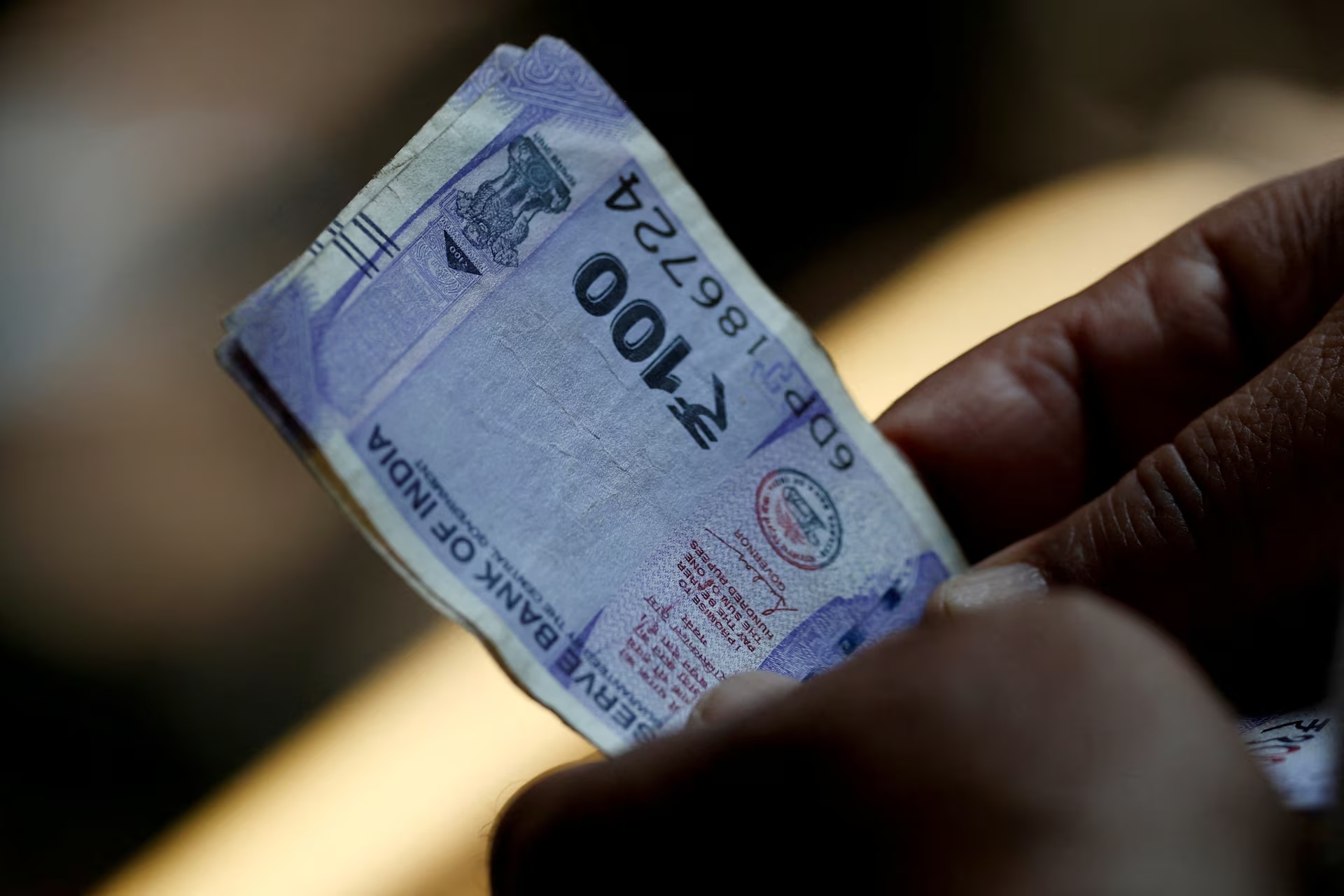
India’s banking sector has proposed a new foreign exchange hedging framework to the Reserve Bank of India that could pave the way for tens of billions of dollars in overseas borrowing, as policymakers intensify efforts to stabilize the rupee and attract fresh dollar inflows into the economy.
According to sources familiar with the discussions cited by Reuters, treasury heads from major Indian banks met with the central bank last week ahead of the RBI’s June 5 monetary policy meeting, where they discussed mechanisms to lower the cost of raising foreign currency debt.
The proposal centers on subsidized forex hedging costs. Under the suggested structure, companies would raise dollar-denominated borrowings through banks, while lenders themselves would gain access to lower-cost currency swaps from the RBI. That would effectively reduce the cost of protecting borrowers against exchange-rate volatility.
Register for the next Tekedia Mini-MBA.
Register for Tekedia AI in Business Masterclass.
Join Tekedia Capital Syndicate and co-invest in great global startups.
“As per the latest discussions, ?the RBI is comfortable at bearing 150 basis points of the hedging cost, which should make ?the dollar borrowing cheaper than local fundraise, but some banks have requested for higher discounts,” one of the sources said.
Bankers believe the move could make overseas borrowing cheaper than raising funds domestically. Some lenders, however, are pushing for even larger concessions to further boost demand. They estimate such a scheme could help attract as much as $50 billion in foreign currency inflows, a potentially significant buffer at a time when India’s external accounts are facing mounting pressure from rising oil prices, capital outflows, and a weakening rupee.
The discussions highlight growing concern within Indian policymaking circles over the country’s balance of payments outlook. Economists have warned that elevated crude prices and sustained foreign investor withdrawals from Indian equities could push India into a sizable external deficit during the current financial year.

The rupee has emerged as one of Asia’s weakest-performing currencies in 2026, sliding as much as 4.7% against the dollar since the outbreak of the Iran conflict, which has driven global energy prices sharply higher. India, one of the world’s largest oil importers, remains highly vulnerable to spikes in crude prices because of their impact on inflation, trade balances, and dollar demand.
The pressure has complicated the RBI’s policy balancing act. While the central bank is attempting to preserve currency stability and maintain investor confidence, it is also trying to avoid excessively tightening domestic liquidity conditions at a time when economic growth remains uneven.
RBI Governor Sanjay Malhotra signaled the urgency of the situation in an interview with Mint newspaper this week, saying India needs to strengthen both its current account and capital account positions.

The latest discussions also revive memories of a similar strategy deployed during India’s 2013 currency crisis, when the RBI introduced concessional swap windows for foreign currency non-resident deposits. That program successfully attracted roughly $26 billion from non-resident Indians and helped stabilize the rupee after the so-called “taper tantrum” triggered capital flight from emerging markets.
Reuters reported earlier this month that the RBI has again been studying ways to mobilize dollar inflows, including another potential NRI deposit initiative. Analysts say policymakers are now attempting to create multiple channels for foreign currency funding rather than relying solely on reserve sales to defend the rupee.
India’s foreign exchange reserves remain relatively strong by historical standards, but persistent intervention to smooth rupee volatility can rapidly deplete reserves during periods of prolonged external stress. Encouraging external commercial borrowings through subsidized hedging may therefore offer a less disruptive alternative.
The proposal also reflects how sharply global monetary conditions have shifted. Rising U.S. Treasury yields and expectations that the Federal Reserve could keep interest rates elevated for longer have strengthened the dollar and intensified funding pressures across emerging markets.
For Indian corporates, overseas borrowing has often been unattractive because of expensive hedging costs, which can erase the interest-rate advantage of dollar loans. A central bank-backed swap mechanism could materially alter that equation, particularly for infrastructure firms, manufacturers, and large conglomerates seeking long-term financing.
Still, the proposal carries risks as subsidizing hedging costs could expose the RBI to currency-market losses if volatility intensifies further. It may also encourage excessive external borrowing if companies underestimate future exchange-rate risks.
There are also unanswered questions over eligibility. Reuters could not determine whether any eventual subsidy scheme would apply broadly across borrowers or be targeted toward specific sectors considered strategically important for economic growth.
India’s trade minister, Piyush Goyal, said last week that the government was closely monitoring rupee weakness and considering multiple measures to counter depreciation pressures.
The broader concern for policymakers is that geopolitical instability, particularly in the Middle East, is colliding with tighter global financial conditions at a vulnerable moment for emerging markets. This means maintaining stable capital inflows has become increasingly important for India, not only for defending the currency but also for preserving macroeconomic confidence and funding long-term growth ambitions.