

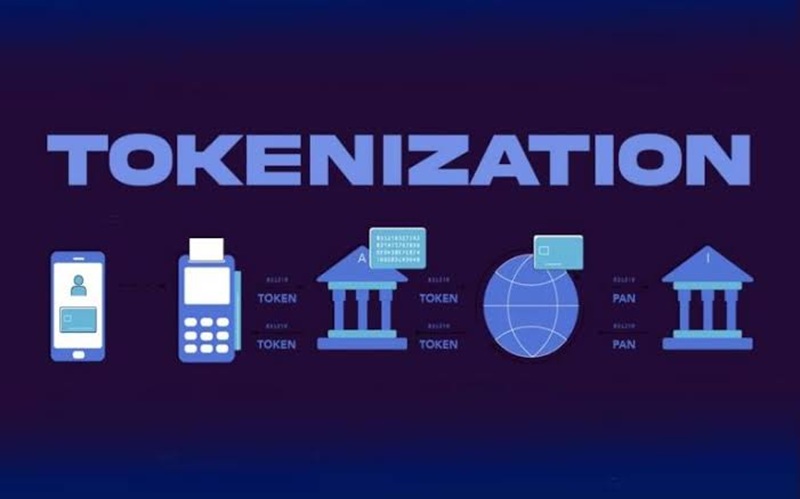
The battle over tokenized equities is entering a more confrontational phase, with AMC Entertainment CEO Adam Aron taking direct aim at Robinhood’s blockchain strategy.
Aron has described Robinhood’s tokenized AMC stock as “contemptible” and “vile,” while signaling that AMC has instructed outside securities lawyers to examine the offering.
The dispute highlights a fundamental question for the emerging market for tokenized securities: who has the right to determine how a company’s equity is represented and traded onchain?
Robinhood’s stock-token program allows investors outside the United States to gain economic exposure to more than 190 stocks and exchange-traded funds through blockchain-based instruments.
Register for the next Tekedia Mini-MBA.
Register for Tekedia AI in Business Masterclass.
Join Tekedia Capital Syndicate and co-invest in great global startups.
However, these tokens are not the same as directly owning the underlying shares. Robinhood’s disclosures describe them as tokenized debt securities issued through Robinhood Assets (Jersey) Limited, meaning holders do not receive conventional shareholder rights.
That distinction is at the center of Aron’s objection. The AMC chief argues that creating a synthetic market around AMC shares without the company’s participation could interfere with the relationship between an issuer and its shareholders.
He has also raised concerns about capital raising, investor rights and whether such products are appropriately structured under securities law. Aron has called on Robinhood to stop trading AMC tokens and suggested that legal action could follow if the platform refuses.

Robinhood appears determined to defend the model. The company argues that its stock tokens expand international access to U.S. equities and modernize financial markets. Robinhood’s chief legal officer has also pushed back against Aron’s challenge, indicating that the company is confident in its interpretation of U.S. securities law.
The confrontation is particularly significant because tokenization is no longer a fringe crypto experiment. Traditional financial institutions, exchanges and blockchain companies are increasingly exploring ways to put equities and other real-world assets onto distributed networks.
The London Stock Exchange Group, for example, has announced plans for tokenized UK shares through a partnership with Payward, the parent company of Kraken. At the same time, Robinhood’s stock delivered a powerful vote of confidence from investors.

Shares jumped 16.6% in Thursday’s session, closing at $124.72, as analysts highlighted the company’s expanding product ecosystem, including crypto, prediction markets, wealth management and subscriptions.
The surge coincides with growing activity around Robinhood’s blockchain infrastructure.
Chain trading volumes approaching $2 billion demonstrate how quickly the platform is becoming a meeting point between traditional finance and crypto-native speculation. The emergence of meme tokens linked to the broader tokenized-stock narrative adds another layer of market excitement.
With MEME reportedly reaching a $100 million market capitalization while traders such as Frankdegods and Rasmr posted outsized gains. Yet the enthusiasm carries a warning. Tokenization promises faster settlement, 24-hour markets and global accessibility.
But those benefits do not automatically resolve questions about ownership, voting rights, corporate consent or regulatory jurisdiction. The AMC-Robinhood confrontation therefore represents more than a dispute between two companies.
It is an early test of how Wall Street’s transition onto blockchain rails will work in practice. If tokenized securities become a major financial market, regulators and issuers will ultimately have to determine whether representing a stock onchain requires the company’s approval—or whether economic exposure alone is sufficient.