

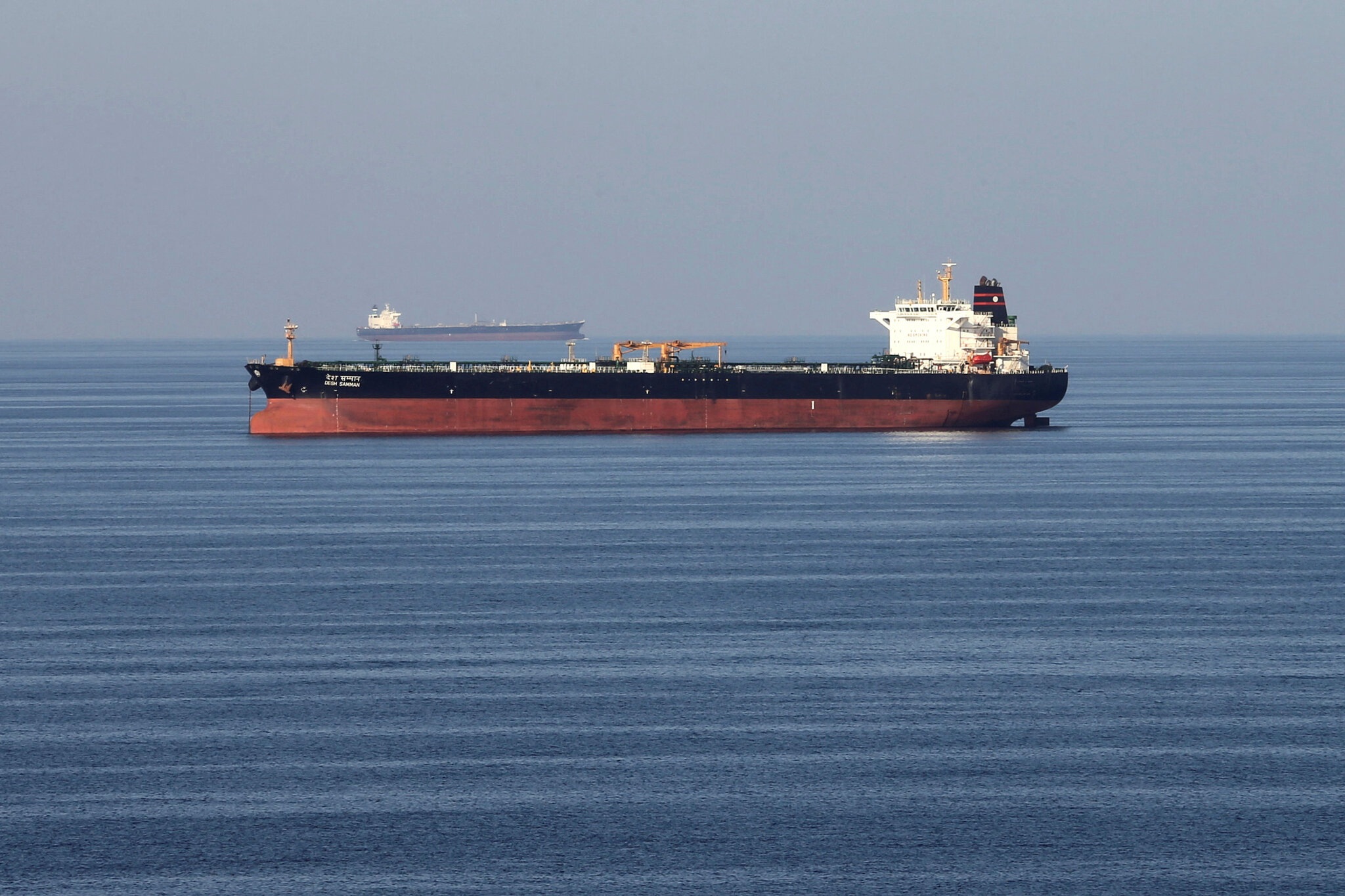
Russia’s oil and gas tax revenue is expected to rise 10% year on year to approximately 1 trillion rubles ($11.97 billion) in October, as higher global oil prices and quarterly tax payments provide a temporary boost to government income despite declining production and a broader annual shortfall.
The projected increase offers some relief for the Kremlin’s finances as Moscow continues to rely on energy exports to fund government spending, including its military campaign in Ukraine. Oil and gas taxes account for about one-fifth of Russia’s total federal budget revenue, making fluctuations in energy prices and production an important determinant of the government’s fiscal position.
According to a Reuters calculation, October’s oil and gas revenue is expected to more than double compared with September, largely because of quarterly payments of the additional profit-based tax on oil production. Excluding that tax, revenue is projected to exceed September’s level by approximately 164 billion roubles, or 36%.
Register for the next Tekedia Mini-MBA.
Register for Tekedia AI in Business Masterclass.
Join Tekedia Capital Syndicate and co-invest in great global startups.
The estimates are based on oil and gas production data, refinery throughput and supplies to domestic and international markets.
The expected rebound comes as the conflict in the Middle East disrupts global energy supplies and pushes oil prices higher. Russia, the world’s third-largest oil producer and exporter after the United States and Saudi Arabia, could benefit from the increase in prices, provided it can maintain sufficient production and sales volumes.
However, the improvement in October is unlikely to erase the weakness in Russia’s energy revenue over the first 10 months of the year. Reuters estimates that cumulative oil and gas revenue from January through October will reach 6.45 trillion rubles, down 14% from the corresponding period in 2025.

The contrast between the monthly recovery and the cumulative decline illustrates the pressure on Russia’s budget: higher prices and the timing of tax payments can lift receipts in individual months, but sustained fiscal improvement depends on the broader performance of the oil and gas sector.
The increase in global oil prices provides a potential revenue boost for Russia at a time when geopolitical tensions are disrupting supplies from the Middle East. When international prices rise, oil producers can receive more revenue for each barrel sold, potentially increasing the taxes collected by the state.
The benefit is not automatic, however. The amount of additional revenue depends on production volumes, export flows, realized prices, and the tax regime. Sanctions, trade restrictions and other operational constraints can also affect the prices Russian producers receive and the volume of oil they can sell.

Russia is expected to face a further headwind from lower production. Reuters estimates that oil production in the third quarter of 2026 declined by approximately 5% compared with the same period a year earlier.
That contraction limits the amount of oil available for sale and taxation, partly offsetting the benefit of higher global prices. It also highlights a key vulnerability in Russia’s energy-dependent fiscal model: favorable international prices cannot fully compensate for declining output if the production shortfall becomes sufficiently large.
The October increase is also influenced by the timing of tax payments. Quarterly payments of the additional profit-based tax on oil production are expected to account for much of the projected jump from September. As a result, the increase should not be interpreted as evidence that Russia’s monthly energy earnings have permanently shifted to a higher level.
The expected 36% rise in revenue excluding the additional tax suggests that other factors are also supporting receipts relative to September. Nevertheless, the quarterly payment remains central to the unusually large month-on-month rebound.
For fiscal analysis, the contrast between a tax-timing effect and a sustained increase in taxable earnings is important. A large monthly payment can strengthen cash receipts temporarily without changing the underlying trajectory of production, export volumes, or annual revenue.
Russia’s 2026 federal budget assumes oil and gas revenue of 8.918 trillion rubles out of total projected revenue of 40.283 trillion rubles.
On those figures, energy taxes are expected to account for roughly 22% of federal income, broadly consistent with their importance to government finances. The dependence means that changes in global oil prices, production volumes and export conditions can have significant consequences for the budget.
Reuters’ estimate of 6.45 trillion robles in cumulative oil and gas revenue through October points to a substantial gap between receipts recorded or expected so far and the full-year target.
The comparison requires caution because the January-to-October figure covers 10 months, while the budget target covers the entire year. Revenue collected in November and December will determine how much of the annual target Russia ultimately achieves. Even so, the 14% year-on-year decline indicates that the revenue base remains weaker than it was during the same period last year.
The October rebound may help narrow the gap, but its significance will depend on whether higher oil prices persist and whether production and export volumes stabilize. If prices retreat or output weakens further, the improvement could prove temporary.
A sustained shortfall in energy revenue would leave the government with difficult choices over spending, borrowing and other sources of income. Because oil and gas taxes help finance a wide range of federal obligations, weaker receipts can constrain fiscal flexibility, particularly when military and other expenditure commitments remain substantial.
Russia’s fiscal position is therefore exposed to both market conditions and domestic production trends. Higher international prices offer support, but the government cannot rely on prices alone to deliver its budget targets.
October’s projected 1 trillion rubles in oil and gas revenue represents a meaningful monthly recovery, driven partly by the timing of tax payments and a stronger oil-price environment. Yet the estimated 14% decline in cumulative revenue through October shows that the broader fiscal challenge remains unresolved.