

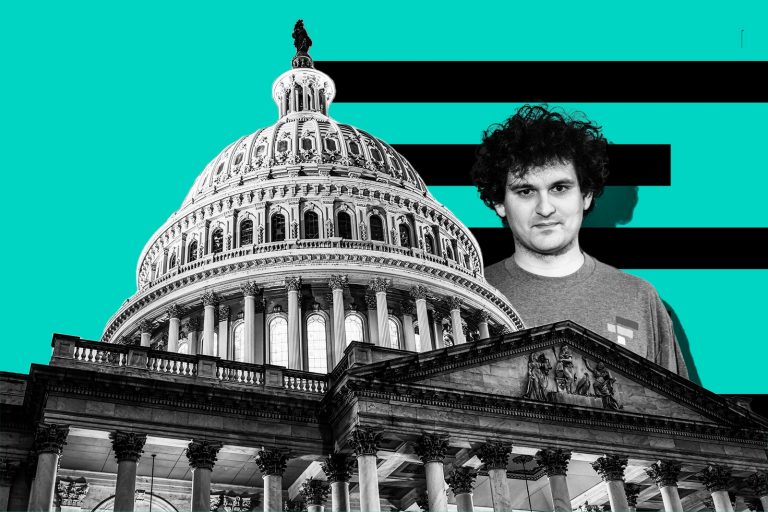
Former FTX CEO Sam Bankman-Fried is asking the U.S. Supreme Court to review his 2023 fraud conviction and the accompanying $11 billion forfeiture order.
Sentenced to 25 years in prison in March 2024, the former crypto executive has continued to challenge the trial’s outcome as he seeks to overturn the judgment and the financial penalties tied to his company’s collapse.
Bankman-Fried’s latest move could open another chapter in the high-profile case that exposed serious weaknesses in his FTX financial operations that sent shockwaves through the digital asset market.
Register for the next Tekedia Mini-MBA.
Register for Tekedia AI in Business Masterclass.
Join Tekedia Capital Syndicate and co-invest in great global startups.
Recall that FTX’s problems became public in November 2022 after a report revealed that Alameda Research’s balance sheet was heavily concentrated in FTT, the cryptocurrency token issued by FTX.
The disclosure raised concerns about the financial relationship between the two companies and the actual value of Alameda’s assets. Because much of Alameda’s reported financial strength depended on a token issued by an affiliated company, questions emerged about whether the firm’s balance sheet accurately reflected its financial position.
The revelations triggered a crisis of confidence among investors and FTX customers, who began questioning whether their deposits were safe.

The situation escalated when Binance CEO Changpeng Zhao announced that his company would liquidate its holdings of FTT, citing concerns about the token and developments surrounding FTX.
The announcement intensified selling pressure on FTT and prompted more customers to withdraw their funds from the exchange.
A Liquidity Crisis and Bankruptcy

As withdrawal requests surged, FTX struggled to meet its customers’ demands, exposing a significant gap between the funds customers believed were available and the assets the company could access.
On November 8, 2022, Binance announced a non-binding agreement to acquire FTX’s non-U.S. business, subject to due diligence. However, Binance withdrew from the proposed acquisition after reviewing FTX’s financial situation and reports of regulatory investigations.
With the potential rescue deal abandoned and customer withdrawals continuing, FTX filed for bankruptcy protection in the United States on November 11, 2022.
Bankman-Fried resigned as chief executive officer on the same day, bringing an abrupt end to the exchange’s operations under his leadership.
The collapse affected millions of customers and creditors and raised serious questions about how the cryptocurrency industry handled customer deposits, corporate governance, and risk management.
Investigations into FTX’s collapse revealed that the crisis extended beyond poor financial management. According to prosecutors, Bankman-Fried had directed billions of dollars in customer deposits from FTX to Alameda Research, where the funds were used to cover trading losses, repay loans, make investments, purchase real estate, and finance other expenditures.
Prosecutors also alleged that Alameda received preferential treatment on FTX’s trading platform, including access to customer funds through a virtually unlimited line of credit and exemptions from certain risk controls.
Fast forward to 2024, Bankman-Fried received a 25-year prison sentence and the large forfeiture order. The U.S. Court of Appeals for the Second Circuit upheld both the conviction and the sentence in June 2026.
His legal team filed a petition for a writ of certiorari within the required 90-day window after the appellate ruling. The Supreme Court originally set an October 15 deadline for the government to respond but later extended it to November 16.
That extension means the justices could decide whether to take the case in late 2026 or early 2027. Acceptance of a petition remains rare; the Court hears only a small fraction of the thousands of cases submitted each term.
The petition centers on two main arguments. First, Bankman-Fried’s lawyers contend that the trial court improperly limited the defense’s ability to present evidence that FTX customers ultimately suffered no net financial loss.
They note that customers have since been repaid through the bankruptcy process, in some cases with interest, and argue that the government’s theory of fraud made actual economic harm irrelevant.
Prosecutors maintained and the Second Circuit agreed that customers were defrauded the moment funds were transferred to Alameda Research, regardless of any later intention or ability to repay.
Second, the defense challenges the $11 billion forfeiture as an unconstitutional excessive fine under the Eighth Amendment. Counsel Jeffrey Fisher has described it as a lifelong debt that would claim essentially any future earnings Bankman-Fried might generate after release, expected around 2043.
Legal observers note that while a full new trial appears unlikely, the size of the forfeiture raises interesting questions that could potentially lead to a reduction even if the conviction stands.
Notably, Bankman-Fried is simultaneously pursuing a separate presidential pardon from President Donald Trump, though that path faces significant political obstacles.
The case continues to draw attention in both legal and cryptocurrency circles as one of the highest-profile white-collar prosecutions tied to the 2022 crypto market collapse.