

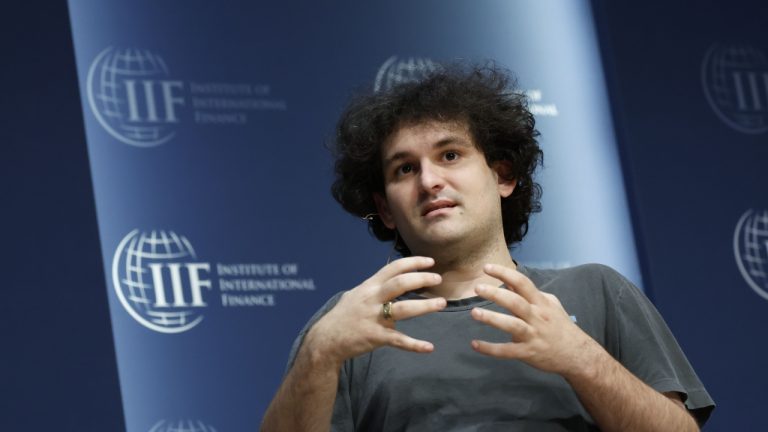
The cryptocurrency industry has never been short on controversy, and few figures have generated as much debate as Sam Bankman-Fried, commonly known as SBF.
After the dramatic collapse of the cryptocurrency exchange FTX in 2022 and his subsequent conviction on fraud-related charges, many assumed that his influence on the digital asset industry had come to an end.
However, reports that SBF allegedly told a fellow prison inmate that he plans to launch a new token once he is released from prison have reignited discussions about his future and the resilience of personal brands in the crypto ecosystem.
The statement, whether serious or casual, highlights a recurring theme in the cryptocurrency sector: the belief that innovation, speculation, and entrepreneurship can continue despite past failures. SBF was once regarded as one of the most influential figures in crypto.
Register for the next Tekedia Mini-MBA.
Register for Tekedia AI in Business Masterclass.
Join Tekedia Capital Syndicate and co-invest in great global startups.
Under his leadership, FTX grew into one of the world’s largest cryptocurrency exchanges, attracting millions of users and securing endorsements from celebrities, athletes, and major investment firms. The company’s collapse erased billions of dollars in customer funds and shook confidence across the digital asset market.
The idea of launching a new token after prison raises significant questions. It demonstrates the enduring appeal of tokenization as a fundraising and community-building mechanism. Unlike traditional businesses that require substantial infrastructure and regulatory approvals, a cryptocurrency token can often be created and distributed relatively quickly.
This accessibility has enabled countless entrepreneurs to enter the market, although it has also contributed to scams, speculative bubbles, and unsustainable projects. Supporters of cryptocurrency may argue that individuals deserve a second chance and that innovation should not be permanently restricted by past mistakes.

Throughout business history, several entrepreneurs have recovered from bankruptcy, legal challenges, or failed ventures to build successful enterprises. From this perspective, SBF’s interest in launching a token could be viewed as an attempt to re-enter an industry he once helped shape.
Critics, see the situation very differently. The collapse of FTX was not merely a failed business experiment; it represented one of the largest financial scandals in modern crypto history.
Many customers lost substantial savings, and trust in centralized crypto platforms suffered a severe blow. For these observers, the notion that SBF could return to the industry and attract support for a new token appears both surprising and troubling.
The broader market reaction would likely depend on several factors, including regulatory developments, investor sentiment, and the specific purpose of any future token. Today’s crypto environment is significantly different from the one that existed during the boom years of 2020 and 2021.

Regulators around the world have increased scrutiny of digital asset projects, demanding greater transparency, consumer protection, and compliance. Any venture associated with a high-profile convicted executive would almost certainly face intense examination from authorities and the public alike.
The crypto industry has repeatedly demonstrated its ability to forgive controversial figures if market participants believe there is an opportunity for profit. History has shown that strong narratives and speculative enthusiasm can sometimes outweigh reputational concerns. Whether that dynamic would apply to SBF remains uncertain.
The reported comment serves as a reminder that cryptocurrency remains an industry defined by reinvention and unpredictability. Whether Sam Bankman-Fried ever launches another token is unknown, but the mere possibility is enough to spark debate about accountability, redemption, and the future direction of digital finance.