

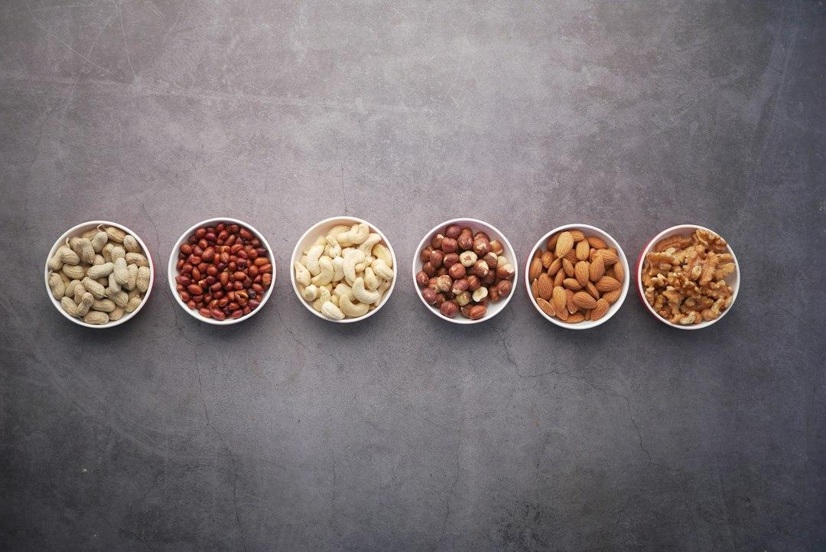
Every producer ends up with stock that is good but not pretty. A cashew processor gets broken kernels. A tomato farmer gets small fruit. The business question is simple: discard it, dump it cheaply, or sell it as a product in its own right.
Canada’s cannabis trade offers a tidy case, because some online sellers there market lower-branch flower as popcorn buds at a lower price. This is information, not an invitation to buy. Canada legalized adult use in 2018, with a minimum age set at 19 in most provinces, 18 in Alberta and 21 in Quebec. Canadian sellers ship within Canada only, so readers in Nigeria, where cannabis is illegal, and elsewhere in Africa cannot order.
What Are Popcorn Buds, In Business Terms?
Popcorn buds are a size grade, not a separate crop. A cannabis plant grows its largest flowers at the top, where light is strongest. Lower branches get less light and form small, rounded buds. Both come from the same plant and the same harvest.
Small buds were once often mixed into bigger lots or sold off in bulk. Some sellers now treat them differently. They name the grade, describe it and give it a price point of its own.
BuyMyWeed, a Canadian online retailer, is one example. Its popcorn buds page describes them as smaller flowers from the lower branches. It presents them as a more affordable option than larger buds. Rules on buying and possession vary by province, and nothing here is health advice.
Why Would a Seller Create a Cheaper Grade On Purpose?
Because one price leaves money on the table. Economists call the fix versioning: selling the same core product in tiers, so each buyer group pays what it is willing to pay.
A single price forces a hard choice. Set it high and budget buyers walk away. Set it low and premium buyers get a bargain they never asked for. A seconds grade lets the seller hold the top price on large flower and still serve the value buyer.
Three conditions make the approach work:
- The difference must be visible. Buyers can see the smaller size, so the lower price feels fair rather than suspicious.
- The product must still be sound. A seconds grade fails if buyers feel cheated after the sale.
- The tiers must not swallow each other. If the cheap grade looks too good, premium buyers trade down.
That third risk has a name: cannibalization. It is the main danger in any tiering plan, from soft drinks to software.
Where Does Nigeria Already Sell Seconds?
Cashew is the clearest Nigerian case. Processors grade kernels after shelling. Whole white kernels earn the top price and carry codes such as W320, which means roughly 320 kernels per pound.
Kernels that break during shelling get their own grades. Splits break along the length, butts break across it, and smaller fragments sell as pieces. Bakers, snack makers and confectioners buy them, because a broken kernel tastes the same in a biscuit.
The room for growth is large. The Nigerian Export Promotion Council’s cashew profile says about 85% of the crop leaves the country in-shell. It adds that local plants can process 25,000 to 35,000 tonnes a year but use only about a third of that. Every raw tonne shipped abroad also ships away the chance to sell the broken grades at home.
Policy points the same way. Tekedia reported on tax breaks for processors in 2022. The news came at an African Cashew Alliance conference themed on kernel and by-product marketing.
How Does a Seconds Grade Cut Waste?
It turns a loss into revenue. Produce that misses the top grade often gets discarded, fed to animals or sold at a distress price.
The FAO runs a food loss platform that tracks this problem worldwide. Its work supports SDG target 12.3, which aims to halve per capita food waste at retail and consumer level by 2030. The same target calls for lower losses along production and supply chains.
Nigerian specialists make a similar case. At a Feed Up Africa seminar in Ibadan, experts urged post-harvest technology so that farm waste could become new products. Processing creates the product. A clear grade gives it a buyer.
How Would You Design a Seconds Line?
Start with the stock you already lose or discount in secret. Then build the tier around it.
| Decision | Canadian popcorn bud example | Nigerian cashew example |
| What defines the grade | Smaller flower from lower branches | Kernels broken during shelling |
| Who buys it | Adults who choose value over looks | Bakers and snack makers |
| How it is named | A plain size label | Splits, butts or pieces |
| How the price sits | Below large flower per gram | Below whole kernels per kilo |
| What protects the premium | Large buds stay the headline product | Whole W320 kernels stay the export grade |
A few working rules follow from the table:
- Name the grade honestly. “Seconds” sells when buyers trust the label.
- Keep a quality floor. Small or broken is fine; stale, moldy or contaminated is not.
- Price the gap on purpose. Too small a discount and nobody switches; too large and premium buyers defect.
- Aim at a different buyer. Industrial and value customers protect your premium shelf.
What Should a Business Learner Take From This?
The lesson is not about cannabis. It is about refusing to let a grading problem become a waste problem.
- A cosmetic flaw is a pricing question before it is a disposal question.
- Tiers work best when buyers can see the difference with their own eyes.
- Cannibalization is the risk to watch after launch.
- Nigerian cashew, tomato and grain producers face this choice every season.
The Canadian example shows that small, honest grades can carry their own demand. Nigerian processors can apply the same thinking to products that are fully legal at home.
Frequently Asked Questions
What Is a Seconds Grade?
It is stock that misses the top cosmetic standard but still meets the quality floor. Sellers name it and price it below the premium line. It earns money from stock that would otherwise be wasted.
Are Popcorn Buds Sold to Buyers Outside Canada?
No. Their delivery network ends at the Canadian border. Cannabis is illegal in Nigeria, so readers there cannot order.
What Does W320 Mean On Cashew Kernels?
It marks whole white kernels at roughly 320 kernels per pound. A lower number means bigger kernels and a higher price. Broken kernels carry separate grades.
Does a Cheaper Grade Hurt the Premium Line?
It can, through cannibalization. The risk falls when the grades look clearly different and serve different buyers. Tracking the sales mix after launch shows whether customers are trading down.