

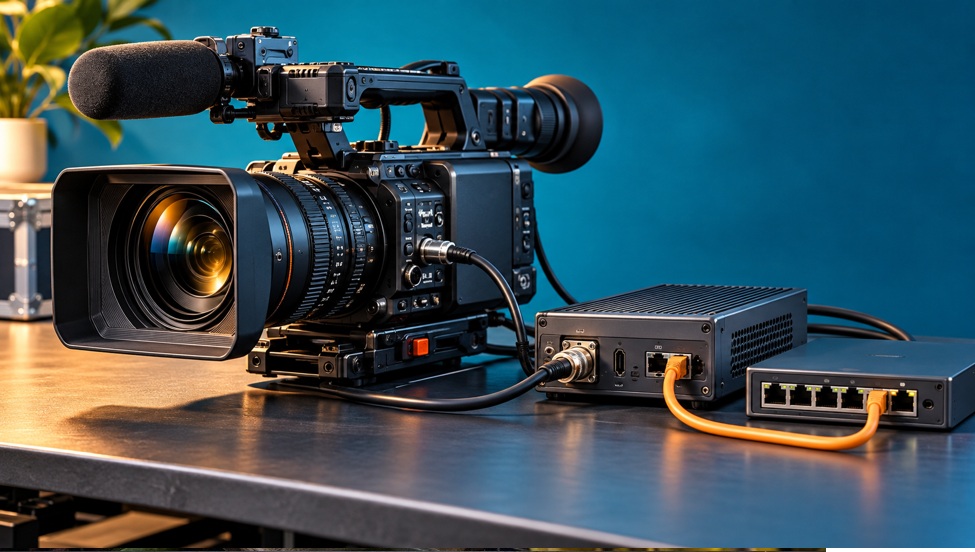
A digital entertainment service presents one name to its audience, but creating content, producing a live feed, delivering video, and developing the interface are different jobs within the service. Suppliers provide established capabilities that a platform can incorporate into its own product. The platform’s development work then concerns the service it chooses to create around them. Using specialists changes which parts the business develops itself and which it obtains from elsewhere.
Wowza’s explanation of video platform sourcing describes the choice between a managed package and infrastructure components that developers configure themselves. Its October 2025 guide says a package can include content management, a video player, and a content delivery network. These functions handle the collection, playback, and distribution of video. A business assembling components separately takes on more work connecting them and defining the workflow.
An online casino platform in Canada makes a related division visible through its provider credits. Digital game suppliers and live production providers appear within the same branded service, alongside separate categories for casino games and live casino. Software-based games and studio-produced feeds involve different kinds of production. The website presents both, while the credits identify the suppliers behind the content. The visible service brings their contributions together without needing to be the creator of every game or studio feed it presents.
Understanding this makes it easier to understand how this works in the bigger picture. A casino needs to offer varied, high-quality services to its clients, and it depends on a multitude of resources to do that, from its own production power to the creations of highly skilled game studios. By mixing these resources, it’s able to offer something of value within the market.
From content to a prepared channel
Specialization starts with the output being supplied. A game developer produces interactive software; a live production provider supplies material from a studio. The service presenting that content also needs the means to make it available to its audience. Content creation and distribution therefore provide different contributions to the same product. In a March 2025 TV Tech interview, LTN executive Rick Young described channel distribution and real-time content versioning, including language customization and graphics. He discussed tools for producing content once and delivering versions to partners and digital audiences. In that account, a supplier’s work extends beyond carrying the original material: it also concerns preparing the outputs needed for distribution.
Versioning adapts the presentation of the source material. Language customization and graphics are parts of that presentation; channel distribution concerns where the prepared output goes. Here, a channel means the stream being distributed, while a platform is the wider service through which the audience accesses content. The two occupy different places in the explanation of how a program reaches its audience. Young’s description also shows that one supplier can cover several functions. LTN’s account includes both preparing versions and distributing channels.
A package can contain another supplier’s work
The division continues inside a software purchase. Wowza notes that an all-in-one platform still runs on underlying video infrastructure, which can come from an infrastructure partner. Several functions can therefore arrive through one supplier, even when other businesses contribute beneath the package. The name on the packaged product does not describe every layer behind it. White-label video packages let buyers present supplied software under their branding. The supplier provides the underlying system; the buyer supplies the identity presented to its audience.
Buying that package includes more of an existing arrangement. Its functions have already been brought together, and the buyer works within the configuration choices the product provides. With separate infrastructure components, the platform’s developers take on more of the assembly. They determine how the chosen tools connect and how the resulting workflow supports the service they are developing.
https://drive.google.com/file/d/1afXhfPuLnZYnoemVUq_kJkPodt9vlBkf/view?usp=sharing
ALT text: Video packages versus separate components
Image Source: Created with AI
Building and buying can consequently coexist within one business. Developing a service around a supplied player is development work, even though the player itself comes from elsewhere. The distinction concerns the scope of each product. The supplier provides playback functionality; the platform combines that functionality with content and the presentation through which the audience encounters it.
The connections are part of the product
Wowza discusses APIs and software development kits as ways to connect infrastructure with custom functionality. An API defines an interface through which software communicates. A development kit supplies tools for working with it. These give developers a means of using the supplier’s functionality within their own software, rather than requiring them to recreate the component.
The connection establishes a boundary between the products. The supplier determines what its component makes available through the interface. The service’s developers work with those capabilities to connect it to the rest of their product. This is the practical work behind integration: supplied functions must have a defined relationship with the software using them.
A provider list identifies contributions, while integration concerns how those contributions work together. Both describe the service at different levels. The audience-facing product depends on the assembled relationship between content, presentation, and delivery. Its recognizable identity can come from that arrangement, even when much of the material or technology originates with specialists.
What the platform develops itself
The scope left with the platform follows from what it obtains. A managed package includes more of the workflow; separate components leave more configuration and integration with its developers. Content choices, descriptions, categories, and presentation concern the wider product, alongside those technical decisions.
Specialist supply makes it possible to develop an entertainment service without developing every capability as a separate product first. The business still has work to do around the supplied parts. How much depends on the arrangement it chooses and the service it intends to build.