

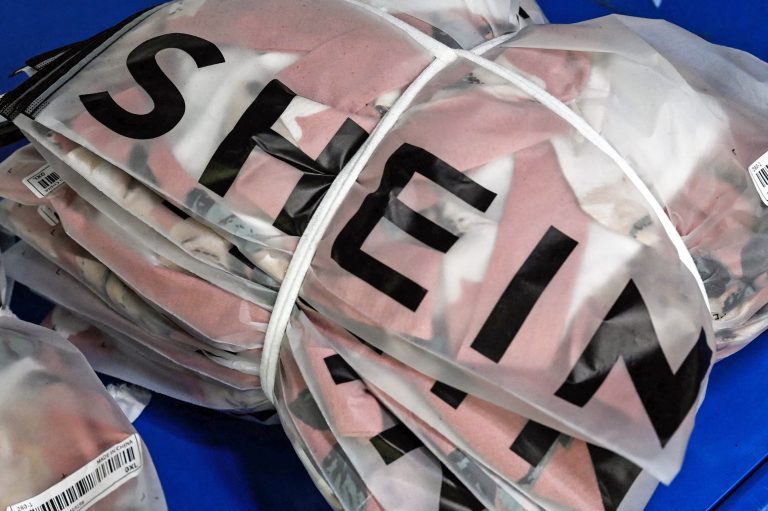
Chinese online fast-fashion giant Shein will open its first permanent stores in France this November under an agreement with department store operator Société des Grands Magasins (SGM), a move that has ignited sharp criticism from French retailers and lawmakers who say the ultra-low-cost brand is destabilizing the sector.
The rollout will see Shein outlets established inside the BHV department store in central Paris and in Galeries Lafayette-branded department stores across Dijon, Grenoble, Reims, Limoges, and Angers. Until now, Shein had relied on short-lived pop-up shops worldwide as marketing tools, keeping its core business strictly online.
SGM president Frédéric Merlin defended the partnership, saying it would bring in younger shoppers.
Register for Tekedia Mini-MBA edition 20 (June 8 – Sept 5, 2026).
Register for Tekedia AI in Business Masterclass.
Join Tekedia Capital Syndicate and co-invest in great global startups.
Register for Tekedia AI Lab.
“A customer might buy a Shein item and a designer handbag on the same day,” he said.
But the plan ran into immediate opposition. Galeries Lafayette, which sold the stores operated by SGM under a franchise agreement, said the move breaches that deal.
“Galeries Lafayette profoundly disagrees with this decision with regards to the positioning and practices of this ultra-fast fashion brand that is in contradiction with its offer and values,” the group said, vowing to stop the openings.

French Retailers Push Back
Domestic players argue that Shein’s entry into permanent retail space risks wiping out what remains of France’s mid-market fashion base.
“In front of the Paris City Hall, they are creating the new Shein megastore, which – after destroying dozens of French brands – aims to flood our market even more massively with disposable products,” said Yann Rivoallan, head of the Fédération Francaise du Pret-a-Porter.
Shein, which sells 12-euro dresses and 20-euro jeans, has already eroded demand for local chains. French retailers such as Jennyfer and NafNaf entered insolvency proceedings earlier this year, squeezed between high operating costs and Shein’s aggressive discounting.

Lawmakers in Paris have backed a draft law regulating fast fashion that could ban Shein from advertising and force companies to account for the environmental impact of short-lifecycle clothing.
A European Divide
Shein’s expansion into France underscores the uneven European response to ultra-fast fashion. In Germany, where online discount retailers such as Zalando already dominate, Shein has faced scrutiny but less aggressive political pushback. German regulators have so far avoided the kind of targeted legislation now debated in Paris, though consumer watchdogs have raised alarms over transparency in pricing and sustainability claims.
In Spain, Shein has tapped into the same cost-conscious demographic that once made Zara a global powerhouse, even as it undercuts Inditex on price. Spanish unions and fashion associations have warned that Shein’s model poses a long-term threat to the country’s textile employment base, which has already shifted heavily to overseas suppliers.
Italy, meanwhile, has been slower to confront Shein. The country’s fragmented retail sector, anchored by small boutiques, is vulnerable to price wars, yet lawmakers in Rome have not advanced regulations comparable to France’s proposed law.
Across the European Union, the pressure is building. Brussels is moving to end the “de minimis” duty exemption for low-value parcels, which has allowed Shein to ship directly from Chinese factories to consumers without import tariffs. That rule change could blunt Shein’s price advantage across the bloc, though it remains uncertain how quickly enforcement will bite.
Shifting Business Model
The French rollout marks a significant departure from Shein’s online-only strategy. Its digital model relied on shipping direct from Chinese factories, minimizing unsold inventory and keeping costs low. Permanent retail locations will require holding local stock, adding overheads that could erode margins.
The shift comes as Shein faces pressure in its largest market, the United States, where the “de minimis” exemption that underpinned its rise is being dismantled. The EU is planning to follow suit, raising the stakes for Shein to establish stronger local roots.
Shein’s first French store, opening in November on the sixth floor of the BHV in Paris, will be followed by launches in Galeries Lafayette-branded locations in regional cities.
Executive Chairman Donald Tang has said the company’s growth lies not just in global capitals but also in smaller towns where fashion choices are limited.
“Customers there have fewer options for fashionable clothes,” he noted.
For Shein, France offers prestige and a gateway to Europe’s fashion heartland. Yet it also exposes the retailer to some of the toughest regulatory and competitive challenges it has faced to date. While German and Spanish markets remain relatively open, France is signaling that Europe may not allow Shein to expand unchecked.
At stake is not only Shein’s ability to transition from digital disruptor to mainstream retailer, but also how Europe navigates the balance between free trade, consumer choice, and protecting domestic industries in an era of hyper-globalized fashion.