

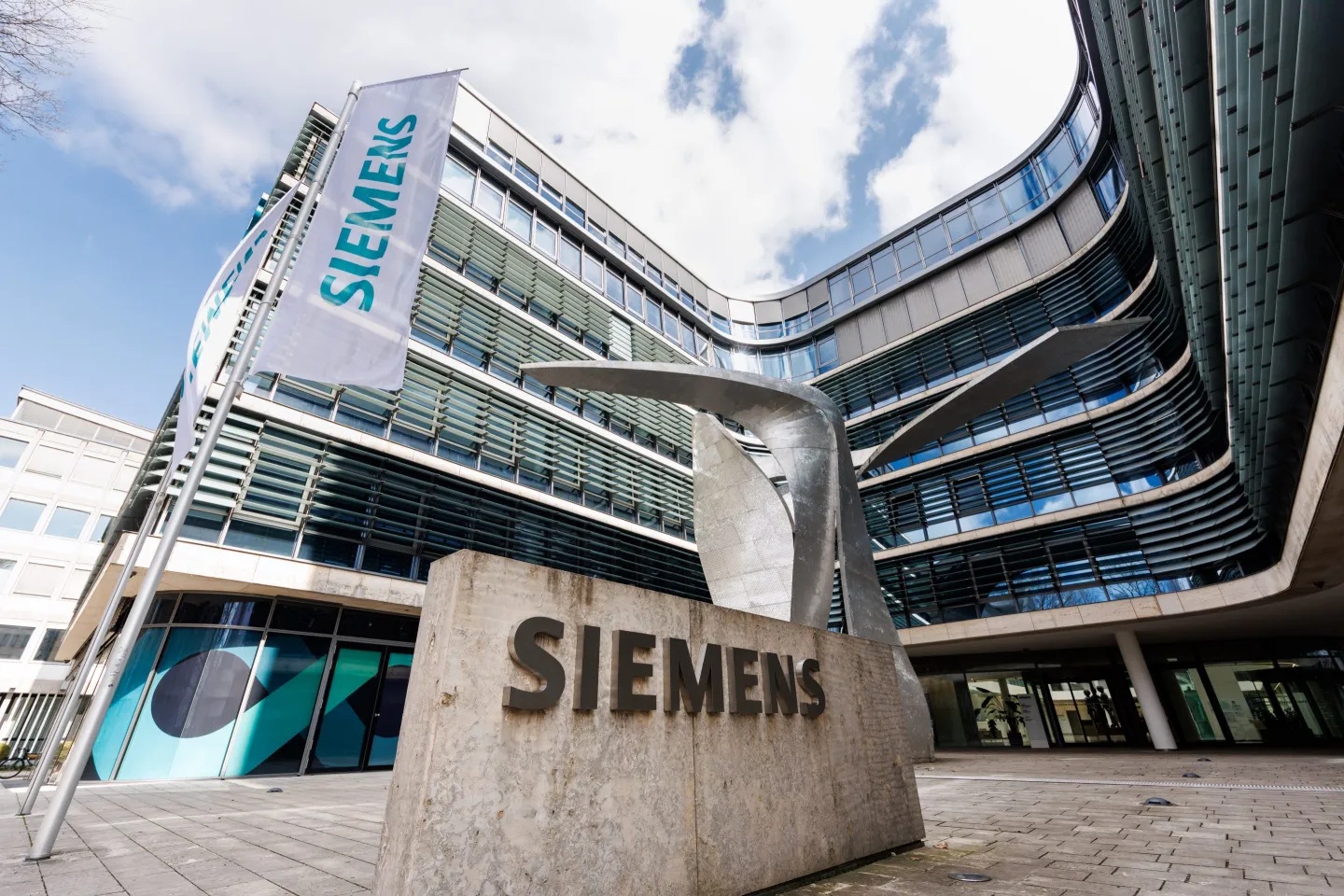
Siemens has agreed to acquire Italian rail technology company Mer Mec in a deal valued at about 1 billion euros ($1.17 billion), according to a person familiar with the matter cited by Reuters.
The acquisition, expected to be announced this week, would significantly expand the software, analytics, and signaling capabilities of Siemens Mobility, the German group’s rail division, at a time when governments and operators globally are accelerating investment in smarter and more automated transportation networks.
The deal comes as Europe’s industrial giants race to strengthen their position in the rapidly evolving market for digital rail infrastructure.
Register for the next Tekedia Mini-MBA.
Register for Tekedia AI in Business Masterclass.
Join Tekedia Capital Syndicate and co-invest in great global startups.
Mer Mec, based in Monopoli near Bari and owned by investment holding company Angel Holding, has built a strong niche in railway signaling systems, predictive analytics, track inspection technologies, and infrastructure monitoring software. Its projects include work on the signaling system for the Channel Tunnel linking Britain and France, a high-profile infrastructure asset where reliability, automation, and real-time operational intelligence are critical.
The deal underlines how the global rail industry is increasingly shifting from a heavy-engineering business toward a technology-driven model centered on software, data, and AI-enabled infrastructure management.
Traditional engineering companies are increasingly trying to generate more recurring, higher-margin revenue from software and digital services rather than relying primarily on cyclical equipment sales. This makes the acquisition fit into a broader transformation in industrial Europe.

That transition has become especially important in rail transportation, where operators are under pressure to improve efficiency, reduce maintenance costs, increase network capacity, and meet stricter emissions targets without always building entirely new rail systems. Modern rail infrastructure increasingly depends on digital signaling, predictive maintenance systems, and real-time analytics platforms capable of monitoring thousands of variables across tracks, trains, and energy systems.
Mer Mec’s expertise sits directly inside that fast-growing segment. Its technologies help railway operators identify track defects, optimize maintenance schedules, and manage network performance using automated inspection systems and advanced data analytics. Those capabilities are becoming strategically valuable as rail operators globally confront aging infrastructure, labor shortages, and rising demand for freight and passenger transport.
The acquisition also shows how industrial companies are positioning themselves for the next phase of AI adoption. Infrastructure operators are increasingly integrating machine learning and automation into transportation systems to predict equipment failures, reduce delays, and improve operational safety.

That has been reshaping the competitive landscape for rail suppliers. Companies that once competed primarily on hardware manufacturing are now competing on software ecosystems, data capabilities, and integrated digital platforms.
Positioning Against European And Chinese Rivals
The deal may also strengthen Siemens Mobility’s position against intensifying global competition, particularly from Chinese rail giants that have expanded aggressively across international markets over the past decade.
China’s rail industry has combined massive state-backed scale with growing advances in signaling and smart transportation systems, creating pressure on European manufacturers to consolidate technological capabilities. It comes as Europe is entering a major infrastructure modernization cycle tied to decarbonization goals and energy-transition policies.
Rail transport is increasingly viewed by European policymakers as central to reducing emissions from road and air travel. That is expected to unlock substantial long-term investment into high-speed rail corridors, urban transit systems, and freight modernization projects across the continent.
Digital infrastructure will likely absorb a growing share of that spending. The acquisition, therefore, positions Siemens to benefit not only from train manufacturing demand but from the broader digitalization of transport networks themselves.
The transaction also fits a wider consolidation trend within industrial technology. Across sectors ranging from manufacturing automation to power systems and transportation, large industrial groups are buying specialized software and analytics firms to strengthen AI-ready infrastructure portfolios.
Siemens has already invested heavily in industrial software through its factory automation and digital industries businesses. Expanding those capabilities into rail mobility further integrates its broader strategy of combining physical infrastructure with intelligent software systems.
While Mer Mec is less globally recognized than larger multinational rail companies, it represents the type of niche high-tech industrial asset increasingly attracting attention from major international buyers seeking advanced engineering and software expertise. If completed, the transaction is expected to add another European technology asset to Siemens’ growing portfolio.