

The digital asset industry continues to evolve through a combination of technological innovation and growing community engagement. Two recent developments have attracted significant attention across the crypto ecosystem.
The activation of Solana’s long-awaited disinflation proposal and the upcoming sale of tickets for ApeFest, one of the most recognized gatherings in the NFT community.
These events demonstrate how blockchain networks are simultaneously advancing their economic models while strengthening the communities that support them.
Solana’s disinflation proposal officially went live, marking an important milestone for one of the world’s leading smart contract blockchains. The proposal is designed to gradually reduce the network’s token inflation rate.
Register for the next Tekedia Mini-MBA.
Register for Tekedia AI in Business Masterclass.
Join Tekedia Capital Syndicate and co-invest in great global startups.
Reinforcing Solana’s long-term tokenomics by limiting the pace at which new SOL tokens enter circulation. Inflation has long been a critical component of blockchain economics, as newly minted tokens reward validators responsible for securing the network while encouraging decentralization.
As blockchain ecosystems mature, many networks seek to reduce inflation over time to enhance scarcity and potentially strengthen the value proposition for long-term holders.
Solana’s latest upgrade reflects this philosophy by creating a more sustainable balance between validator incentives and token supply.
A slower issuance rate could reduce sell pressure from staking rewards while making SOL increasingly attractive to institutional investors and long-term participants seeking predictable monetary policies.

The implementation reflects Solana’s increasingly sophisticated governance process. Rather than relying solely on core developers, major economic changes are debated and approved through community participation, demonstrating the growing maturity of decentralized governance.
The successful rollout further reinforces confidence in Solana’s ability to execute complex protocol upgrades without disrupting network performance, an area where the blockchain has made considerable improvements over the past year.
While infrastructure developments continue behind the scenes, the cultural side of Web3 is also preparing for one of its biggest annual celebrations. Tickets for ApeFest are scheduled to go on sale tomorrow, generating excitement among holders of the Bored Ape Yacht Club ecosystem and NFT enthusiasts worldwide.

ApeFest has become much more than an exclusive gathering for NFT collectors. The event has evolved into a major conference featuring networking opportunities, live entertainment, product announcements, and discussions surrounding the future of digital ownership, blockchain gaming, creator economies, and decentralized culture.
It serves as a meeting point where builders, investors, artists, celebrities, and technology companies converge to celebrate the expanding influence of Web3.
Demand for ApeFest tickets has historically been strong, particularly among members of the Bored Ape Yacht Club community who view the event as one of the flagship experiences associated with NFT ownership.
Beyond entertainment, ApeFest often becomes the stage for significant ecosystem announcements, partnerships, and product launches that shape the direction of Yuga Labs and the broader NFT industry.
The timing of both developments illustrates the dual nature of today’s blockchain landscape. On one hand, networks like Solana continue refining their technical and economic foundations to support long-term adoption.
On the other, community-driven events such as ApeFest highlight the social layer that differentiates Web3 from traditional financial systems. Technology alone cannot sustain an ecosystem; vibrant communities remain equally important in driving adoption, innovation, and user engagement.
As the crypto market continues to mature, both infrastructure upgrades and community events will play increasingly complementary roles. Solana’s disinflation proposal demonstrates how blockchain networks are improving their economic sustainability.
While ApeFest showcases the enduring cultural appeal of NFTs and decentralized communities. These milestones underscore an industry that continues to innovate technologically while fostering global communities united by digital ownership, decentralized participation, and the evolving promise of Web3.
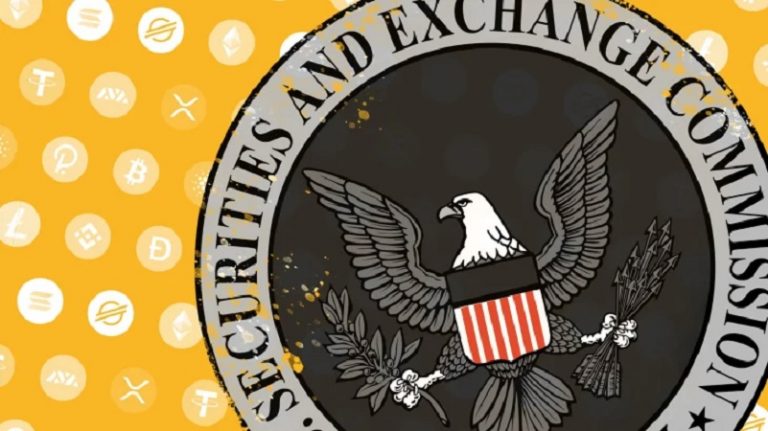
Trump Memecoin Under Fire as US Lawmakers Call for SEC Probe
A fresh political and regulatory controversy has emerged in the United States after a group of Democratic senators called on the U.S. Securities and Exchange Commission to investigate President Donald Trump’s involvement with the TRUMP memecoin.
The request marks another chapter in the ongoing debate over the intersection of digital assets, political influence, and financial regulation. As cryptocurrencies become increasingly tied to public figures and government officials.
Lawmakers are raising concerns about whether existing ethics and securities laws are sufficient to address potential conflicts of interest.
The senators argue that the president’s association with the TRUMP memecoin could create significant ethical and financial concerns. According to their letter to the SEC, Trump’s public promotion and financial ties to the token may have influenced investor behavior.
Potentially benefiting insiders while exposing retail investors to substantial market risks. Memecoins are known for their extreme price volatility, often driven more by social media hype and celebrity endorsements than by underlying utility or economic fundamentals.
The lawmakers are urging the SEC to determine whether the TRUMP token falls under federal securities laws and whether any disclosures, trading activity, or promotional efforts violated existing regulations.
They also want the agency to examine whether individuals connected to the project received unfair financial advantages through privileged information or coordinated market activity. The controversy highlights the growing challenge regulators face in overseeing digital assets linked to influential public figures.
Unlike traditional cryptocurrencies such as Bitcoin or Ethereum, memecoins frequently derive their value from internet culture, branding, and community engagement.
When a political leader becomes associated with such an asset, questions inevitably arise about market manipulation, investor protection, and the appropriate separation between public office and private financial interests.
Supporters of President Trump have dismissed the senators’ request as politically motivated, arguing that the investigation is another attempt to target the president rather than address genuine regulatory concerns.
They contend that investors voluntarily purchase memecoins with full awareness of their speculative nature and that the SEC should apply the law consistently rather than selectively pursuing projects based on political considerations.
The SEC has not publicly indicated whether it intends to launch a formal investigation. Under current leadership, the agency has taken a more measured approach toward cryptocurrency regulation compared to previous years.
Focusing on developing clearer rules for digital assets while maintaining enforcement against fraud and investor deception. Whether the TRUMP memecoin falls within the SEC’s jurisdiction will likely depend on legal analyses of how the token was issued, marketed, and distributed.
The issue reflects the broader evolution of crypto regulation in the United States. As digital assets become increasingly integrated into politics, finance, and mainstream investing, regulators face mounting pressure to balance innovation with consumer protection.
Cases involving high-profile individuals often attract significant public attention because they test the boundaries of existing legal frameworks and shape future regulatory precedents.
The outcome of any potential SEC inquiry could extend far beyond a single memecoin. A formal investigation could influence how celebrity-backed and politically affiliated tokens are treated under federal law, potentially leading to stricter disclosure requirements or new regulatory guidance for projects relying on public endorsements.
The dispute underscores growing convergence of politics and digital finance. As cryptocurrencies continue to gain mainstream visibility, lawmakers and regulators will likely face increasing demands to establish clear standards governing how public officials engage with digital assets while preserving market integrity and protecting investors from undue risk.