

The technology sector continues to demonstrate both extraordinary ambition and difficult realities. Two recent developments highlight this contrast: SpaceX is reportedly targeting a staggering valuation of $1.765 trillion, while Uber has joined a growing list of major technology companies reducing its workforce.
SpaceX, the private aerospace company founded by Elon Musk, has become one of the most influential organizations in the world. Over the past decade, the company has revolutionized space transportation through reusable rockets, expanded global internet connectivity through its Starlink satellite network, and positioned itself as a central player in future space exploration. These achievements have fueled investor enthusiasm and pushed the company’s valuation to unprecedented heights.
However, some analysts are warning that the proposed $1.765 trillion valuation may be overly optimistic. Critics argue that while SpaceX has demonstrated remarkable technological leadership, the valuation implies future growth levels that may be difficult to achieve. According to skeptical observers, a more realistic assessment could place the company’s worth at roughly half the targeted figure.
Register for the next Tekedia Mini-MBA.
Register for Tekedia AI in Business Masterclass.
Join Tekedia Capital Syndicate and co-invest in great global startups.
Their concerns stem from uncertainties surrounding long-term profitability, increasing competition in satellite communications, regulatory challenges, and the substantial costs associated with ambitious projects such as missions to Mars. Despite these concerns, supporters of SpaceX maintain that traditional valuation models may not adequately capture the company’s potential.
They argue that SpaceX is not simply a rocket company but a transformative infrastructure business with opportunities spanning telecommunications, defense, transportation, and space exploration. If Starlink continues expanding globally and future projects achieve commercial success, the company could generate revenues that justify an exceptionally high valuation.
While SpaceX is pursuing one of the largest valuations in corporate history, Uber is navigating a very different challenge.
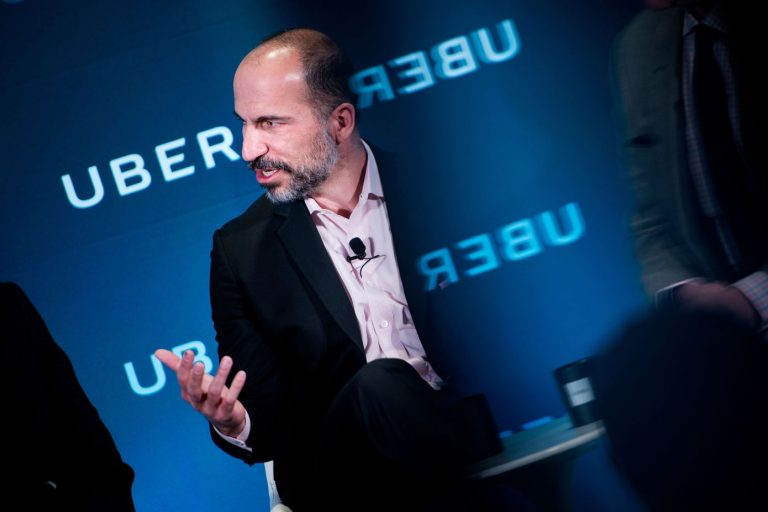
The ride-hailing giant has reportedly joined a growing number of technology companies reducing headcount as firms seek greater efficiency and profitability. Workforce reductions have become a recurring theme across the technology sector as companies adapt to slower economic growth, changing consumer behavior, and increasing investor demands for financial discipline.

For Uber, the decision reflects a broader trend among tech companies that expanded aggressively during years of low interest rates and abundant capital. As economic conditions have shifted, many firms are focusing on cost control and operational efficiency rather than rapid expansion at any cost. Layoffs are often presented as necessary measures to streamline operations, improve margins, and strengthen long-term competitiveness.
The contrast between SpaceX and Uber illustrates the two dominant narratives shaping technology markets today. On one hand, investors continue to reward companies with groundbreaking visions capable of reshaping entire industries. On the other hand, even successful firms face pressure to demonstrate sustainable profitability and responsible spending.
The era of unlimited growth fueled by easy capital has largely given way to a period of greater scrutiny and financial discipline. Both developments underscore the evolving nature of the technology industry. SpaceX represents the power of bold innovation and the willingness of investors to bet on transformative futures.

Uber’s workforce reductions highlight the practical realities of operating in a more demanding economic environment. Together, these stories reveal a sector balancing extraordinary ambition with the need for sustainable execution, a dynamic that will likely define the next chapter of global technological progress.