

Syria will begin swapping old banknotes for newly issued ones from January 1, 2026, in a major currency overhaul aimed at stabilizing the Syrian pound and signaling a clean break from the Assad era, Central Bank Governor Abdelkader Husrieh said on Thursday.
The move is part of a broader effort by Syria’s new government, led by President Ahmed al-Sharaa, to overhaul state institutions and chart a new economic course after more than a decade of war, sanctions, and international isolation left the country’s finances in deep distress.
“The central bank has been given authority to decide the deadline for the swap and its locations,” Husrieh said, adding that the bank would issue detailed instructions to guide the public through the process.
Register for Tekedia Mini-MBA edition 20 (June 8 – Sept 5, 2026).
Register for Tekedia AI in Business Masterclass.
Join Tekedia Capital Syndicate and co-invest in great global startups.
Register for Tekedia AI Lab.
People familiar with the plan told Reuters in August that Syria intends to introduce redesigned banknotes that remove two zeros from the currency, a redenomination aimed at restoring confidence in a pound that has been severely devalued. The currency has been weakened by years of conflict, the collapse of domestic production, shrinking foreign reserves, and tight sanctions imposed during Bashar al-Assad’s rule.
The redesign would also carry strong symbolic weight. Assad fled Syria in December 2024 for Russia after rebel forces seized Damascus in an eight-day offensive, ending six decades of his family’s rule. His downfall came more than 13 years after an uprising spiraled into a devastating civil war that fractured the country and crippled its economy.
Since then, Syria’s new leadership has sought to distance itself from the political and economic legacy of the Assad era. Officials have spoken openly about reshaping governance, restoring credibility to public institutions, and pursuing policies meant to stabilize prices and revive trade.

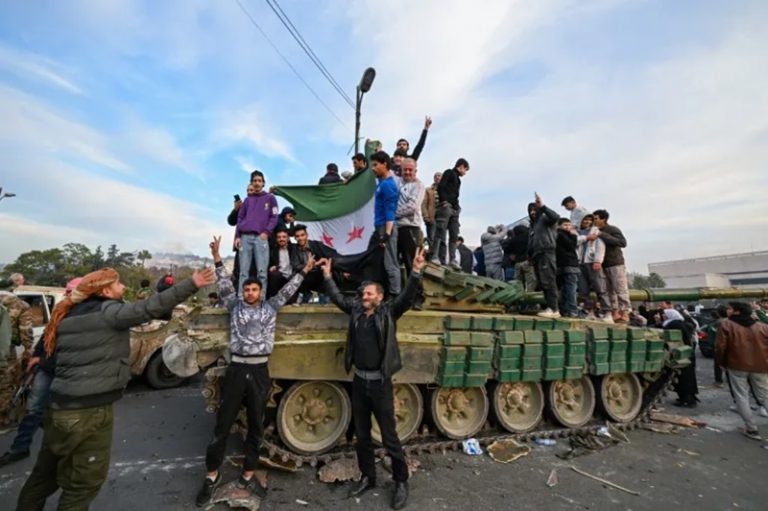
Earlier this month, Syrians marked the first anniversary of Assad’s overthrow with celebrations in major cities, reflecting cautious optimism that the country may finally be turning a page after years of hardship.
The currency swap is unfolding alongside diplomatic efforts to reposition Syria internationally. The new government has moved to rekindle ties with the United States after years of hostility, viewing improved relations with Washington as critical to easing sanctions, attracting investment, and reconnecting Syria to the global financial system. While sanctions relief remains limited and conditional, officials see institutional reforms, including changes to the monetary system, as necessary steps toward rebuilding trust abroad.
The central bank governor said concerns raised by some bankers and economists about the potential inflationary impact of issuing new notes were being taken seriously. Critics have warned that redenomination, if poorly executed, could worsen inflation and further erode purchasing power for Syrians already struggling with high prices and low wages.

Husrieh said the operation would be carried out in a “smooth and orderly” manner, stressing that it is designed as a technical exchange rather than a devaluation. He said a press conference will be held on December 27 to “explain all the details of the replacement process and deadlines,” in an effort to avoid confusion or panic.
Syria’s pound has lost most of its value over the past decade, forcing daily transactions to be conducted with large volumes of low-denomination notes and undermining confidence in the currency. Removing zeros would simplify accounting and cash transactions, but economists say the long-term impact will depend on whether the government can address deeper structural problems, such as weak output, scarce foreign currency, and limited access to international markets.
Replacing Assad-era banknotes is both an economic measure and a political statement for the new government in power. It underscores an attempt to redefine Syria’s leadership and economic trajectory while aligning domestic reforms with a cautious reopening to the outside world, including the United States.