

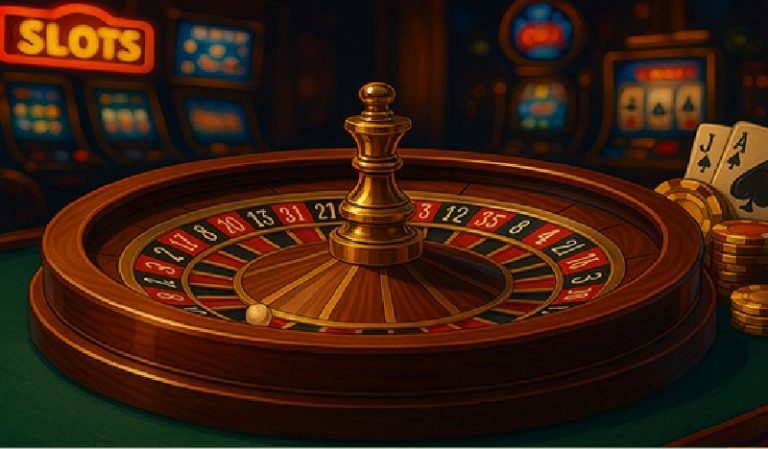
The digital economy reshapes how people shop, communicate, and even relax after work. What once required physical presence whether at a market or in a casino hall now takes place online, with the same patterns of choice, risk, and reward playing out in new forms. Entertainment has become an important indicator of how digital systems evolve, because it quickly adapts to people’s expectations. When we look closely at play, we often see the same structures and habits that drive broader online markets.
Play and the Digital Economy
Online play is not just about passing time; it mirrors the structures of digital marketplaces. In both settings, variety matters. Consumers scroll through product catalogs the same way casino players scroll through game libraries. Algorithms shape what people see first, whether it’s an item on sale or a recommended slot. Payment systems are equally telling: instant transactions, e-wallets, and crypto options show how money flows in real time. Competition also drives both spheres, pushing companies to refine user experience and introduce bonuses or loyalty programs. Just as e-commerce relies on repeat customers, casinos create reward systems that keep players engaged without needing physical presence. In essence, online entertainment reveals how digital economies function: choice, speed, and constant adaptation to user habits remain the core. Through this lens, play becomes an active reflection of economic life on the internet.
Online Casinos as Digital Marketplaces
Casinos on the internet often look less like single venues and more like busy marketplaces. One site can hold thousands of different titles, and every game seems built for a slightly different taste. The effect is similar to browsing through an online store where the shelves never end. People pick between slots, table games, or live rooms the same way they weigh up shoes or electronics before buying. The operators behind these sites compete hard, so updates arrive quickly, faster payments, new game styles, sharper graphics. Offers and loyalty deals work in the same way that sales or coupons do in e-commerce. At SpinMills Casino, that mix is clear: a vast catalog paired with promotions aimed at different players. It shows how online play copies the wider digital economy, always shifting, adding options, and trying to hold attention.
Risk, Reward, and Decision-Making
Balancing risk and reward is not limited to games or finance; it is the thread that ties both together. In a casino, each bet carries a measure of uncertainty, but players still make choices based on what they know whether that’s a preferred game, a betting pattern, or the size of the stake. Entrepreneurs and investors face a similar pattern. They scan markets, compare options, and then commit resources while knowing that outcomes can change in an instant. The decisions are rarely random; instinct and experience play just as strong a role as numbers on a screen. What matters most is judgment knowing when to push forward and when to hold back. Casinos and business share this same rhythm: both environments reward clear thinking, patience, and the acceptance that no strategy removes uncertainty, only manages it in smarter ways.
Technology and User Engagement
Online casinos have become testing grounds for new technology. Long before many banks embraced instant e-wallets or crypto payments, casinos were already offering them as standard. The same applies to mobile play games that were optimized for smaller screens early on, because players wanted quick access without needing a computer. Artificial intelligence also plays a part, shaping recommendations and tailoring promotions in ways that echo the personalization strategies of major digital retailers. This fast adoption shows how competitive pressure drives innovation: whoever adapts first gains an edge. It mirrors the wider digital economy, where companies must respond quickly to shifting habits. What we see in casino services is not separate from business at large but a condensed version of it. Technology and engagement are intertwined, with every update designed to keep pace with an audience that expects speed, variety, and efficiency.
Play as Part of the Modern Economy
Leisure is no longer something that stands apart from economic life. The same tools that shape digital trade instant payments, personalized offers, constant innovation also define modern play. Online casinos make this clear, operating as living examples of how business models and entertainment overlap. A spin of the reels reflects more than a single choice; it shows how technology, risk, and consumer demand meet in real time. In that sense, play is part of a larger system where digital habits influence every sector. Casinos adapt quickly because they must, and in doing so they mirror the pace of broader markets. What emerges is a picture of leisure woven into the fabric of the economy. People seek both enjoyment and efficiency, and casinos demonstrate how those two needs are increasingly met within the same digital spaces.
This is a fascinating breakdown of how online casinos reflect the structures of digital economies, constant choice, instant transactions, and technology shaping engagement. What’s striking is that the same dynamics are reshaping education as well.
Like casinos, classrooms are adopting real-time analytics, gamified engagement, and AI-powered personalization. The upside is clear: students get more interactive, hands-on experiences that mimic real-world decision-making. The challenge, however, lies in managing the risks, distraction, over-reliance on technology, or even academic dishonesty if tools are misused.
Platforms like startupwars.com show how this balance can work. By simulating entrepreneurial environments, they give students the “risk–reward” experience of running a business in a safe, educational context. Much like digital marketplaces, these simulations thrive on engagement and adaptability, but with the goal of building critical thinking rather than maximizing play.