

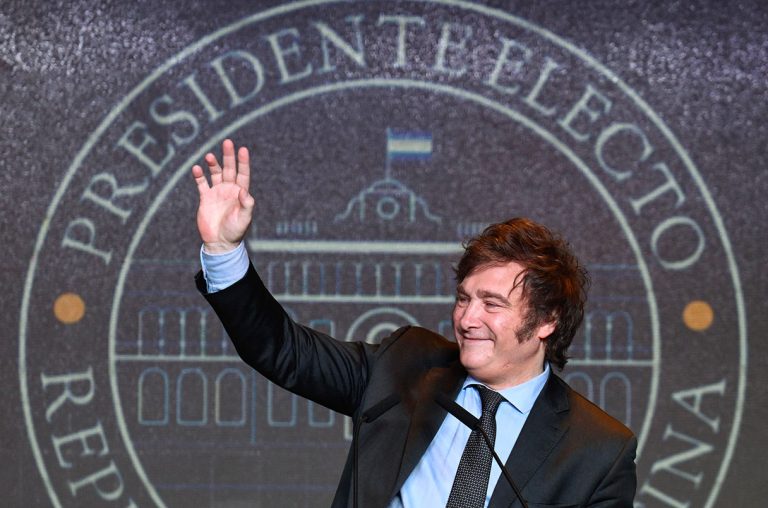
Argentina’s Anti-Corruption Office cleared President Javier Milei of wrongdoing in the LIBRA cryptocurrency scandal, ruling that his February 2025 social media post promoting the token was made in a personal capacity, not as an official act. The decision, reported on June 5, 2025, found no violation of public ethics laws, as no federal resources were used. Milei’s post had caused LIBRA’s value to spike to a $4.6 billion market cap before crashing 94%, leading to $250 million in investor losses and allegations of a “rug pull” scam.
Despite the clearance, a federal criminal investigation and class-action lawsuits in Argentina, the U.S., and the U.K. remain ongoing. Critics, including opposition lawmakers, argue the investigation was inadequate, and some allege Milei’s sister had ties to the token’s creator, Hayden Davis. The Anti-Corruption Office’s clearance of President Javier Milei in the LIBRA token controversy has significant implications for Argentina’s political, economic, and social landscape, deepening existing divides.
The ruling bolsters Milei’s political standing, allowing him to deflect accusations of corruption and maintain his libertarian, anti-establishment image. His supporters view this as validation of his outsider status, free from traditional political scandals. Opposition lawmakers, particularly from center-left and Peronist factions, criticize the decision as a whitewash, alleging bias in the Anti-Corruption Office. This fuels their narrative that Milei’s administration skirts accountability, potentially galvanizing their base ahead of future elections.
Register for Tekedia Mini-MBA edition 20 (June 8 – Sept 5, 2026).
Register for Tekedia AI in Business Masterclass.
Join Tekedia Capital Syndicate and co-invest in great global startups.
Register for Tekedia AI Lab.
Erosion of Trust in Institutions: The perception of a rushed or incomplete investigation risks further eroding public trust in Argentina’s anti-corruption mechanisms, already strained by decades of political scandals. This could amplify calls for judicial reform or independent oversight.
Cryptocurrency Skepticism: The LIBRA token’s 94% crash, resulting in $250 million in investor losses, has heightened skepticism toward cryptocurrencies in Argentina, a country with a history of economic instability and capital flight. This could slow adoption of digital assets, despite Milei’s pro-crypto stance.
Regulatory Pressure: Ongoing criminal investigations and international lawsuits (in the U.S. and U.K.) may push Argentina’s government to tighten cryptocurrency regulations, potentially clashing with Milei’s deregulatory agenda. This could deter foreign investment in Argentina’s nascent blockchain sector.

Economic Polarization: Milei’s economic policies, including austerity measures and dollarization proposals, are already divisive. The LIBRA scandal, despite his clearance, ties into broader debates about his market-driven approach, with critics arguing it prioritizes speculative ventures over economic stability.
Milei’s base, largely composed of younger voters and those disillusioned with traditional politics, sees the clearance as proof of his integrity. They frame the scandal as an attack by “elites” or the “political caste,” reinforcing their loyalty. Critics, including affected investors and opposition groups, view the ruling as evidence of impunity. Allegations of Milei’s sister’s ties to the token’s creator, Hayden Davis, fuel distrust among those already wary of Milei’s unconventional governance style. This deepens polarization, with social media amplifying outrage on both sides.
The LIBRA crash disproportionately harmed retail investors, many from Argentina’s middle and working classes, who were drawn to the token amid economic hardship. This contrasts with Milei’s wealthier supporters, who may be less affected, exacerbating class tensions. The LIBRA controversy underscores Argentina’s polarized political climate.

Milei’s clearance may temporarily shield him, but ongoing lawsuits and investigations keep the issue alive, providing ammunition for opponents. The scandal highlights a broader divide between Milei’s vision of a deregulated, crypto-friendly economy and critics who see it as reckless, potentially destabilizing Argentina’s fragile economic recovery.