

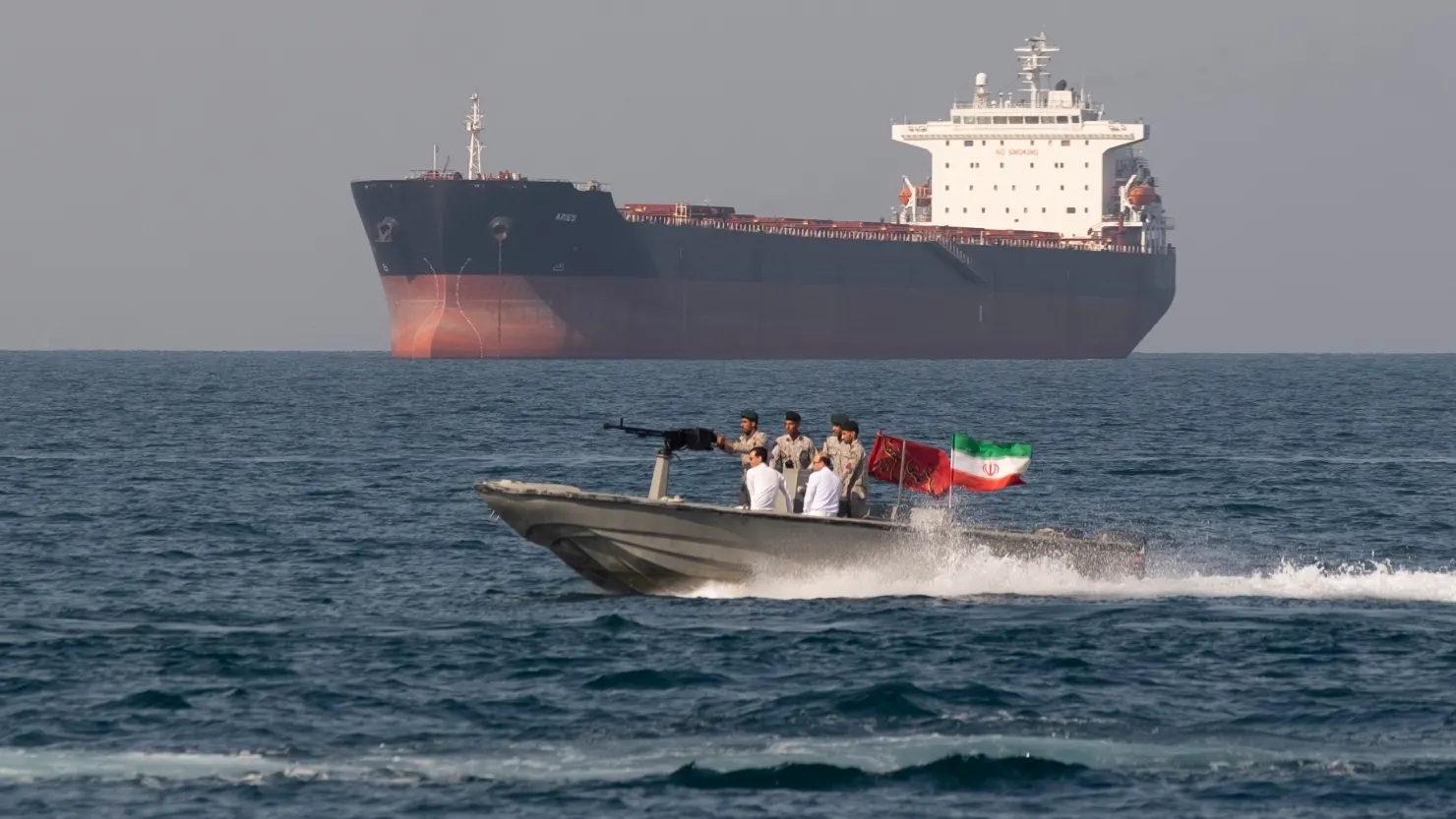
The global economy is increasingly dependent on a narrow network of critical routes, resources and infrastructure.
From maritime shipping lanes and energy pipelines to semiconductor factories, undersea internet cables and artificial intelligence computing facilities, a relatively small number of chokepoints now support enormous portions of economic activity.
Their growing importance is forcing governments to reconsider national security, economic resilience and long-term strategic planning. One of the most consequential chokepoints remains global maritime trade.
Register for the next Tekedia Mini-MBA.
Register for Tekedia AI in Business Masterclass.
Join Tekedia Capital Syndicate and co-invest in great global startups.
The Strait of Hormuz, the Suez Canal, the Panama Canal and the Strait of Malacca are essential arteries connecting major producers and consumers.
Disruptions caused by military conflicts, political tensions, droughts or accidents can delay shipments, increase insurance costs and push up energy and commodity prices.
The Red Sea security crisis demonstrated how instability around a relatively narrow shipping corridor can force vessels to take longer routes, increasing transportation costs and disrupting supply chains worldwide.

Energy infrastructure represents another major vulnerability. Global economies remain heavily dependent on concentrated sources of oil, natural gas and critical minerals.
The Strait of Hormuz, through which a substantial share of internationally traded petroleum passes, illustrates how geopolitical tensions can threaten energy security.
The transition towards renewable energy is creating new dependencies on lithium, cobalt, nickel and rare earth elements. Countries controlling extraction, processing and refining capacity can exercise considerable influence over industries ranging from electric vehicles to advanced defence systems.

Technology is creating an equally significant concentration of power. Semiconductor manufacturing depends on specialised facilities, advanced equipment and highly concentrated supply chains.
Taiwan’s position in advanced chip production makes the island strategically important far beyond its geographical size. Any disruption could affect smartphones, automobiles, military systems and artificial intelligence infrastructure.
Meanwhile, a limited number of companies dominate advanced chipmaking equipment, cloud computing and high-performance processors, creating additional points of vulnerability.
Undersea cables are another increasingly important chokepoint. These networks carry the overwhelming majority of international data traffic, connecting financial markets, governments, businesses and communication systems.
Damage from accidents, sabotage or geopolitical confrontation could interrupt essential services across multiple countries. As digital economies expand, protecting these networks is becoming a national security priority.
Water resources and food supply chains present emerging vulnerabilities. Major river systems, strategic reservoirs and agricultural export hubs are increasingly exposed to climate change, drought and political disputes.
Countries dependent on imported grain, fertilisers or freshwater-intensive commodities face significant risks when production or transportation is disrupted.
The central challenge is reducing excessive dependence without sacrificing the efficiencies of global trade. Diversifying suppliers, developing alternative transport corridors, maintaining strategic reserves and investing in domestic production can strengthen resilience.
International cooperation is equally important because many chokepoints cross national borders and require coordinated protection. Resilience should become a central principle of economic planning.
Governments must identify critical dependencies, conduct disruption simulations and invest in redundant infrastructure before crises emerge.
The objective is not complete self-sufficiency, which would be economically unrealistic, but the ability to withstand disruptions without triggering systemic failure.
In an increasingly interconnected world, strategic power will belong not only to countries controlling valuable resources but also to those capable of protecting the networks connecting them.
Understanding emerging chokepoints is therefore essential to national security, economic stability and long-term prosperity.