

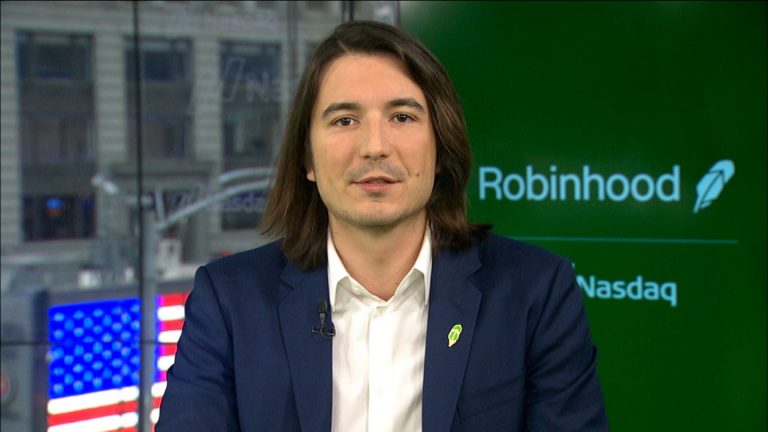
Robinhood CEO Vlad Tenev has highlighted significant interest from private companies in tokenizing their equity following the launch of Robinhood’s stock token platform in the European Union. In a Bloomberg interview, Tenev noted a “deluge of inquiries” from private firms eager to make their shares accessible to retail investors through blockchain-based tokens. This platform, currently EU-exclusive, offers over 200 tokenized U.S. equities and aims to democratize access to private markets, addressing the issue of large companies staying private longer.
Tenev emphasized the potential of tokenization to resolve inequities in capital markets by enabling broader investor participation. However, the initiative has faced scrutiny, with regulators like the Bank of Lithuania seeking clarification on token structures, and companies like OpenAI clarifying that these tokens do not represent actual equity. Tenev remains confident that the offerings comply with EU regulations and could expand to markets like the U.S. pending regulatory approval.
Tokenization allows retail investors to access private company equity, traditionally reserved for institutional or high-net-worth investors. By fractionalizing shares via blockchain, platforms like Robinhood enable smaller investors to participate in high-growth private firms. Tokenized equities can be traded on secondary markets, increasing liquidity for private company shares, which are typically illiquid.
Register for Tekedia Mini-MBA edition 20 (June 8 – Sept 5, 2026).
Register for Tekedia AI in Business Masterclass.
Join Tekedia Capital Syndicate and co-invest in great global startups.
Register for Tekedia AI Lab.
This could attract more investors and potentially lower the cost of capital for companies. Blockchain-based platforms operate across borders, potentially allowing investors from diverse regions, like the EU, to invest in U.S.-based private companies, broadening the investor base. Tokenization leverages blockchain for transparency, security, and reduced transaction costs.
Smart contracts can automate processes like dividend payments or shareholder voting, streamlining operations. Traditional barriers, such as high minimum investment thresholds or complex brokerage processes, are reduced, making investing more accessible. Tokenization could lead to innovative financial instruments, such as tokenized derivatives or fractional ownership models, fostering competition among platforms.
Established financial institutions may need to adapt to compete with platforms like Robinhood, potentially accelerating the adoption of blockchain in traditional markets. As seen with the Bank of Lithuania’s inquiries, tokenized equities face regulatory challenges. Platforms must navigate complex securities laws, which vary by jurisdiction, to ensure compliance. Widespread adoption could push regulators to create standardized frameworks for tokenized assets, fostering trust and scalability.

Tokenization relies on digital platforms and blockchain literacy, which may exclude individuals without access to reliable internet, smartphones, or technical knowledge. This could widen the gap between tech-savvy investors and those less familiar with digital tools. Understanding tokenized assets requires knowledge of blockchain and financial markets. Without adequate education, less-informed investors risk making poor decisions or falling prey to scams, deepening financial inequality.
While tokenization aims to democratize access, wealthier investors with greater resources and risk tolerance may still dominate high-growth opportunities, as they can afford to invest larger sums or absorb potential losses. Although tokenization lowers barriers, private companies may still prioritize institutional investors or set high token prices, limiting true retail participation. Robinhood’s platform is currently EU-only, and regulatory hurdles (e.g., SEC approval in the U.S.) could delay or restrict access in other regions, creating disparities in who can participate.
Countries with less developed regulatory frameworks may struggle to integrate tokenized assets, potentially excluding investors from emerging markets. Tokenized equities, especially in private companies, can be highly speculative. Less experienced retail investors may face significant losses compared to institutional investors with better risk management. Missteps in compliance or unclear token structures (e.g., tokens not representing actual equity, as noted with OpenAI) could erode trust, disproportionately affecting retail investors.

Despite blockchain’s decentralized nature, platforms like Robinhood control access, pricing, and token offerings. This centralization could lead to gatekeeping or favoritism, limiting the inclusivity of tokenization. Platform fees for trading tokenized assets could disproportionately impact smaller investors, reinforcing financial divides. Platforms and regulators could invest in public education campaigns to boost financial and blockchain literacy, ensuring broader participation.
Platforms should prioritize user-friendly interfaces and low-cost access to cater to diverse demographics. Harmonized global standards for tokenized assets could reduce jurisdictional disparities and build trust. Platforms must clearly communicate token structures (e.g., whether tokens represent true equity) to protect retail investors. Lowering fees and minimum investment thresholds can make tokenization more inclusive.
Equity tokenization has the potential to reshape capital markets by broadening access and enhancing liquidity, but it also risks exacerbating existing divides if not implemented thoughtfully. The digital, economic, and regulatory gaps could deepen inequalities unless proactive measures ensure inclusivity, transparency, and education. As platforms like Robinhood expand, balancing innovation with equity will be critical to realizing the full potential of tokenized markets.