

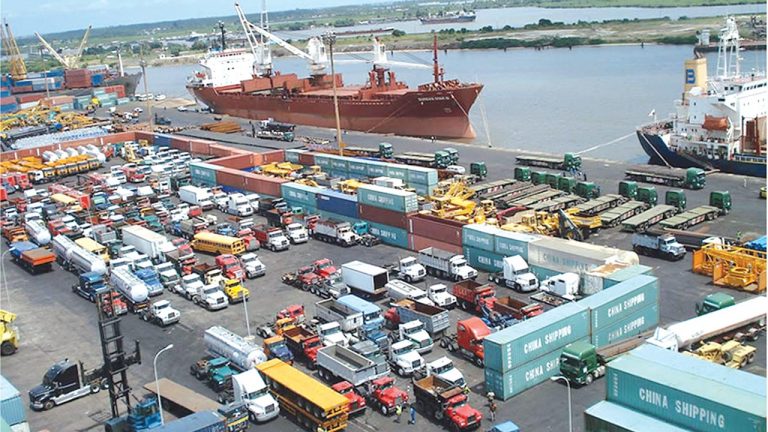
Global powers are zeroing in on Togo as their preferred maritime gateway in West Africa, with both the United States and Russia throwing weight behind the Port of Lomé.
Their growing presence signals a strategic shift away from other regional ports—most notably Nigeria’s congested Lagos ports—as Togo’s capital positions itself as the new epicenter of trade in the African Continental Free Trade Area (AfCFTA) era.
AfCFTA is a free trade agreement among 55 African Union member states, aiming to create a single continental market for goods and services. The goal is to boost intra-African trade, reduce trade barriers, and enhance Africa’s global trade position.
Register for Tekedia Mini-MBA edition 20 (June 8 – Sept 5, 2026).
Register for Tekedia AI in Business Masterclass.
Join Tekedia Capital Syndicate and co-invest in great global startups.
Register for Tekedia AI Lab.
The U.S. is now actively pursuing trade expansion through Lomé. Just last week, a delegation led by the Chargé d’Affaires of the U.S. Embassy in Lomé, Richard C. Michaels, conducted a full tour of the port facility and held a high-level meeting with the management of Lomé Container Terminal (LCT). Discussions centered on unlocking commercial opportunities for American businesses by leveraging Togo’s advanced port infrastructure.
“With advanced deep-water capabilities, cutting-edge equipment, and an annual throughput exceeding 30 million tons, Lomé offers U.S businesses unmatched access to African markets.
‘’Ongoing infrastructure expansion, including a dry-port and industrial zone, further enhances the port’s role as a growing gateway,” commented the U.S Embassy in Togo.

This diplomatic and trade push comes just days after U.S. President Donald Trump met with five West African leaders—Gabon, Guinea-Bissau, Liberia, Mauritania, and Senegal—in Washington. While the meeting emphasized trade collaboration amid U.S. aid cuts, Togo’s absence was conspicuous in person but prominent in strategy: its port has quietly become the favored route into African markets.
Russia, on the other hand, has secured a more militarized entry. This month, Moscow ratified a defense cooperation agreement with Togo, originally signed earlier this year. The deal includes military exercises, arms support, and joint training—but notably, also grants Russian warships access to Togo’s strategic ports, including Lomé.
“Togo is considered the most organized and equipped in Tropical Africa. For example, the busiest seaport in West Africa is located on its territory,” said Vladimir Gruzdev, a member of the Russian Government Commission on Legislative Activity.

The deal also covers hydrography, navigation, and anti-piracy support, further extending Russia’s strategic reach through maritime infrastructure.
Beyond great power rivalry, Lomé’s port has been energized by the surge in Asia-West Africa trade, which has transformed the port into a central regional container hub. Major ocean carriers like MSC have started deploying ultra-large container vessels (ULCVs) directly to Lomé, bypassing traditional hubs like Lagos. Analysts say this reflects how seamlessly Togo has adapted to the demands of modern maritime logistics.
Economists now view Togo as a key AfCFTA winner, having reshaped its seaport infrastructure to support intra-African trade. Goods arriving at Lomé are easily trucked into larger markets, including Nigeria—an arrangement that exploits Nigeria’s weaknesses. The country remains bound to its outdated Lagos port system, plagued by high charges, inefficient customs processes, and chronic congestion.
Successive Nigerian governments have largely ignored calls by maritime experts to decongest Lagos and invest in underutilized Eastern ports such as Calabar, Onne, and Port Harcourt. This inaction is believed to have opened the door for smaller neighbors to capitalize.
The Shipping Association of Nigeria (SAN), which represents foreign shipping lines operating in the country, recently raised the alarm over the increasing diversion of cargo to nearby ports, particularly Lomé and Cotonou. SAN Chairperson Boma Alabi explained that most of these goods eventually make their way into Nigeria through informal means, resulting in economic losses.
The practice not only leads to cargo loss but strips Nigeria of vital revenue, job opportunities, and value chain benefits.
Alabi also criticized plans to introduce additional Free On Board (FOB) charges on cargo clearance in Nigeria, warning it would worsen port competitiveness and drive more business across the border.
With the AfCFTA now in effect, regional trade integration is accelerating—and so is the urgency for nations to align infrastructure with opportunity. Togo is believed to have moved swiftly and strategically, investing in capacity, access, and international partnerships. Nigeria, by contrast, continues to rely on a narrow maritime choke point, unfit for the scale of current or future trade.
Analysts have warned that unless Nigeria breaks away from its Lagos dependence and invests in alternate seaport corridors, it risks not just losing relevance but becoming a passive recipient of goods and value now being routed, controlled, and taxed by its smaller but more agile neighbor.