

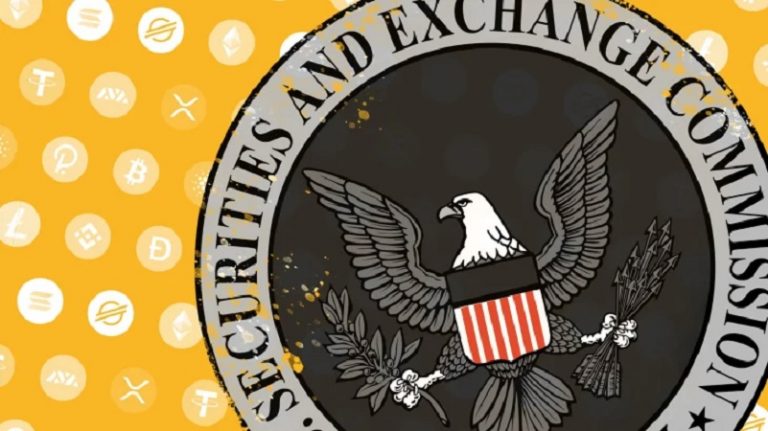
The Trump administration’s financial regulators are preparing to advance a more crypto-friendly regulatory agenda as sweeping legislation remains stalled in Congress, giving the digital asset industry a potential short-term reprieve but leaving businesses exposed to future political and legal reversals.
The Securities and Exchange Commission and Commodity Futures Trading Commission are increasingly taking the lead on rules that could determine how cryptocurrencies, token offerings and crypto derivatives are regulated in the United States.
The shift comes after years of lobbying by crypto companies and industry groups for legislation that would establish a clear legal framework for digital assets. Those efforts have stalled, leaving lawmakers with limited time to reach a deal before the next Congress takes office.
Register for the next Tekedia Mini-MBA.
Register for Tekedia AI in Business Masterclass.
Join Tekedia Capital Syndicate and co-invest in great global startups.
“The agencies … seemingly are ready to act, given that Congress has been unwilling or unable to do so,” said Miller Whitehouse-Levine, CEO of the Solana Policy Institute.
The SEC is working on a rule that would exempt certain token offerings from securities regulations and is expected to advance the proposal in coming weeks. The CFTC is also scheduled to discuss cryptocurrency regulation at an industry gathering this week.
The regulatory push could provide the clarity crypto companies have sought for years, but industry executives and legal experts warn that rules created by regulators do not carry the same durability as legislation enacted by Congress.

Regulatory Clarity Could Prove Temporary
The central issue is that agencies can change their policies when administrations change. The proposed Clarity Act would establish statutory definitions for which digital assets should be treated as securities and which should fall under commodities regulation. It would also determine the respective jurisdictions of the SEC and CFTC.
Without such legislation, regulators could establish a framework under existing authority, but a future administration could reverse course.
The Trump administration’s rollback of numerous financial and consumer-protection policies introduced during Joe Biden’s presidency has reinforced those concerns. A future administration could similarly dismantle or rewrite crypto policies adopted under Trump.

That possibility is significant for an industry that faced aggressive enforcement during the Biden administration under former SEC Chair Gary Gensler.
Gensler’s SEC filed lawsuits against numerous crypto companies, arguing that various digital tokens constituted securities and that the companies should have registered with the agency.
Josh Riezman, chief legal and strategy officer at crypto trading firm GSR, said the SEC and CFTC could move quickly on rules that would benefit the industry in the near term.
“But then the next administration, depending on how that shakes out, we can be looking very much like a potentially Gensler 2.0 type scenario,” he said.
That uncertainty could make companies reluctant to treat regulatory changes as permanent. It could also complicate investment decisions involving exchanges, token issuers, financial institutions and other businesses whose operations depend heavily on regulatory classifications.
Trump Has Made Crypto A Policy Priority
Trump has placed cryptocurrency at the center of his second administration’s economic agenda after courting support and campaign contributions from the crypto industry. His administration’s SEC and CFTC appointees have moved quickly to unwind several Biden-era policies and enforcement actions involving digital assets.
SEC Chair Paul Atkins has proposed broad changes to capital-markets rules aimed at accommodating cryptocurrency and blockchain technology.
At the CFTC, Chair Michael Selig approved perpetual bitcoin futures earlier this year, opening the door to broader use of highly leveraged derivatives products. Industry executives expect the agency could approve perpetual futures tied to additional cryptocurrencies.
The administration’s approach marks a significant shift from the enforcement-focused strategy that characterized much of the previous SEC regime. Industry analysts expect that shift to reduce regulatory costs and legal uncertainty, and also encourage more traditional financial institutions to expand their involvement in digital assets.
But the absence of legislation means the political durability of those changes remains uncertain.
The stalled legislation also reflects a broader political divide over how cryptocurrency should be regulated. Many Democrats support establishing a formal regulatory framework but generally want stronger protections against money laundering, fraud, conflicts of interest, and other risks associated with digital assets.
That could become more important if Democrats regain control of the House of Representatives in the November midterm elections. A change in congressional control could give Democrats greater authority to scrutinize the SEC and CFTC and challenge the direction of agency rulemaking.
The prospect of a political shift therefore creates another layer of uncertainty for regulators attempting to establish a new crypto framework. Even rules that survive an administration change could face congressional scrutiny or new legal challenges.
Wall Street Opposition Adds Another Hurdle
Crypto companies are not the only stakeholders seeking to influence the regulatory process. Traditional financial institutions and industry groups have challenged some of the Trump administration’s crypto policies, arguing that regulators are moving too quickly or creating competitive disadvantages for established financial markets.
CME Group sued the CFTC in June over the agency’s approval of perpetual cryptocurrency futures. The Securities Industry and Financial Markets Association has also urged the SEC to reconsider elements of its plans for blockchain-based stock trading.
Such disputes could result in lengthy litigation. Court challenges may delay implementation of new rules or leave them vulnerable to being overturned before they become established industry standards. That creates a potentially awkward cycle for the crypto industry: regulatory action can provide immediate clarity, but litigation and changes in political leadership can prevent that clarity from becoming durable.
However, for crypto companies, the immediate regulatory shift is still viewed as preferable to continued uncertainty.
“The agencies moving forward just shows this recognition of, we can’t just stand by and not do anything,” said Summer Mersinger, CEO of the Blockchain Association and a former Republican CFTC commissioner.
“That’s going to be really helpful and we applaud their work,” she said. “But we need something permanent.”
That distinction is likely to define the next phase of U.S. crypto policy.
The Trump administration can substantially reshape the regulatory environment through appointments, enforcement decisions and agency rulemaking. But only Congress can establish a statutory framework that is significantly harder for a subsequent administration to reverse.