

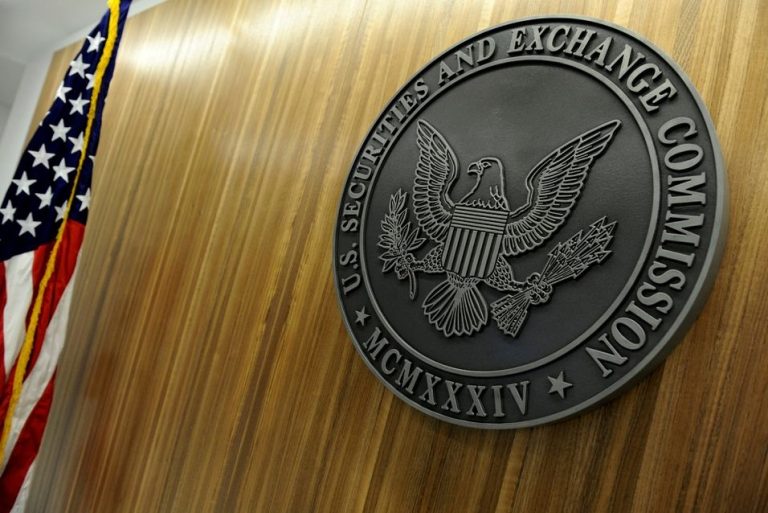
U.S. Securities and Exchange Commission (SEC) has approved generic listing standards for commodity-based exchange-traded products (ETPs), including spot crypto ETFs, streamlining the approval process by eliminating the need for individual case-by-case reviews under Section 19(b) of the Securities Exchange Act of 1934.
This allows exchanges like Nasdaq, NYSE Arca, and Cboe BZX to list qualifying ETFs faster, potentially within 60-75 days instead of the previous 240-day process. The decision is seen as a significant step toward mainstreaming crypto ETFs, with industry experts like Bloomberg ETF analyst James Seyffart calling it a “game-changer” that could lead to over 100 new crypto ETFs in the next 12 months.
To be eligible under the new standards, a crypto asset must either trade on a market that is a member of the Intermarket Surveillance Group (ISG) with surveillance-sharing agreements, underlie a futures contract traded for at least six months on a Commodity Futures Trading Commission (CFTC)-regulated exchange, or be tracked by an existing ETF with at least 40% exposure listed on a national securities exchange.
These criteria ensure regulatory oversight and market maturity for eligible tokens. James Seyffart, in a post on X dated September 17, 2025, highlighted that the approval covers “Commodity-Based Trust Shares,” including crypto ETPs, and noted that tokens with futures contracts listed on exchanges like Coinbase (approximately 12-15 coins) are likely eligible.
Register for Tekedia Mini-MBA edition 20 (June 8 – Sept 5, 2026).
Register for Tekedia AI in Business Masterclass.
Join Tekedia Capital Syndicate and co-invest in great global startups.
Register for Tekedia AI Lab.
While Seyffart did not provide an explicit list of tokens the standards suggest that tokens like Bitcoin (BTC), Ethereum (ETH), XRP, Solana (SOL), Litecoin (LTC), Dogecoin (DOGE), Cardano (ADA), Avalanche (AVAX), Chainlink (LINK), Polkadot (DOT), and BNB could qualify, as they are mentioned in pending ETF applications or have established futures markets.
This move aligns crypto ETFs with traditional commodity-based ETFs under Rule 6c-11, reducing barriers and fostering innovation, though some, like SEC Commissioner Caroline Crenshaw, expressed concerns about investor safety due to less rigorous product vetting.
By removing the need for individual SEC reviews under Section 19(b), exchanges can list qualifying crypto ETFs in 60-75 days instead of 240 days. This accelerates the launch of new crypto ETFs, potentially leading to over 100 new products within a year, as predicted by James Seyffart.

The simplified process makes it easier for smaller or newer tokens to gain ETF exposure, increasing their visibility and legitimacy in mainstream finance. Institutional investors, previously limited by regulatory hurdles or direct crypto custody concerns, can now invest in a broader range of crypto assets through regulated ETFs, reducing operational and compliance risks.
The availability of diverse crypto ETFs could attract significant institutional capital, similar to the $33 billion in net inflows to spot Bitcoin ETFs since their approval in January 2024. This could drive up token prices and market liquidity. The SEC’s move signals growing regulatory acceptance, encouraging more traditional financial institutions to engage with crypto assets.
ETFs provide a regulated, familiar vehicle for retail investors to gain exposure to crypto without needing to manage wallets or navigate unregulated exchanges, lowering entry barriers. Multi-asset ETFs, like Grayscale’s Digital Large Cap Fund allow investors to diversify across crypto assets within a single product.

Critics, including SEC Commissioner Caroline Crenshaw, warn that the generic standards reduce scrutiny of individual ETFs, potentially exposing investors to risks from less mature or volatile tokens. The lack of rigorous vetting could lead to products with weaker market surveillance or higher manipulation risks.
Nasdaq, NYSE Arca, and Cboe BZX can now compete to list new crypto ETFs, potentially driving innovation and reducing fees for investors as exchanges vie for market share. The requirement for tokens to trade on ISG-member markets or have CFTC-regulated futures contracts ensures some level of market oversight, reducing risks of fraud and manipulation but limiting eligibility to more established tokens.
Increased demand from ETF investors could drive up prices for eligible tokens, particularly for smaller market cap assets like XRP or Solana, which may see heightened interest. Rapid inflows into new ETFs could amplify price volatility, especially for less liquid tokens. Conversely, diversified ETFs may stabilize exposure by spreading risk across multiple assets.
Firms like Grayscale, BlackRock, and others with pending ETF applications (e.g., for Solana, XRP, or multi-asset funds) stand to benefit from faster approvals and increased product offerings. The generic standards may encourage creative ETF structures, such as thematic or multi-asset crypto funds, catering to diverse investor preferences.
The SEC’s approval of generic listing standards for commodity ETFs, including crypto ETPs, marks a pivotal moment for the crypto industry, fostering greater institutional and retail adoption, increasing market liquidity, and enhancing regulatory legitimacy. However, it also introduces risks related to investor protection and market volatility.
The move could reshape the crypto investment landscape, with eligible tokens like Bitcoin, Ethereum, XRP, Solana, and others likely to see increased demand, while setting the stage for further regulatory and market evolution. The approval also coincided with the SEC greenlighting Grayscale’s Digital Large Cap Fund, which includes exposure to Bitcoin.