

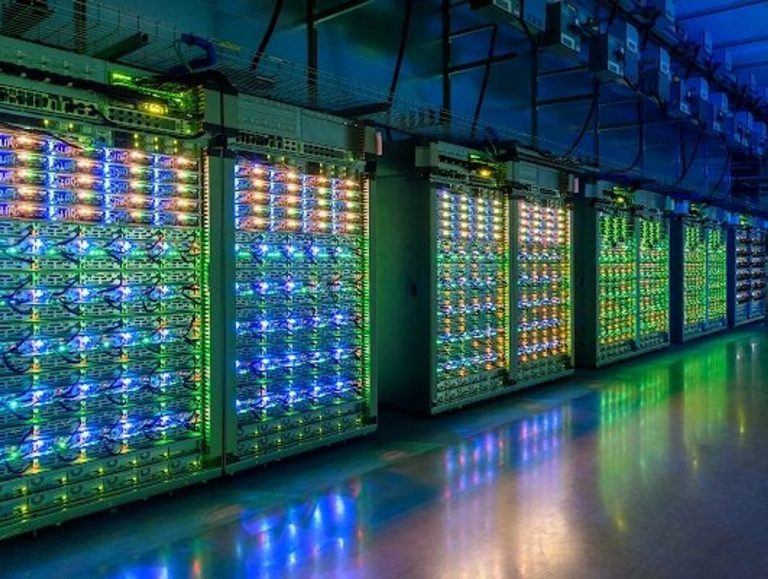
State-owned German energy company Uniper is exploring a new strategy to generate revenue from its existing power plant infrastructure by establishing artificial intelligence (AI) data centres at selected sites.
The plan reflects a growing convergence between the energy and technology sectors, as the rapid expansion of AI creates enormous demand for reliable electricity and strategically located computing infrastructure.
AI data centres require far more power than conventional data centres because they rely on energy-intensive graphics processing units and advanced computing systems. As companies race to develop increasingly sophisticated AI models, demand for computing capacity is rising sharply.
This has created a new challenge for the technology industry: securing sufficient electricity at competitive prices while maintaining reliable and scalable power supplies.
Register for the next Tekedia Mini-MBA.
Register for Tekedia AI in Business Masterclass.
Join Tekedia Capital Syndicate and co-invest in great global startups.
For Uniper, this trend could create an opportunity to transform power plant locations into valuable digital infrastructure hubs. Rather than relying solely on traditional electricity generation and trading.
The company could use its existing sites, grid connections and energy expertise to support data-centre development. Such a strategy could provide an additional source of revenue while giving technology companies access to locations with established energy infrastructure.
The idea highlights the changing economic value of power infrastructure. Historically, power plants were designed primarily to generate electricity for households and industrial customers. The rise of AI is creating a new category of electricity demand in which computing facilities themselves become major energy consumers.

Locating data centres close to power generation and transmission infrastructure could potentially reduce some of the challenges associated with connecting large new loads to the grid.
Germany is particularly interested in strengthening its position in the AI economy while managing its broader energy transition. The country has invested heavily in renewable energy, but its industrial economy requires dependable electricity supplies.
AI data centres add another layer of complexity because they generally need continuous power and highly reliable grid connections. Uniper’s proposal therefore represents more than a property-development strategy.

It could become part of a broader effort to connect Germany’s energy infrastructure with its emerging digital economy. Former or underused industrial sites could potentially be repurposed for high-value technology activities, helping regions attract investment, create jobs and generate new tax revenues.
However, the strategy faces significant challenges. Data centres consume substantial amounts of electricity and require cooling systems, communications infrastructure and significant capital investment.
Local grid capacity may also become a constraint if multiple large computing facilities seek connections in the same region. Germany will need to balance the economic benefits of AI infrastructure against concerns about energy availability, network congestion and environmental impact.
For Uniper, the timing is significant. The company operates within an energy market undergoing major structural changes, with renewable generation, electrification and evolving power prices reshaping traditional business models.
Developing partnerships with data-centre operators could diversify its revenue base and position the company closer to one of the fastest-growing sources of electricity demand. Uniper’s plans illustrate how AI is changing the economics of infrastructure.
The future data centre may not simply be a technology facility seeking electricity from the grid; it could increasingly become an integral component of the energy system itself. By turning power plant sites into potential AI hubs.
Uniper is betting that the next generation of digital infrastructure will be built around access to energy. If successful, the strategy could offer Germany a model for combining its industrial heritage, energy assets and ambitions to become a leading AI economy.