

U.S. Treasury yields held steady on Thursday amid the apparent calm in bond markets that belies a more complex recalibration underway as investors confront a convergence of monetary policy uncertainty and a renewed energy shock.
The benchmark 10-year yield remained anchored around 4.41%, while the two-year note, typically the most sensitive to policy expectations, edged lower to 3.916%. That divergence points to a market that still anticipates eventual easing by the Federal Reserve, but is increasingly uncertain about the timing and durability of any rate cuts.
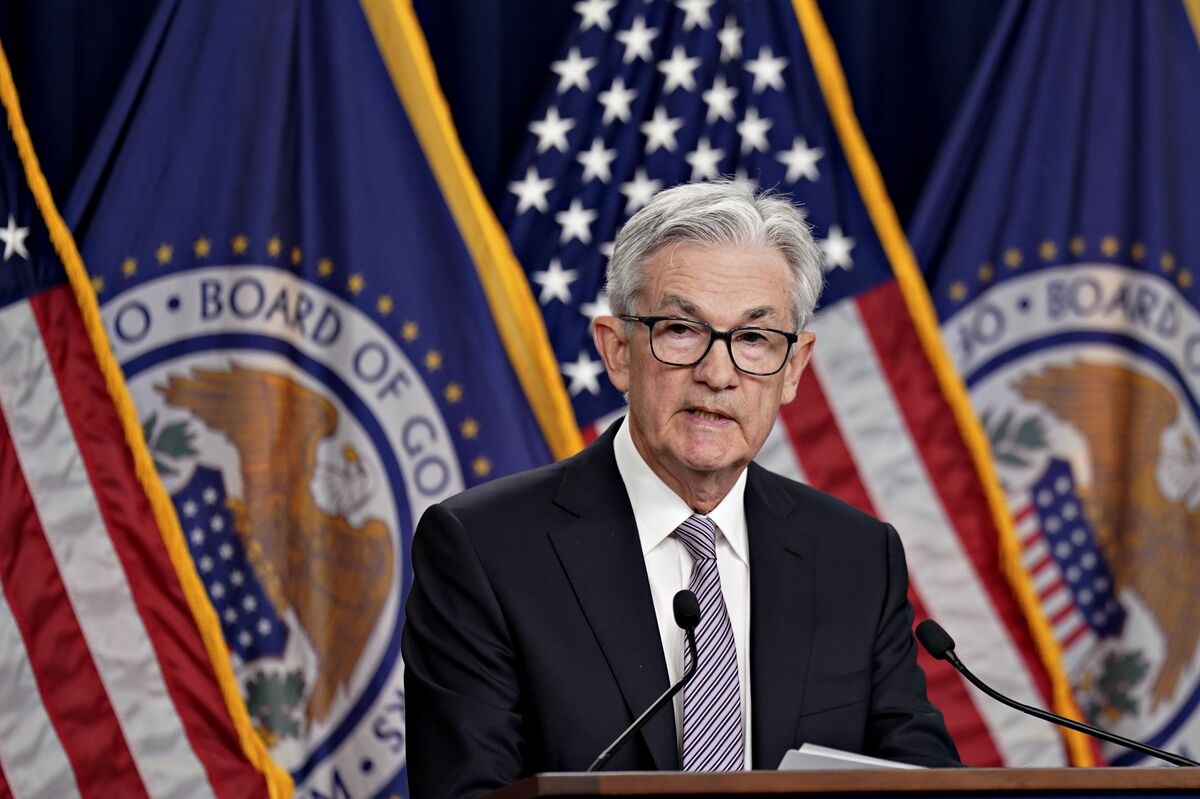
The Fed’s decision to keep its policy rate at 3.50% to 3.75% was expected. What unsettled investors was the degree of internal disagreement. Three policymakers pushed back against language signaling a potential easing bias, marking the sharpest split in more than three decades. The dissent highlights a growing fracture within the central bank between officials wary of persistent inflation and those more focused on protecting growth.
Register for the next Tekedia Mini-MBA.
Register for Tekedia AI in Business Masterclass.
Join Tekedia Capital Syndicate and co-invest in great global startups.
That tension is being intensified by developments in global energy markets. Brent crude briefly surged above $126 per barrel, its highest level in four years, before easing back, while West Texas Intermediate held near $106. The rally is tied to the escalating confrontation involving Iran, where the prospect of further U.S. military action and the continued blockade of the Strait of Hormuz are constraining one of the world’s most critical supply corridors.
Energy prices act as a transmission channel into broader inflation, raising input costs for businesses and eroding household purchasing power. The risk is not limited to headline inflation. Sustained increases in oil prices can seep into core measures through wages and services, complicating the Fed’s effort to bring inflation back to target.
The bond market is beginning to reflect that risk asymmetrically. While long-term yields remain relatively stable, short-term rate expectations are becoming more volatile as traders reassess the likelihood of near-term easing. The earlier consensus that the Fed could begin cutting rates within months is now being tested by the possibility of a prolonged energy-driven inflation cycle.

Upcoming economic data could sharpen that reassessment. The personal consumption expenditures index, the Fed’s preferred gauge, is expected to show core inflation at 3.2% for March, still well above the central bank’s 2% objective. At the same time, first-quarter GDP figures are likely to show slowing momentum, creating a policy bind where inflation remains elevated even as growth cools.
This dynamic raises the specter of a stagflationary backdrop, a scenario central banks are keen to avoid. It also explains the heightened sensitivity to Fed communication. The dissent within the Federal Open Market Committee suggests that consensus on the policy path is weakening, increasing the risk of sharper market reactions to future data surprises or geopolitical developments.
Globally, similar pressures are emerging. The European Central Bank and the Bank of England are both expected to hold rates steady, yet face a deteriorating trade-off. Euro zone inflation has accelerated to 3% quarter-on-quarter even as growth slowed to 0.1%, reinforcing concerns that Europe may be entering a low-growth, high-inflation phase.

The broader market implication is a shift away from a policy-driven narrative toward one dominated by geopolitics and supply-side shocks. The war-linked disruption to energy flows, particularly through the Strait of Hormuz, is injecting a persistent risk premium into global markets. That premium is now being priced not just into oil, but into bonds, currencies, and equities.
For investors, the key question is no longer whether rates will fall, but whether central banks can afford to cut at all if energy-driven inflation proves sticky. The current stability in Treasury yields indicates a holding pattern. Underneath, however, the policy outlook is becoming more fragile, shaped as much by events in the Middle East as by domestic economic data.