

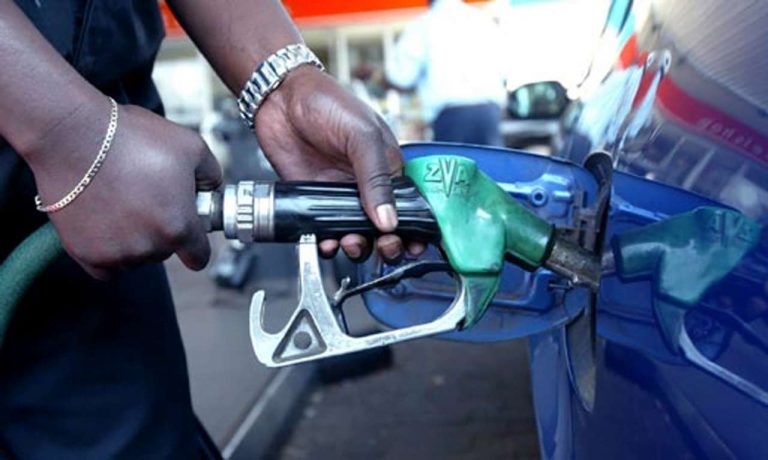
US gas prices have surged dramatically in March 2026, reaching levels not seen in several years, with the national average for regular unleaded gasoline hitting around $3.884 per gallon per AAA data.
This marks a sharp climb from earlier in the year and pre-conflict levels. The national average has jumped significantly in recent weeks, with reports showing increases of 27–35 cents in single weeks during early-to-mid March. By mid-March, prices had crossed $3.50–$3.70+ in many updates, and continued rising to the current ~$3.88.
This puts prices at their highest since around 2023, though still well below the all-time peak of over $5 in June 2022 during the Russia-Ukraine invasion fallout. Diesel prices have risen even faster, approaching $5.10 nationally—also the highest since 2022.
Register for Tekedia Mini-MBA edition 20 (June 8 – Sept 5, 2026).
Register for Tekedia AI in Business Masterclass.
Join Tekedia Capital Syndicate and co-invest in great global startups.
Register for Tekedia AI Lab.
The main catalyst is the ongoing US-Israel war with Iran, which began with attacks around late February 2026. This has: Disrupted oil supplies, including attacks on facilities and threats/blockades in the Strait of Hormuz, a critical chokepoint for global oil.
Pushed crude oil prices sharply higher like Brent and WTI benchmarks surging to $90–$108+ per barrel in March, up 30–50% since the conflict escalated. Led to rapid pump price gains of 20–27% in short periods, comparable to the 2022 Ukraine invasion spike.
Seasonal factors like spring break demand, the switch to costlier summer-blend gasoline, and refinery transitions are amplifying the rise. Kansas ($3.15), North Dakota ($3.20), Oklahoma ($3.22), Arkansas ($3.24), Missouri (~$3.25). Most expensive: California often tops $5–$6 in some areas (e.g., parts exceeding $6), with other high-cost states like those on the West Coast seeing bigger jumps.
Prices are now above $3 in all 50 states. Analysts suggest prices may stay elevated “until later this year” due to ongoing conflict, seasonal demand, and supply risks. Some forecasts warn of potential $4+ averages if disruptions persist, though resolutions or supply releases could ease them.

Earlier 2026 projections (pre-conflict) expected lower annual averages, but the war has overridden those. This spike is contributing to broader inflation concerns and consumer strain, with calls from some Democrats for temporary federal gas tax suspensions to provide relief.
The surge in US gas prices due to the US-Israel conflict with Iran is exerting significant upward pressure on inflation, primarily through higher energy costs that ripple through the economy. As of the latest data, headline CPI inflation stood at 2.4% year-over-year, unchanged from January and the lowest since mid-2025.
Core inflation excluding food and energy was 2.5% year-over-year. Monthly CPI rose 0.3% in February, with energy prices rebounding modestly but not yet reflecting the post-February 28 conflict surge. This February reading predates the major oil/gas price spike, which began in early March as disruptions drove crude prices higher often $90–$100+ per barrel range in recent trading.
The March CPI data won’t be released until early April 2026, but analysts widely expect a sharp uptick. Gasoline weighs about 3–4% in the CPI basket, so rapid increases have outsized effects on headline inflation. The ~27–35% four-week jump in gas prices; one of the largest since 1990 is already passing through quickly.

Estimates suggest a $10/barrel oil increase adds roughly 0.2–0.35 percentage points to headline inflation over months. Sustained high oil ~$85–$100+/barrel could push annual inflation 0.5–1.0+ points higher for 2026 overall. Higher diesel/fuel costs raise trucking/shipping expenses ? higher prices for groceries, goods, and services.
Airlines and utilities pass on jet fuel/natural gas/electricity hikes. Broader energy inflation adds to household burdens. Economists forecast March monthly inflation could jump 0.8–0.9% (the highest in ~4 years), potentially pushing year-over-year headline CPI above 3% possibly nearing 4% in coming months if disruptions persist.
Higher energy acts like a “tax” on consumers, reducing disposable income and potentially curbing spending which drives ~2/3 of US GDP. This complicates the Federal Reserve’s balancing act: it could delay rate cuts or force tighter policy if inflation reaccelerates, risking slower growth or even recession if prolonged.
Some views note the spike may prove temporary if the conflict resolves quickly but prolonged Strait of Hormuz issues could sustain elevated prices and inflation. Pre-conflict trends were already nudging energy costs up, but the war has dramatically accelerated this.
While inflation appeared “tamed” entering 2026 hovering ~2.4%, the Iran conflict-driven energy shock is reversing that progress in the short term, hitting consumers hardest at the pump and through everyday costs. The full extent will clarify with April’s CPI release, but the trajectory points to renewed inflationary pressures unless the situation de-escalates soon.