

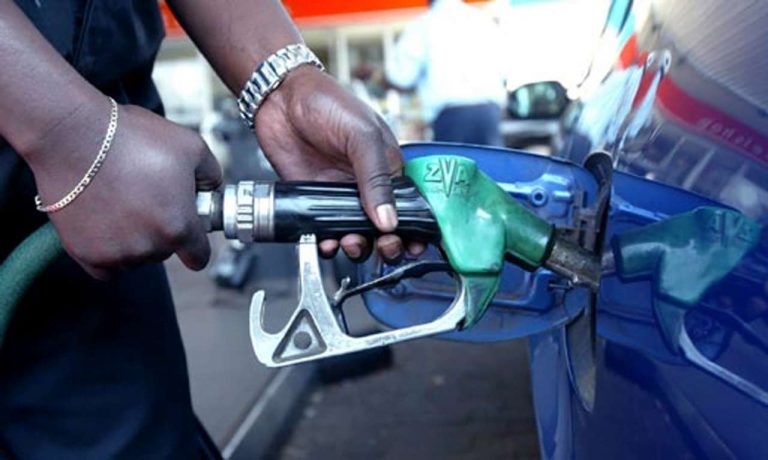
According to multiple reports from late April 2026, the U.S. national average price for regular gasoline hit $4.18 per gallon, marking the highest level since the summer of 2022 when prices peaked around $5/gallon following Russia’s invasion of Ukraine.
Around April 28, 2026, AAA data showed the average reaching $4.18. This was described as the highest in four years. Prices had already crossed the $4.00 threshold earlier in April; first time since August 2022, climbing from roughly $3.00 at the start of March.
By April 27–30, 2026, AAA and EIA weekly data showed the national average fluctuating in the $4.10–$4.30 range depending on the exact day, with some daily readings around $4.12–$4.26. The surge is largely tied to geopolitical tensions in the Middle East, specifically the U.S.-Israeli conflict with Iran that began in late February 2026.
This disrupted oil supplies and shipping; notably concerns around the Strait of Hormuz, pushing crude oil prices above $100 per barrel at times. Retail gas prices rose sharply—up roughly $1.20+ since the conflict escalated—and contributed to broader inflation concerns. There were brief dips but the overall trend in April remained elevated compared to early 2026 levels.
Register for the next Tekedia Mini-MBA.
Register for Tekedia AI in Business Masterclass.
Join Tekedia Capital Syndicate and co-invest in great global startups.
National average hit ~$5.00/gallon in June amid the Russia-Ukraine war and post-COVID demand recovery. 2026 so far: $4.18 is painful but below that record. However, the speed of the recent jump; nearly 40% in a short period for some reports has drawn attention. California often exceeds $5.50–$6.00, while some central states stay lower. The national average smooths out these differences.
Higher gas prices feed into inflation; gasoline was a major driver of the March 2026 CPI jump and increase household costs—an extra several hundred dollars annually for many drivers. They also boost gas station revenues but squeeze consumers, especially for commuting and goods transport.
Prices remain volatile and could ease with any sustained de-escalation in the Middle East, increased production elsewhere, or seasonal factors. As of the latest April 2026 updates, the average was hovering near or slightly above the $4.18 headline after some daily fluctuations.
Rising U.S. gasoline prices to around $4.18/gallon and recently higher in daily/weekly readings near $4.20–$4.30 in late April 2026 are having a noticeable but uneven impact on the electric vehicle (EV) market. High gas prices improve the total cost of ownership for EVs by widening the fuel-cost gap. Electricity for charging remains far cheaper and more stable than gasoline for most drivers.
For example, at current prices, many analyses show potential annual fuel savings of $1,000+ for typical drivers switching from a gasoline car to an EV depending on mileage, electricity rates, and vehicle efficiency. Consumer interest surged: Surveys and search data in April 2026 showed 52% of car shoppers saying rising gas prices made them more likely to consider a full EV or plug-in hybrid (PHEV).

Searches for new/used EVs jumped 23–25% month-over-month on major sites like. Used EV sales rose over 20% year-over-year in Q1 2026, with wholesale and retail values appreciating as buyers seek affordable entry points; many nice used EVs now under $25,000. Hybrids and PHEVs also gained strong interest as a hedge.
Tesla reported slightly higher Q1 2026 deliveries year-over-year. Broader new EV interest rose, with analysts noting gas prices as a key driver of consideration though conversion to actual purchases lags. Historically, gas price spikes have correlated with higher EV consideration and modest market share gains, as fuel economy becomes a bigger factor in buying decisions.
Despite the tailwind from gas prices: New EV sales still down overall: Q1 2026 new EV sales fell ~27% year-over-year to around 216,000 units, with market share around 5.8–6.2%. This follows the expiration of the federal $7,500 EV tax credit in 2025, reduced policy support, and automakers scaling back some EV plans.

Interest and searches rise quickly with pump prices, but actual sales take time. Analysts note that sustained high prices are often needed for a meaningful shift in buying behavior. Short spikes may only prompt window-shopping. Many consumers lean toward hybrids and PHEVs over full battery EVs due to lower upfront costs, range flexibility, and current infrastructure concerns.
Even with better operating economics, the higher sticker price of many new EVs remains a barrier for budget-conscious buyers. Globally, high gas prices tied to the same Middle East tensions have driven stronger EV sales growth in Europe and Asia, where other supports exist. The U.S. response has been more muted.
High gas prices are helping clear some EV inventory at better values and attracting buyers who want to escape volatile fuel costs long-term. Prolonged $4+ gas could accelerate payback periods for EVs, especially for high-mileage drivers. Some models are approaching or achieving parity faster in certain scenarios.