

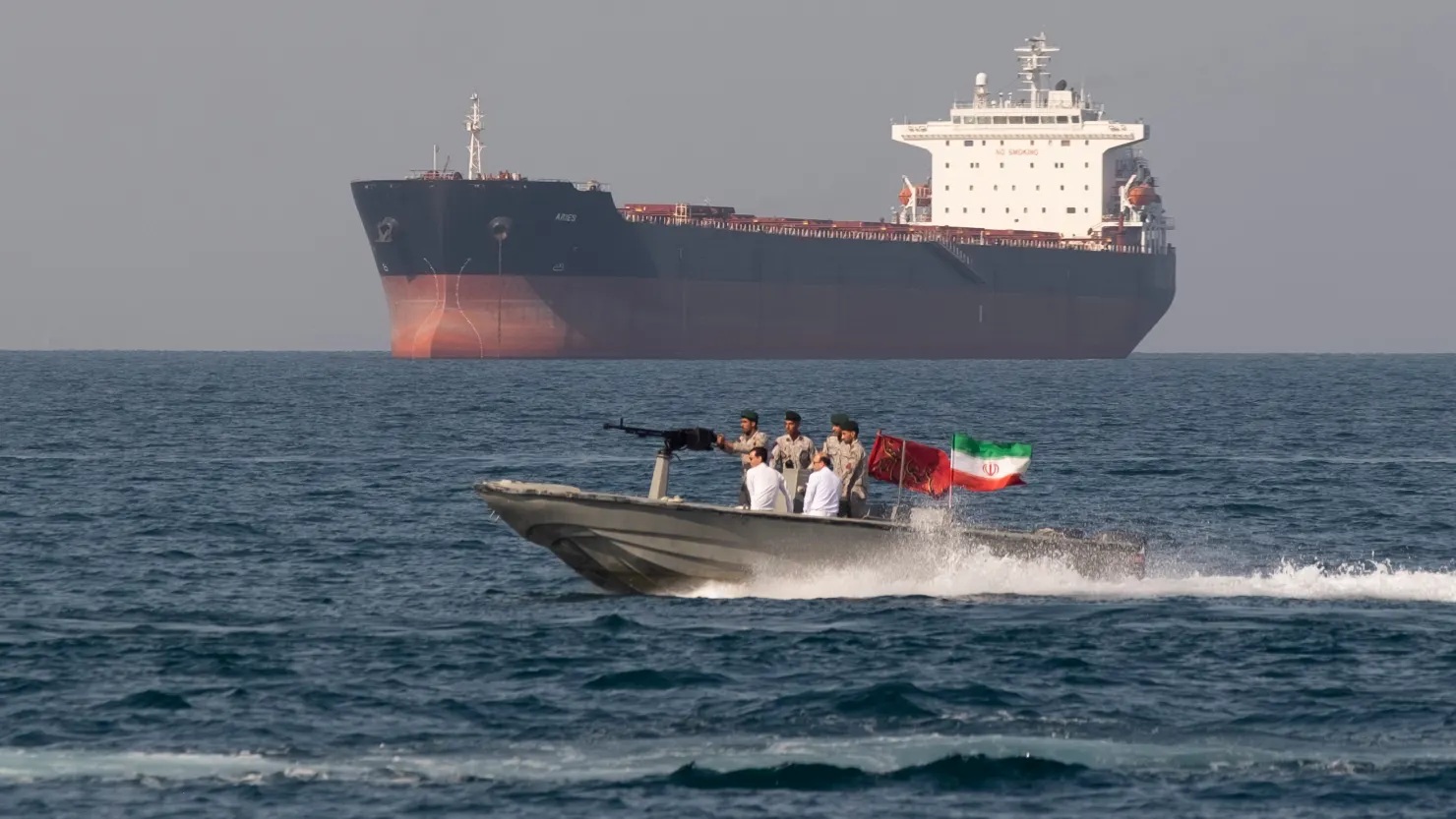
The Middle East has once again become the center of global market anxiety following reports that the United States conducted strikes against Iranian targets near the Strait of Hormuz, one of the world’s most strategically important maritime chokepoints.
The escalation quickly intensified after Iran allegedly launched attacks against other Gulf states and formally announced the closure of the Strait of Hormuz, sending shockwaves across energy markets and financial assets worldwide.
The Strait of Hormuz is often described as the world’s most important oil artery. Roughly one-fifth of global petroleum consumption passes through the narrow waterway, making any disruption a major threat to global energy security.
A closure, even if temporary, raises fears of severe supply shortages and significantly higher transportation and insurance costs for oil shipments. Financial markets reacted immediately. Crude oil prices surged more than 8% over the week as traders priced in the possibility of prolonged disruptions to global energy supplies.
Register for the next Tekedia Mini-MBA.
Register for Tekedia AI in Business Masterclass.
Join Tekedia Capital Syndicate and co-invest in great global startups.
The rally reflects concerns that a wider regional conflict could remove millions of barrels per day from international markets, particularly if production facilities or shipping routes in major Gulf producers such as Saudi Arabia, the United Arab Emirates, Kuwait, and Qatar become vulnerable.
Energy analysts have long warned that the Strait of Hormuz represents one of the largest geopolitical risks to the global economy. Previous tensions in the region have caused temporary spikes in oil prices, but an official declaration of closure by Iran marks a far more serious escalation.
If enforced, the move could trigger emergency responses from major consuming nations, including strategic petroleum reserve releases and increased diplomatic and military involvement from international powers.
The impact was not limited to energy markets. US equity futures traded lower in premarket activity as investors moved toward safer assets.

Rising oil prices typically create concerns about inflation, especially at a time when central banks are attempting to stabilize price growth and support economic expansion. Higher energy costs can quickly filter through transportation, manufacturing, and consumer prices, potentially complicating monetary policy decisions.
Investors are increasingly worried that another energy shock could derail global economic growth. Elevated oil prices act as a tax on consumers and businesses, reducing disposable income and increasing operating expenses. Sectors such as airlines, transportation, and manufacturing are particularly vulnerable to sustained increases in fuel costs.
Safe-haven assets are also likely to attract renewed demand. Periods of geopolitical uncertainty have driven investors toward gold, government bonds, and defensive currencies. Meanwhile, increased volatility may persist across equities, commodities, and cryptocurrency markets as traders assess the likelihood of further escalation.

The geopolitical implications are equally significant. Attacks involving multiple Gulf states risk transforming a bilateral confrontation into a broader regional conflict. Such a development could invite additional international intervention and create long-lasting instability in one of the world’s most economically vital regions.
For policymakers and market participants alike, the coming days will be crucial. Diplomatic efforts to de-escalate tensions will likely intensify, but the risk premium attached to energy markets may remain elevated until shipping through the Strait of Hormuz is fully secured.
The latest developments serve as a reminder of how deeply interconnected geopolitics and global markets have become. A military confrontation in the Middle East can rapidly influence inflation expectations, stock valuations, energy prices, and economic growth prospects around the world.