
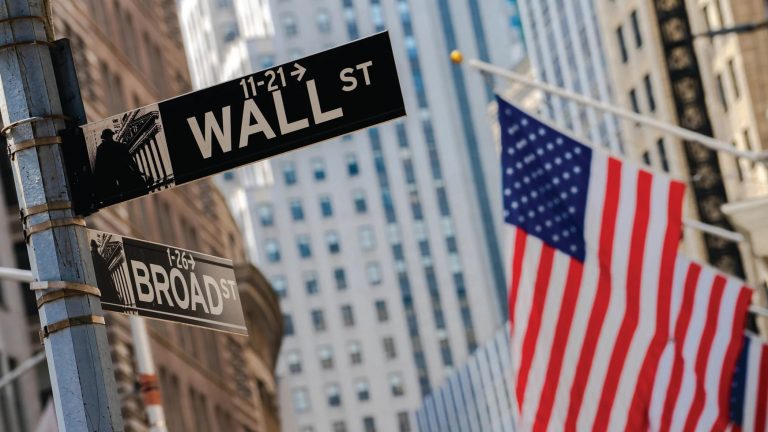
For decades, Wall Street has operated on financial infrastructure built long before the internet era reached its full potential. Traditional stock trading may appear instantaneous to retail investors, but behind the scenes, settlement systems, clearinghouses, brokers, custodians, and banks create layers of complexity that slow down transactions and increase costs.
Tokenization is emerging as Wall Street’s proposed solution to modernize this system. By placing stocks and other financial assets on blockchain networks, financial institutions believe they can create a faster, more efficient, and more accessible global market.
Tokenization refers to the process of converting ownership rights of an asset into digital tokens recorded on a blockchain. In the context of the stock market, this means shares of companies could eventually exist as blockchain-based assets instead of being tracked through traditional centralized databases.
Large financial institutions, asset managers, and technology firms are increasingly exploring tokenized equities because they see blockchain technology as a way to transform capital markets much like the internet transformed communication. One of the biggest reasons Wall Street wants tokenization is efficiency. Today, stock trades in many markets still settle on a T+1 basis, meaning it takes one business day for ownership.
Register for the next Tekedia Mini-MBA.
Register for Tekedia AI in Business Masterclass.
Join Tekedia Capital Syndicate and co-invest in great global startups.
Blockchain systems can potentially enable near-instant settlement, reducing counterparty risk and operational delays. Faster settlement also means capital becomes more liquid, allowing institutions to move money more efficiently across markets. Cost reduction is another major incentive. Traditional stock market infrastructure involves multiple intermediaries, including transfer agents, custodians, and clearing firms.
Each layer adds fees and operational overhead. Tokenized systems can automate many of these processes through smart contracts, reducing administrative costs while increasing transparency. For Wall Street firms managing trillions of dollars, even small reductions in operational expenses could translate into enormous savings.
Tokenization also opens the door to 24/7 trading. Traditional stock exchanges operate during fixed market hours and close on weekends and holidays. Blockchain-based markets, however, can function continuously. This aligns with the increasingly global nature of finance, where investors across different time zones seek uninterrupted access to markets.
The crypto industry has already demonstrated strong demand for round-the-clock trading, and Wall Street is taking notice. Another powerful advantage is fractional ownership. Tokenization makes it easier to divide assets into smaller units, allowing broader participation in financial markets.

Investors could potentially buy tiny fractions of high-priced stocks, private equity, real estate, or even fine art with greater ease. This democratization of access could attract younger and international investors who previously faced barriers to entry. Major institutions are already moving aggressively into this space. Companies like BlackRock, JPMorgan Chase, and Franklin Templeton have explored tokenized funds and blockchain settlement systems.
Their involvement signals that tokenization is no longer viewed as a fringe crypto experiment but as a serious evolution of financial markets. However, significant challenges remain. Regulation is still unclear in many jurisdictions, especially regarding securities laws, investor protection, and cross-border compliance. Cybersecurity risks, blockchain scalability, and interoperability between traditional finance and decentralized systems.
Wall Street firms must convince regulators and institutional investors that tokenized markets can remain stable and trustworthy during periods of volatility. Despite these obstacles, momentum continues to build. Wall Street sees tokenization as an opportunity to modernize outdated financial infrastructure, unlock new revenue streams, and compete in a future increasingly shaped by digital assets.
