

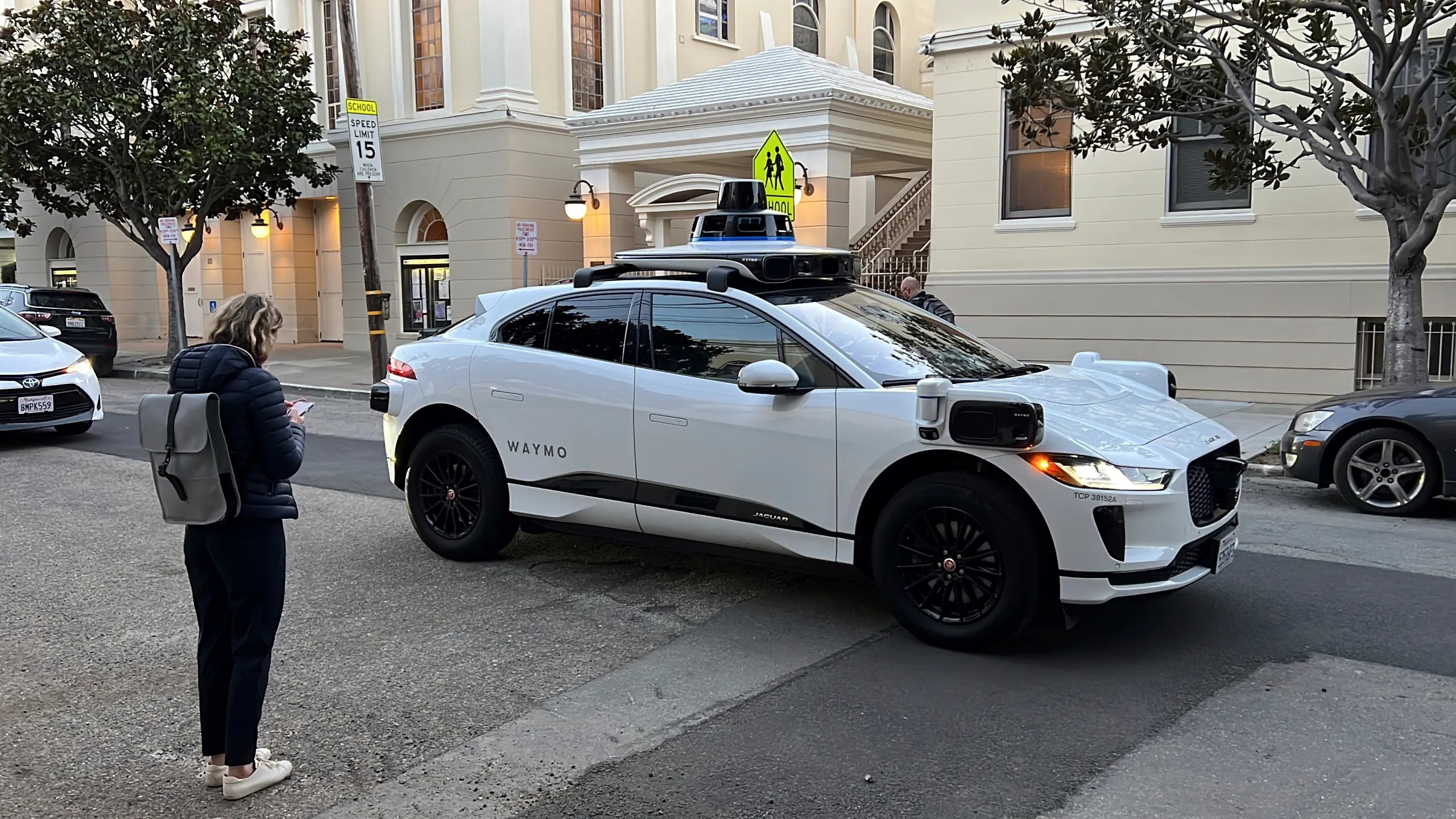
Waymo said remote assistance personnel do not directly drive its robotaxis and have never been used to move vehicles in U.S. on-road operations outside of training.
Waymo, the autonomous vehicle unit of Alphabet, has pushed back against congressional concerns over its use of remote assistance personnel, stating that such staff have never been used to drive its robotaxis during on-road operations in the United States.
In a letter to Democratic Senator Ed Markey, Waymo said it does not use remote driving or “tele-operations” to perform active driving tasks. The company clarified that its remote assistance agents provide advisory support when an automated vehicle (AV) encounters an ambiguous situation but do not directly control steering, braking, or acceleration.
Register for Tekedia Mini-MBA edition 20 (June 8 – Sept 5, 2026).
Register for Tekedia AI in Business Masterclass.
Join Tekedia Capital Syndicate and co-invest in great global startups.
Register for Tekedia AI Lab.
Markey, along with Republican Representative Buddy Carter, has raised concerns about Waymo’s reliance on remote personnel, including some based in the Philippines. In a February 3 letter, Markey said the company had provided limited public information about its policies surrounding remote assistance operations and argued that Congress and the public deserve assurance that such practices will not endanger passengers, road users, or national security.
Carter separately called on the U.S. Department of Transportation to investigate Waymo’s use of remote vehicle operators located overseas, stating that it “raises serious and reasonable concerns about roadway safety, situational awareness, and national security.” The Transportation Department said it would respond to Carter’s request.
Markey has sent similar inquiries to other autonomous vehicle developers, including Tesla, Zoox—owned by Amazon—and Aurora, signaling broader congressional scrutiny of remote operations in the AV sector.

How Waymo’s Remote Assistance System Works
Waymo operates four remote assistance centers: two in the United States, located in Arizona and Michigan, and two in the Philippines. At any given time, approximately 70 remote assistance agents are supporting the fleet, the company said.
According to Waymo, these personnel are not continuously monitoring vehicles in anticipation of intervention. Instead, the automated driving system itself initiates contact when it encounters an unusual or ambiguous situation — for example, navigating complex construction zones or unclear road markings.
The remote assistant provides guidance or contextual information, but the vehicle’s onboard system remains the decision-making authority. Waymo said its robotaxis can reject remote suggestions if the system determines that the advice is not appropriate.

“This distinction is fundamental to our safety model, ensuring the vehicle’s onboard system remains the primary, real-time authority for safe operation,” the company wrote.
Waymo added that in rare circumstances, U.S.-based personnel could prompt a stopped autonomous vehicle to move forward at 2 mph (3 kph) for a short distance to exit a travel lane. However, it said such actions have not occurred outside of training environments. Only the company’s U.S.-based Event Response Team — which handles crashes and safety incidents — has the technical ability to move a stopped vehicle.
The company said the average response time between a request for assistance and delivery of advice is a matter of seconds. During that time, the vehicle’s computer continues to operate independently, processing environmental data and making driving decisions. In most instances, Waymo said, the vehicle resolves the situation on its own without requiring external input.
Broader Implications for the Autonomous Vehicle Industry
The debate highlights a sensitive issue in the commercialization of autonomous vehicles: the extent to which “driverless” systems rely on human backstops. While companies market fully autonomous capability, many deploy layered safety frameworks that include remote support functions.
The involvement of overseas personnel introduces additional questions around cybersecurity, data protection, and response latency. Remote assistance is framed as a redundancy mechanism designed to enhance safety rather than replace autonomy.
Waymo’s clarification seeks to draw a sharp line between advisory input and direct vehicle control, emphasizing that its vehicles are not remotely driven during public road operations.
Scrutiny from regulators and lawmakers is expected to intensify as robotaxi deployments expand in U.S. cities. The outcome of these inquiries could influence future federal guidance on tele-operations, disclosure requirements, and the permissible scope of remote intervention in autonomous vehicle fleets.